Rare centenarian SIRT6 variants elevate SIRT6 protein levels and resist cellular senescence
Abstract
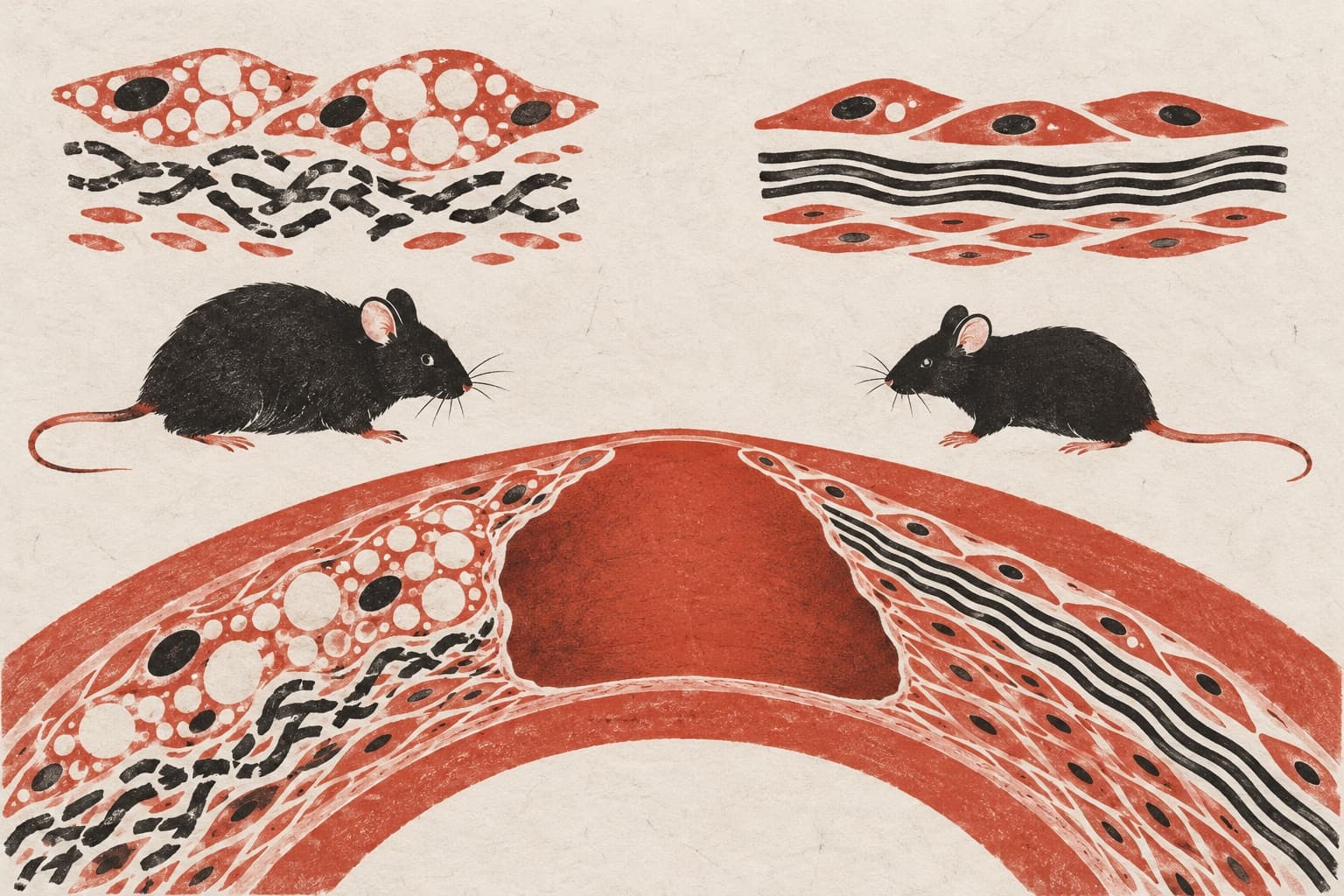
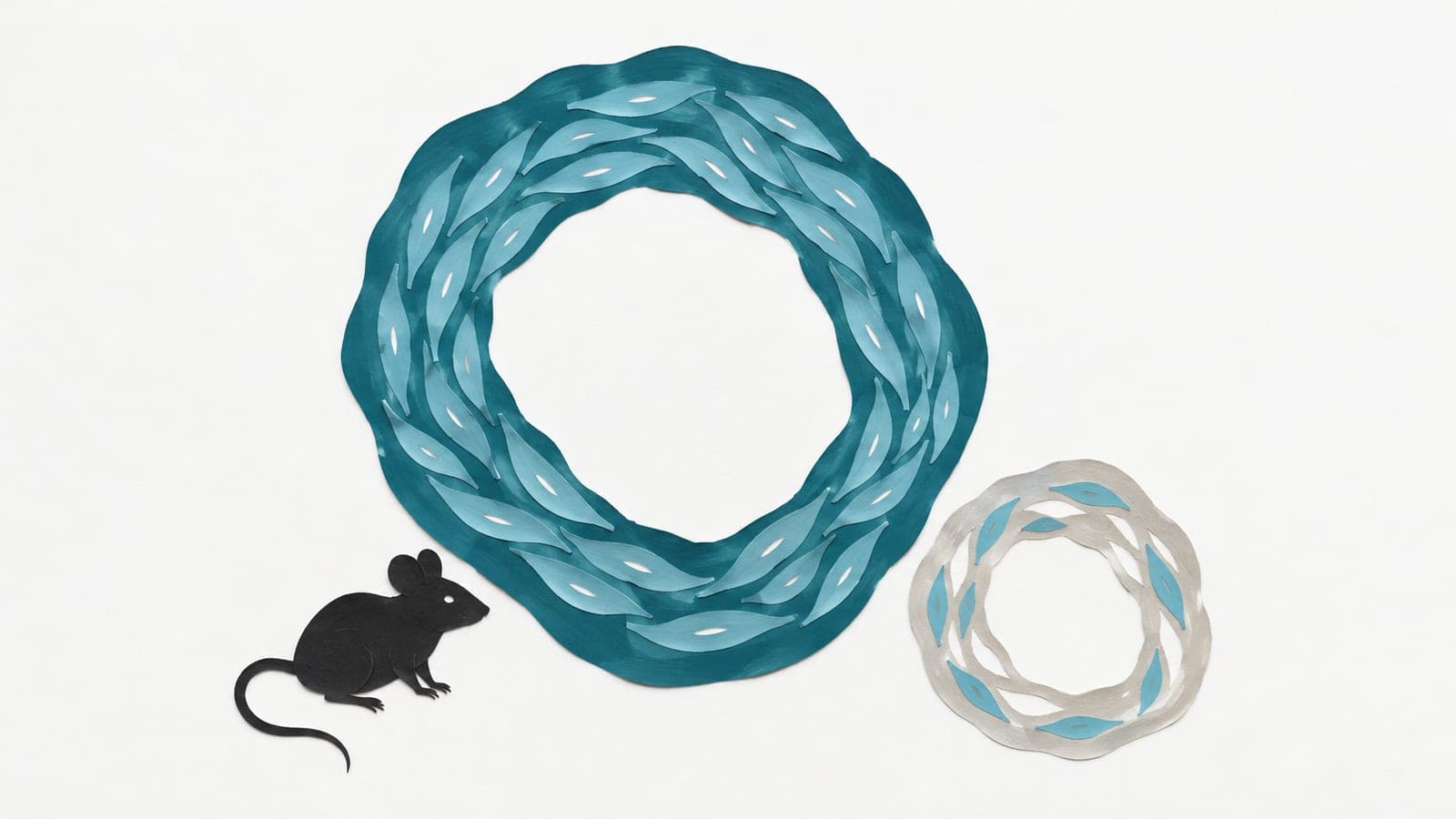
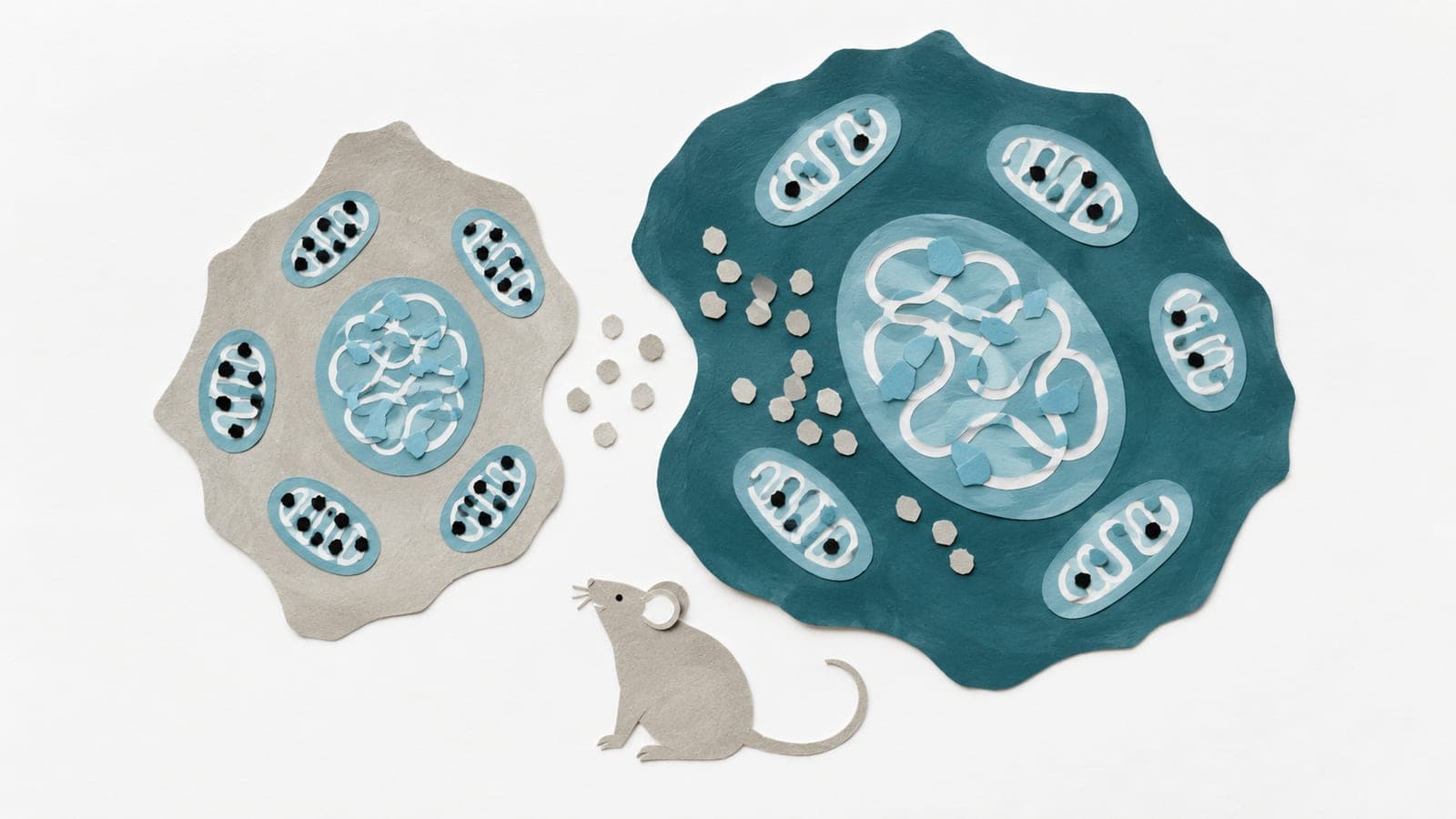
Abstract Centenarians provide valuable insights into the biological mechanisms underlying human longevity and potential gerotherapeutic targets. We previously identified two linked missense variants in SIRT6 that are enriched in Ashkenazi Jewish centenarians. To investigate their functional impact in physiologically relevant cellular contexts, we generated human embryonic stem cells carrying these variants through precise genomic knock-in and differentiated them into somatic lineages. Functional characterization revealed that the centenarian variants endogenously elevated SIRT6 protein levels through weakened interaction with vimentin, and altered SIRT6 enzymatic activities including enhanced mono-ADP-ribosyl transferase activity and reduced deacetylase activity. These variants delayed replicative and progerin-induced cellular senescence, preserving genome stability through maintenance of DNA repair pathways and suppression of transposable element derepression. Moreover, pharmacologically mimicking the centenarian variants using SIRT6 activator Fucoidan-FV partially ameliorated premature aging–associated molecular defects in progeria fibroblasts. Together, our findings demonstrate that rare centenarian variants exert multifaceted effects on SIRT6 and enhance cellular resilience, providing insights for developing geroprotective therapies informed by genetic discoveries in exceptionally long-lived individuals.
The paper
Columbia University Irving Medical Center
bioRxiv, 30 Sep 2025, CC BY-NC, Preprint, not peer-reviewed