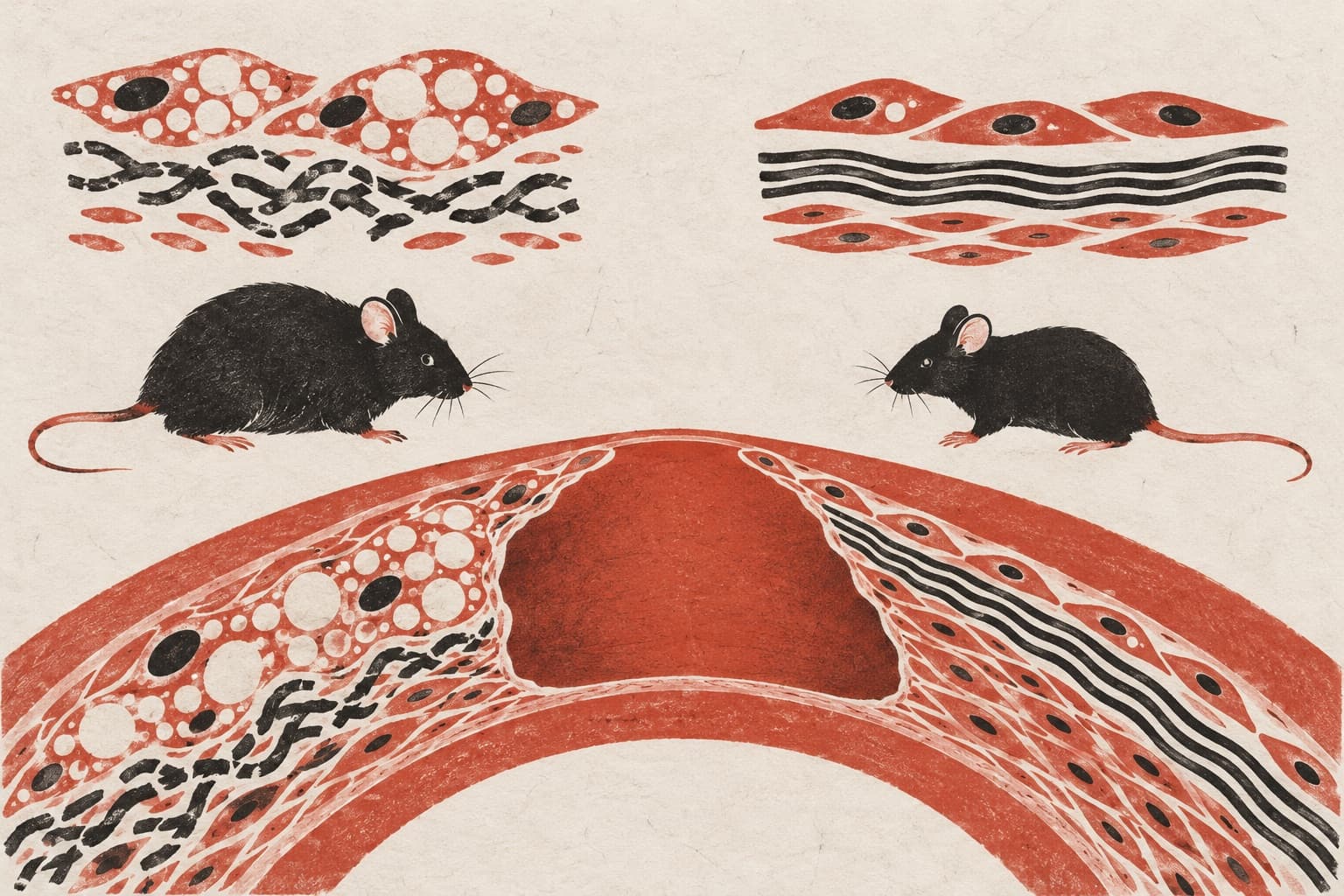
Base editing of the lamin farnesylation motif rescues progeria phenotypes in organoids
Lipid nanoparticle delivery of base-editing mRNA restored DNA repair and heterochromatin structure in human neuromuscular models of premature aging.
Nature Communications
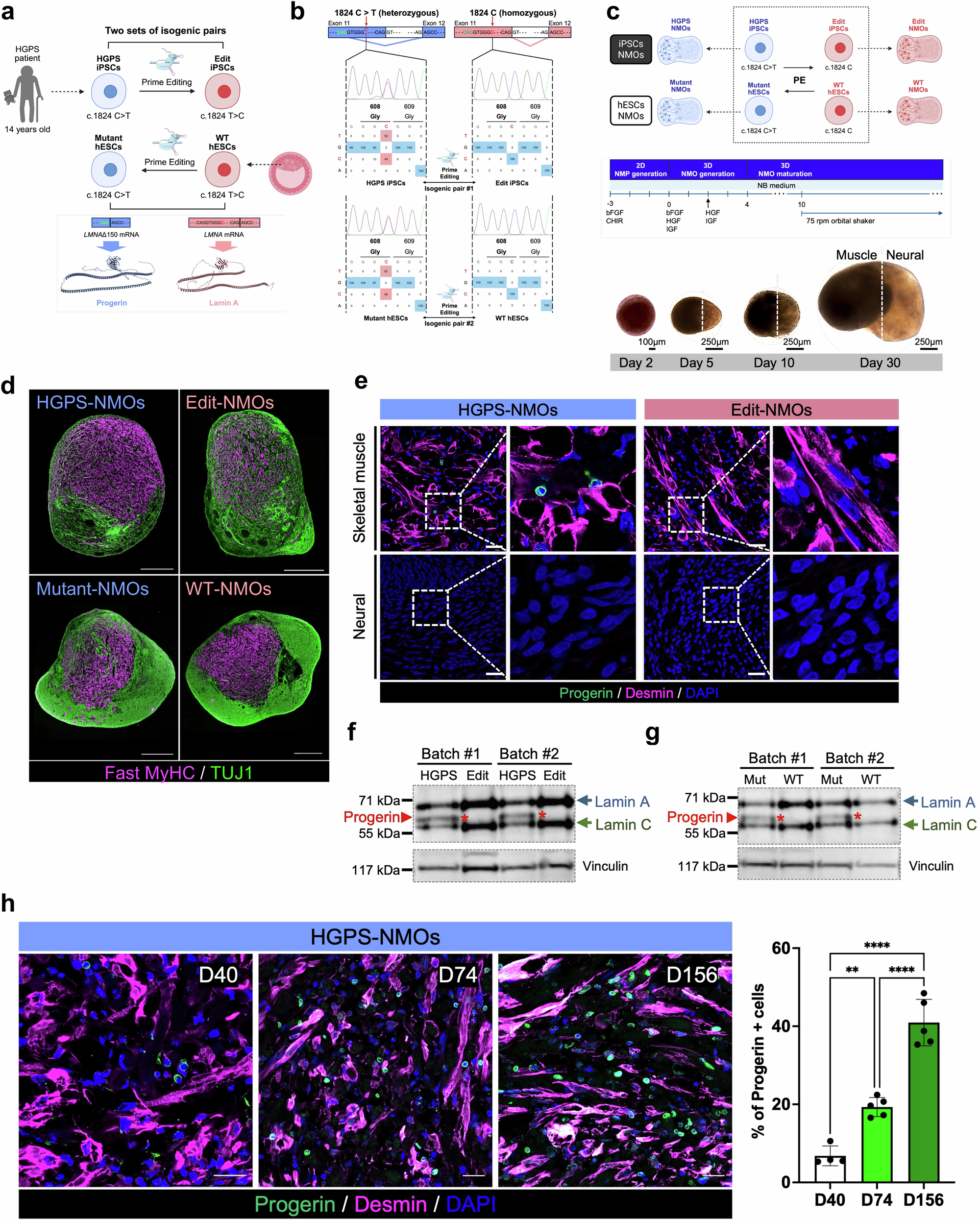
Using isogenic human pluripotent stem cell-derived neuromuscular organoids, researchers evaluated a mutation-agnostic base-editing platform to address Hutchinson-Gilford progeria syndrome. In these human organoid models, progerin accumulated in muscle tissue, which sequestered the DNA repair protein 53BP1 and prevented the formation of DNA damage foci. The team designed a targeted base editor named FATE to selectively disrupt the LMNA farnesylation motif without altering other farnesylated proteins. Delivering FATE mRNA using lipid nanoparticles yielded efficient gene editing in the diseased organoids. The treatment eliminated perinuclear progerin, restored 53BP1 mobility, rebuilt DNA repair foci, and normalized heterochromatin architecture.
Why it matters
Disrupting the lamin farnesylation motif provides a mutation-independent method to fix nuclear damage and DNA repair failure in progeroid disease. This demonstrates that RNA-based in situ genome editing can rescue core cellular dysfunctions linked to accelerated aging.
Caveats
The findings are limited to in vitro human pluripotent stem cell-derived organoids and have not yet been evaluated in living organisms. Furthermore, the abstract does not assess long-term safety, off-target editing, or functional durability in mature physiological systems.
The paper
Seoul National University
Nature Communications · 31 Aug 2026