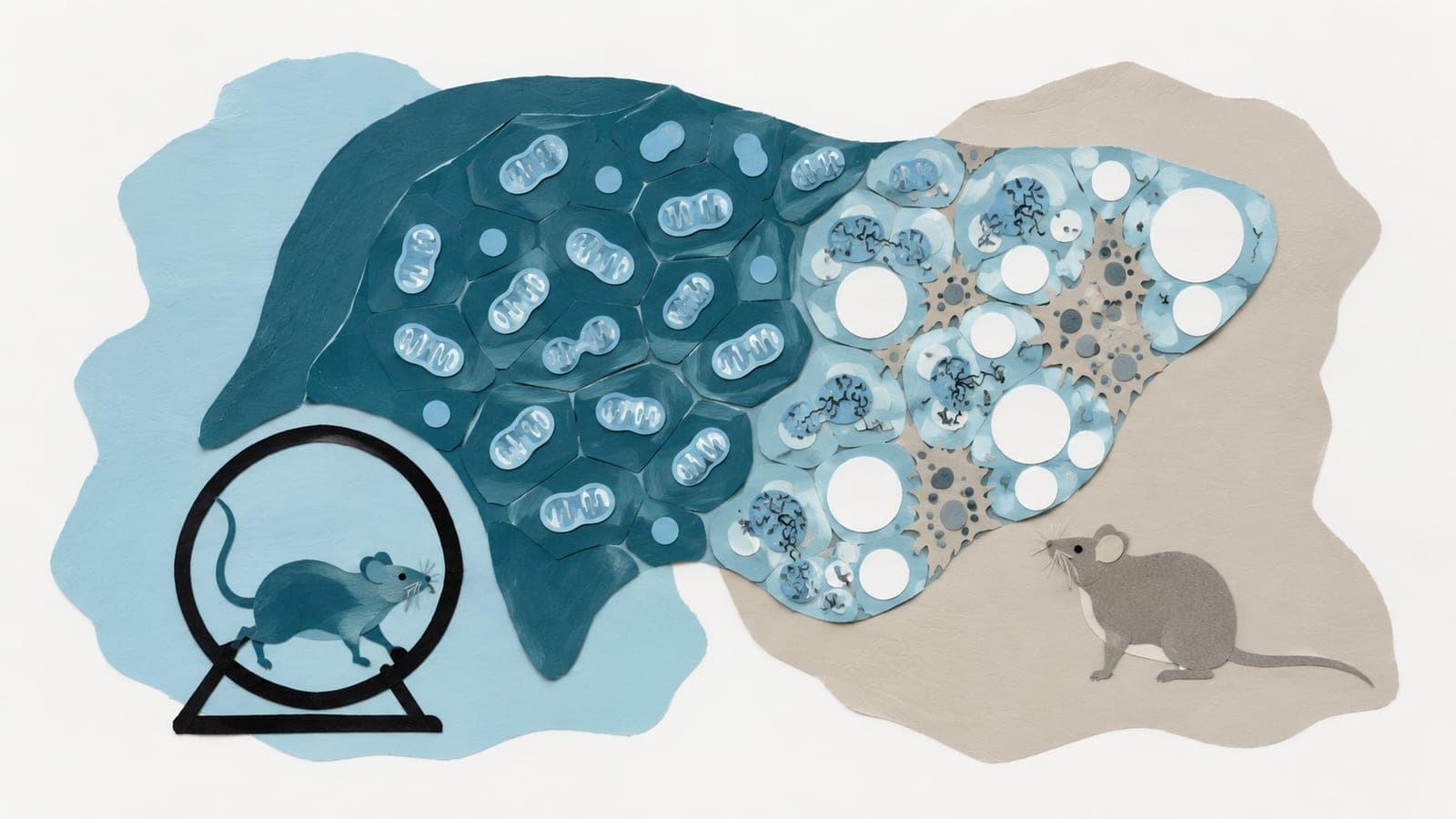
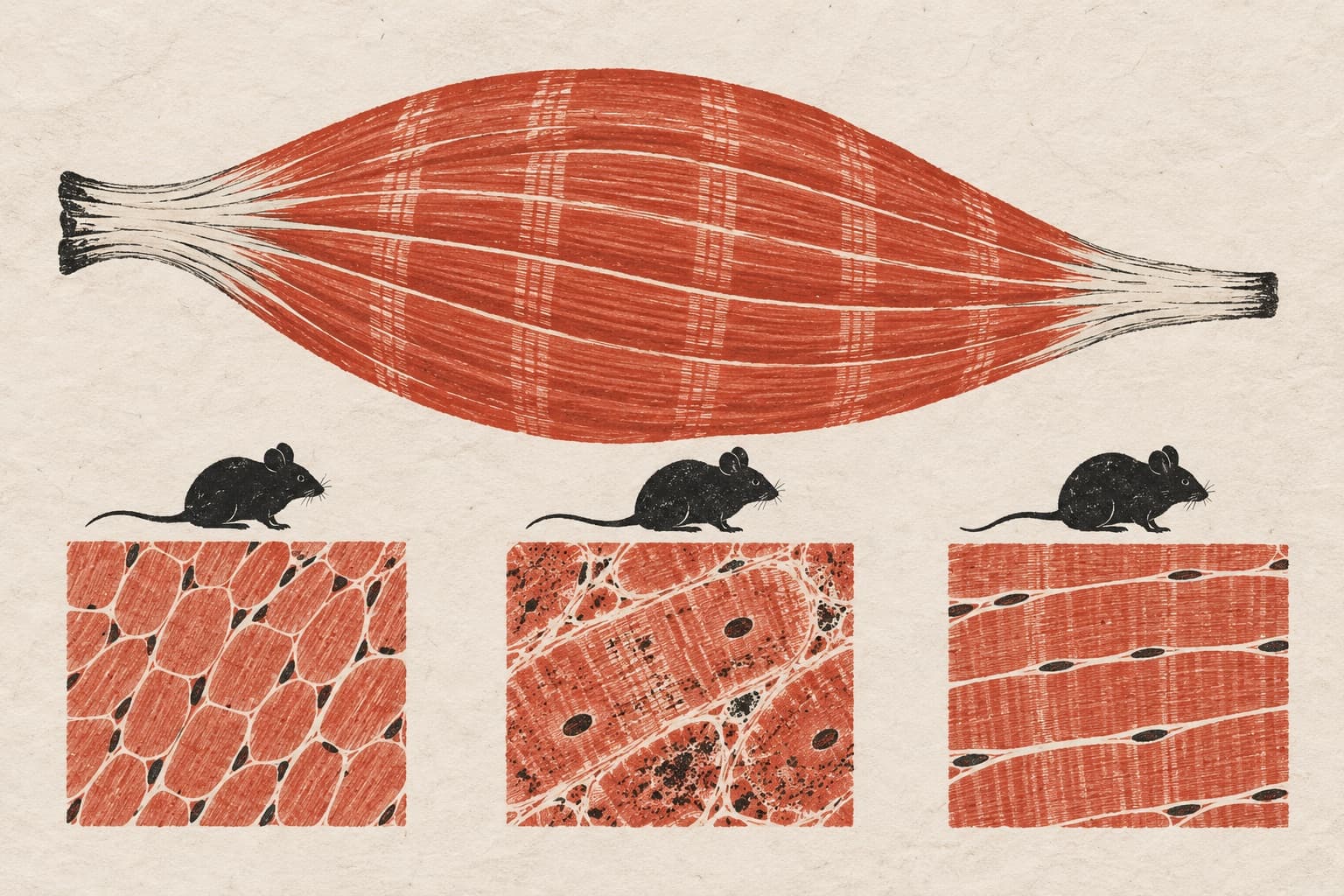
Resistance training prevented liver-linked muscle loss in mice
In a six-week experiment, resistance training improved muscle strength, mass and physical performance in male mice with chronic liver disease.
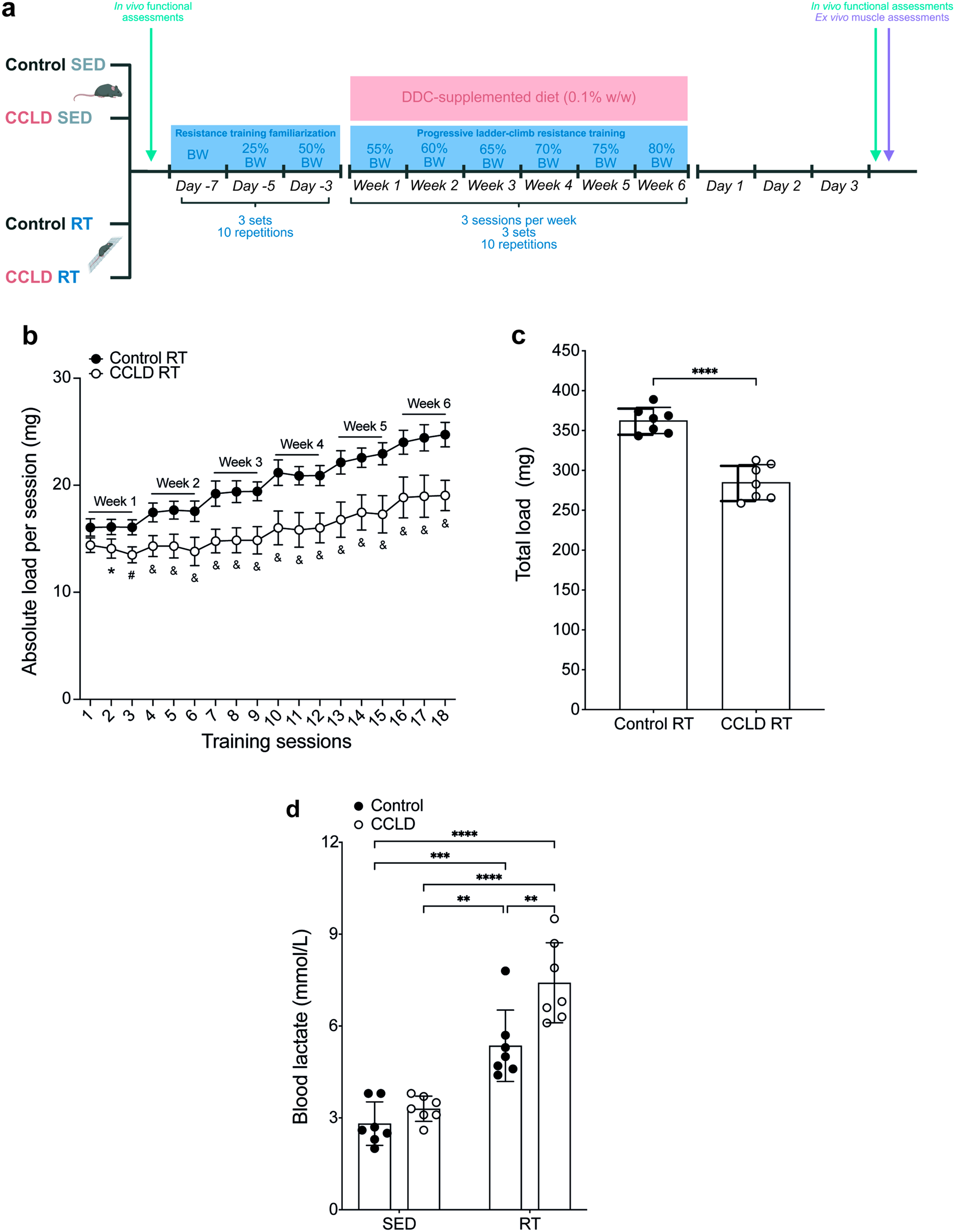
Male C57BL/6J mice received a diet containing a liver-damaging chemical for six weeks in an animal experiment testing resistance training. The diet induced chronic cholestatic liver disease, which involves impaired bile flow, and sarcopenia, a loss of muscle mass and strength. The mice performed resistance training during the same period.
Training improved muscle strength, mass and physical performance in mice with the liver condition. It maintained muscle fibre size and prevented loss of proteins involved in muscle contraction. Training also preserved the density and oxygen consumption of mitochondria, the cell structures that supply usable energy. It prevented increases in markers of autophagy, a process that breaks down material inside cells. The researchers concluded that resistance training offered a promising non-drug approach to protecting muscle in this condition.
Why it matters
Resistance training has shown benefits against age-related muscle loss. This experiment addressed whether those benefits might extend to muscle loss associated with chronic cholestatic liver disease.
Caveats
Training took place while the disease-inducing diet was given, so the experiment tested prevention rather than recovery from established muscle loss. The findings came from male mice, not people.
The paper
University of Talca; Universidad Andrés Bello
Scientific Reports, 13 Oct 2026, Open access, CC BY-NC-ND