Skip to content
AgingResearch.News app

AgingResearch.NewsFree on Google Play

Open app
AgingResearch.News
  • HomeHome
  • SearchSearch
  • AskAsk
  • FollowingFollowing
  • SavedSaved
Join freeSign inSign inSign in
AgingResearch.NewsJoin free
  • Top
  • Latest
  • For you

Latest: In silico · Most significant

Filter

Clear filters

Evidence

  • All
  • Prevention & practice
  • Human trials
  • Human studies
  • Animals
  • Model organisms
  • Cells
  • In silico
  • Reviews

Status

  • All
  • Peer-reviewed
  • Preprints
  • All
  • Most significant
  • All
  • Open access
  • All
  • Prevention & practice
  • Human trials
  • Human studies
  • Animals
  • Model organisms
  • Cells
  • In silico
  • Reviews
  • All
  • Most significant
  • All
  • Open access
Status
  • All
  • Peer-reviewed
  • Preprints
FooterIn your assistantComparePrivacyTermsAboutStandardsContactRSSPricingFollow on X© 2026 AgingResearch.News
Sidebar

    Join AgingResearch.News

    Free: every story, saved papers, follows, the weekly email and 3 questions a day to Ask.

    Continue with email

    By continuing, you agree to our Terms and Privacy Policy.

    News

    See allSee all news
    Engineered gut bacteria increase bile acid deconjugation, improving aged mice’s metabolic healthResearchGEN +5Engineered gut bacteria increase bile acid deconjugation, improving aged mice’s metabolic healthLater-born generations reach old age with better memory and slower declineResearchMedical Xpress +1Later-born generations reach old age with better memory and slower declineCastration at 240 days extends median lifespan 32.9% in male UM-HET3 miceResearchFight Aging! +1Castration at several ages extends male lifespan and reveals age-dependent effects of testicular factors on survival.

    Trials

    See allSee all trials
    Modulation Effects of Baduanjin Exercise on Subjective Cognitive DeclineResults posted Nov 6, 2026, Massachusetts General HospitalPsilocybin Effects on Healthy Aging Biomarkers and Purpose in LifePhase 1Now recruiting Nov 17, 2026, Charles RaisonPhase I Trial of a Single Administration of aKLmRNA-Mediated Protein Replacement TherapyPhase 1Now recruiting Nov 12, 2026, Klothea Bio Inc

    Trending

    See allSee all trending stories
    SLEEPGeneOlder adults had weaker brain fluid flow waves during sleepBilobetinInterventionBilobetin eased infection-driven immune aging in miceMizagliflozinInterventionFirst trial results posted: Effect of Mizagliflozin Repeat Dosing on Adverse Events and Postprandial Glucose…LY3437943InterventionFirst trial results posted: A Study of Retatrutide (LY3437943) on Renal Function in Participants With Overweight or…Royal jellyInterventionRoyal jelly increased stem cell activity in aged miceImmune responseProcessIn the news: 9 stories this week. Immune signal keeps brown fat in a low-heat state in mice, and 1 more story this week

    Topics

    See allSee all topics
    Mechanisms386Interventions830Biomarkers544Populations823AI & data163Industry & policy36SupplementsPeptidesProtocols
    Footer
    • In your assistant
    • Compare
    • Privacy
    • Terms
    • About
    • Standards
    • Contact
    • RSS
    • Follow on X
    • © 2026 AgingResearch.News

    YesterdayMon, Nov 16Monday, November 161 paper

    bioRxiv·Yesterday

    Tumors mix younger- and older-like molecular aging patterns

    An analysis of breast cancer and five other cancers found mixed aging patterns, partly resembling those in normal tissue of the same origin.An analysis of breast cancer and five other cancers found mixed aging patterns, partly resembling those in normal tissue of the same origin.

    Breast tumor tissue mixes dividing cells and fragmented nuclear fibers above smaller, orderly rings of normal breast cells.
    Preprint: computational studyBiomarkers
    Who was studiedTumors from breast and other cancers, against matched normal tissues
    What changedTumors showed younger-like cell multiplication patterns but older-like damage-response and signaling patterns compared with expected tissue aging
    The catchOther tumor features could explain the clock’s survival link rather than aging-related changes
    Paper

    Sat, Nov 141 paper

    Research Square·Nov 14

    Aging gene effects partly match from yeast to human cells

    Two yeast lifespan measures shared regulators 1.7-fold more often than expected, but the direction of their effects agreed only 50% of the time.Two yeast lifespan measures shared regulators 1.7-fold more often than expected, but the direction of their effects agreed only 50% of the time.

    Human cells with sparse and crowded interiors sit beside budding yeast, a curved worm, and a mouse.
    Preprint: computational studyMechanisms
    Who was studiedYeast, nematodes, fruit flies, mice, and human cells
    What changedHuman-cell effects matched lifespan effects for 82% of cleanup/protein-upkeep genes, against 51–54% of cell-division-arrest and inflammatory-secretion genes
    The catchHuman cells were assessed for senescence, while whole organisms were assessed for lifespan
    Paper

    Sun, Oct 251 paper

    Cell Biochemistry and Biophysics·Oct 25

    RNA-Based Biological Age Clocks Track Chronological Age in Skeletal Muscle but Show Limited Discrimination of Sarcopenia

    Figure from Cell Biochemistry and Biophysics
    Computational studySarcopenia
    Paper

    Wed, Oct 211 paper

    Biogerontology·Oct 21

    Environmental variability versus extrinsic mortality as correlates of mammalian lifespan: a pre-specified comparative analysis with phylogenetic and deep-time evidence

    Figure from Biogerontology
    Computational studyMechanisms
    Paper

    Sat, Oct 171 paper

    Research Square·Oct 17

    Lifespan prediction in protostomes from trinucleotide composition

    Preprint: computational studyBiomarkers
    Paper

    Fri, Oct 161 paper

    Journal of Molecular Evolution·Oct 16

    Gene Observability Limits Comparative Genomic Inference of Vertebrate Lifespan Evolution

    Figure from Journal of Molecular Evolution
    Computational studyMechanisms
    Paper

    Tue, Oct 131 paper

    Theoretical Population Biology·Oct 13

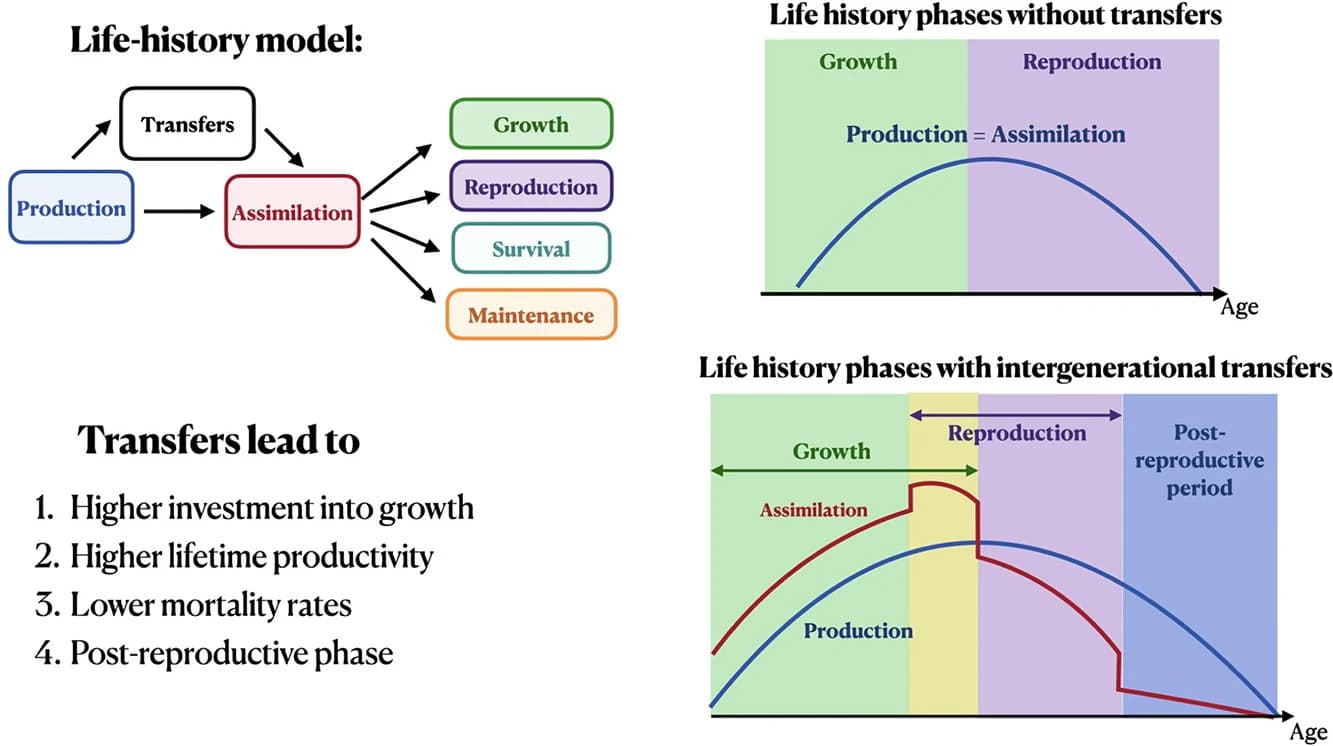
    Life history evolution and uninvadable mortality schedules with and without intergenerational energy transfers

    Figure from Theoretical Population Biology
    Computational studyMechanisms
    Paper

    Sun, Oct 111 paper

    European Heart Journal Digital Health·Oct 11

    Globally trained model predicts age in new heart recordings

    In 14,462 independent recordings, predicted and actual ages had a correlation of 0.90, outperforming another model design and a model trained on a more uniform…In 14,462 independent recordings, predicted and actual ages had a correlation of 0.90, outperforming another model design and a model trained on a more uniform population.

    Figure from European Heart Journal Digital Health
    Computational studyBiomarkers
    Paper

    Thu, Oct 81 paper

    npj Aging·Oct 8

    Gap between predicted and actual age linked to death risk

    In independent test samples, age estimates from Hungarian medical histories were off by an average of 7.78 years compared with actual ages.In independent test samples, age estimates from Hungarian medical histories were off by an average of 7.78 years compared with actual ages.

    Figure from npj Aging
    Computational studyBiomarkers
    Paper

    Thu, Sep 241 paper

    bioRxiv·Sep 24

    Age-Related Remodeling of Cross-Tissue Transcriptional Coordination in the Human Motor System

    Multidimensional heterogeneity of age-related transcriptional changes across tissues of the human motor system.
    Preprint: computational studyMechanisms
    Paper

    Thu, Sep 101 paper

    bioRxiv·Sep 10

    Convergent Amino-Acid Substitutions Link Primate Longevity to Male-Fertility Genes

    Allometrically corrected longevity identifies repeated phenotypic extremes across the primate phylogeny.
    Preprint: computational studyReproductive system
    Paper

    Fri, Sep 42 papers

    Journal of Evolutionary Biology·Sep 4

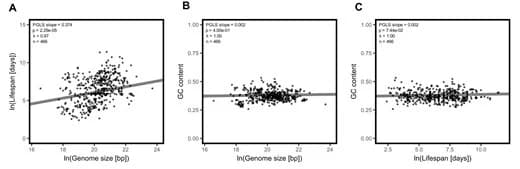
    Di-, tri-, and tetranucleotide frequencies covary with lifespan and genome size across protostome invertebrates

    Figure from Journal of Evolutionary Biology
    Computational studyMechanisms
    Paper
    Aging Cell·Sep 4

    Tissue-Level Transcriptomic Entropy Reveals Organ-Specific Aging Patterns and Predicts Cancer Progression

    Transcriptomic entropy during human aging.
    Computational studyCancer
    Paper

    Thu, Sep 31 paper

    Biogerontology·Sep 3

    Global evidence for bounded human lifespan growth

    Figure from Biogerontology
    Computational studyPopulations
    Paper

    Tue, Aug 251 paper

    bioRxiv·Aug 25

    An Epigenetic Signature of Vulnerable Neurons is Under Selective Pressure Associated with Longevity Across Placental Mammals

    Hierarchical Adaptation and Divergence.
    Preprint: computational studyMechanisms
    Paper

    Wed, Aug 121 paper

    Annals of Operations Research·Aug 12

    Longer healthy life, but for how many? A stochastic analysis of healthy lifespan inequality

    Estimated HALE from authors’ calculation minus HALE reported by Global Burden of Disease (GBD)
    Computational studyPopulations
    Paper

    Fri, Aug 71 paper

    arXiv·Aug 7

    Evidence on Slowing Progress in Longevity – Is it Misleading?

    Preprint: computational studyPopulations
    Paper

    Mon, Aug 31 paper

    arXiv·Aug 3

    Self-supervised DXA representations encode multi-system disease risk, biological aging and heritability

    Preprint: computational studyAI & data
    Paper

    Sat, Aug 11 paper

    Functional & Integrative Genomics·Aug 1

    Cross-species functional transcriptomic analysis distinguishes conserved aging-niche remodeling from inflammatory fibroblast heterogeneity in cardiac aging and heart failure

    Computational studyExtracellular matrix remodeling
    Paper

    Thu, Jul 302 papers

    International Journal of Epidemiology·Jul 30

    Medical claims model estimates healthy life years in Japan

    Municipal estimates ranged from 67.3 to 75.2 years for males and 71.3 to 77.6 years for females in Kyoto Prefecture.Municipal estimates ranged from 67.3 to 75.2 years for males and 71.3 to 77.6 years for females in Kyoto Prefecture. Outpatient claims for members of two public insurance programs in Kyoto Prefecture, Japan, were analyzed in a…

    Cross-sectional · 739,236 peoplePopulations
    Who was studied739,236 insured residents of Kyoto Prefecture
    What changedEstimated years without activity limitations varied across municipalities: 67.3 to 75.2 years for males and 71.3 to 77.6 years for females
    The catchInaccurate diagnoses in medical claims can distort estimates of activity limitations
    Paper
    Archives of Gerontology and Geriatrics·Jul 30

    Survival gains and healthy life expectancy across 185 countries: A global ageing surveillance study, 2000-2021

    Computational studyPopulations
    Paper

    Mon, Jul 271 paper

    Genome Biology·Jul 27

    Human blood cell model outperforms 35 age-assessment methods

    Trained on data from 1,284 donors, the computational framework predicted age more accurately than comparison methods in tests that included independent datasets.Trained on data from 1,284 donors, the computational framework predicted age more accurately than comparison methods in tests that included independent datasets.

    Computational studyBiomarkers
    Who was studiedClinically healthy blood donors, against 35 comparison methods
    What changedThe model predicted donors’ ages more accurately than 35 comparison methods
    The catchBenchmarks measured chronological age, not clinical immune function
    Paper

    Wed, Jul 221 paper

    The Lancet Public Health·Jul 22

    Global, regional, and national trends in the morbidity gap and contributing diseases, injuries, and risk factors, 1990-2023: a systematic analysis for the Global Burden of Disease Study 2023

    Computational studyPopulations
    Paper

    Sat, Jul 181 paper

    The Journal of Neuroscience·Jul 18

    Atlas of Brain Aging Derived from Cortical Surface Area Changes

    Computational studyAI & data
    Paper

    Sun, Jul 121 paper

    Zenodo·Jul 12

    The Jensen Gaps of Directional Diffusion: Model-Free Microstructural White Matter Markers of Aging

    Preprint: computational studyBiomarkers
    Paper

    Fri, Jul 101 paper

    Aging Cell·Jul 10

    Transcriptomic Evidence of Mitochondrial Double-Stranded RNA Accumulation in Brain Aging and Alzheimer's Disease

    Computational studyMitochondrion
    Paper

    Tue, Jun 301 paper

    Trends in Biosciences Research·Jun 30

    IMMUNE RESPONSE VARIABILITY FOLLOWING VACCINATION IN DIFFERENT AGE GROUPS

    Computational studyImmune response
    Paper

    Sat, Jun 271 paper

    Nature Aging·Jun 27

    Human tissues share some age-linked patterns in DNA tags

    A computational meta-analysis of more than 15,000 human methylation profiles across 17 tissues found both common and tissue-specific associations with age.A computational meta-analysis of more than 15,000 human methylation profiles across 17 tissues found both common and tissue-specific associations with age.

    Meta-analysisMechanisms
    Who was studiedHuman tissue samples
    What changedAge was linked to shared DNA-tag patterns at 37 DNA sites in at least 13 tissues
    The catchDifferences in study age ranges affected how many age-linked DNA sites were detected
    Paper

    Fri, Jun 261 paper

    npj Aging·Jun 26

    Somatic mutations impose an entropic upper bound on human lifespan

    Computational studyMechanisms
    Paper

    Sat, Jun 201 paper

    bioRxiv·Jun 20

    Evolution of Menopause and the Mama’s Boy Hypothesis

    Preprint: computational studyMechanisms
    Paper

    Fri, Jun 191 paper

    bioRxiv·Jun 19

    Caste-specific ageing emerges from the evolution of resource allocation in eusocial insects

    Preprint: computational studyMechanisms
    Paper

    Mon, Jun 151 paper

    Aging and Disease·Jun 15

    Integrating AI and Causal Genetics to Prioritize Therapeutic Targets for Aging and Age-Related Diseases

    Computational studyMechanisms
    Paper

    Wed, Jun 101 paper

    Nature Aging·Jun 10

    Model identifies two patterns of aging across species

    Fitted damage-production rates spanned seven orders of magnitude and best predicted lifespan differences across species.Fitted damage-production rates spanned seven orders of magnitude and best predicted lifespan differences across species. Researchers fitted a computational model of damage buildup and removal to survival data from Escherichia coli…

    Computational studyMechanisms
    Who was studiedSpecies with survival data
    What changedModeled damage production outpaced removal in yeast, worms, most flies, and mice but roughly balanced removal in humans and other mammals
    The catchDamage production and removal rates were inferred from survival data, not measured directly
    Paper

    Fri, Jun 51 paper

    Molecular Ecology·Jun 5

    Unravelling Extended Longevity Mechanism in Bats: Insights From Life-History Traits and Comparative Genomics

    Computational studyMechanisms
    Paper

    Thu, Jun 41 paper

    bioRxiv·Jun 4

    The aging genome exhibits organized vulnerability to somatic mutations

    Preprint: computational studyMechanisms
    Paper

    Wed, Jun 31 paper

    Proceedings of the Royal Society B·Jun 3

    Phylogenetic reconstruction of ancestral ageing rates in the primate lineage

    Computational studyMechanisms
    Paper

    Tue, Jun 21 paper

    bioRxiv·Jun 2

    Efficient ageing: Simulated lesion of the structural connectome reveals optimised decline in the healthy ageing brain

    Preprint: computational studyMechanisms
    Paper

    Sun, May 311 paper

    Briefings in Bioinformatics·May 31

    StackAge: an ensemble-based clock for precise quantification of biological age using multi-omics data

    Computational studyBiomarkers
    Paper

    Thu, May 281 paper

    Nature·May 28

    Universal transcriptomic hallmarks of mammalian ageing and mortality

    Computational studyBiomarkers
    Paper

    Wed, May 27

    Nature Communications·May 27

    Model proposes why sexes can evolve different lifespans

    Under monogamy, a mathematical model produced longer male lifespans across a wider range of reproductive costs than longer female lifespans.Under monogamy, a mathematical model produced longer male lifespans across a wider range of reproductive costs than longer female lifespans.

    Computational studyMechanisms
    Who was studiedModeled males, females and monogamous pairs, against modeled females
    What changedLonger male lifespans evolved across a wider range of reproductive costs than longer female lifespans
    The catchAssumed male mating costs and female offspring-production costs could reverse in other systems
    Paper