Gap between predicted and actual age linked to death risk
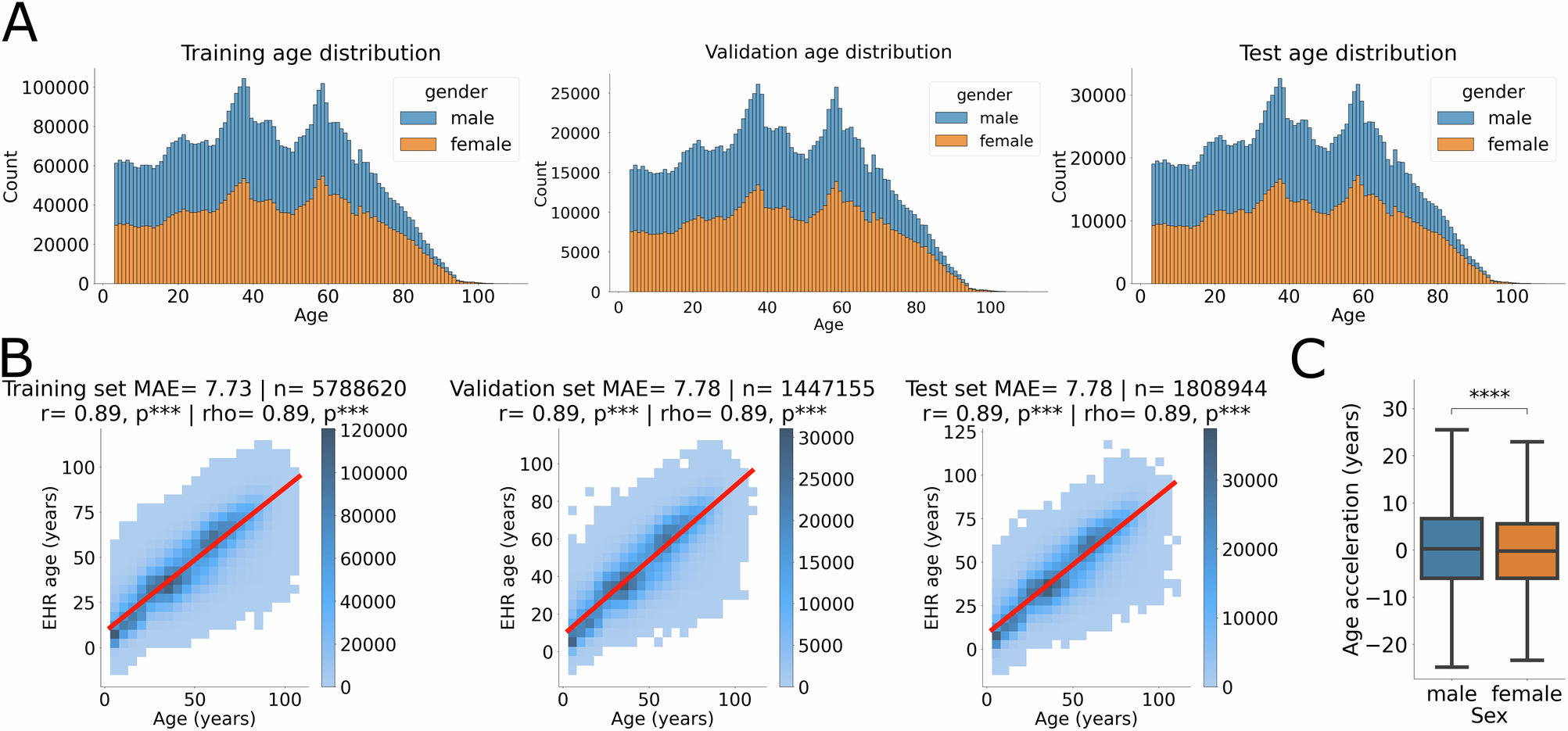
In independent test samples, age estimates from Hungarian medical histories were off by an average of 7.78 years compared with actual ages.
npj Aging
In a computational study, researchers analysed diagnosis records covering the whole Hungarian population, approximately 9.5 million people, between 2010 and 2021. They trained machine-learning algorithms to predict people’s actual age from diagnoses recorded over the previous three years. The final model, called EHR-AGE, predicted age in independent test samples with an average absolute error of 7.78 years.
The model’s age acceleration—the gap between predicted and actual age—was associated with death from any cause. The researchers suggested that medical-history-based age prediction could complement other measures of biological age, which assess how far aging has progressed, and could become useful in clinical practice.
Why it matters
Medical histories are often readily available, while data for many biological age measures can be costly or time-consuming to obtain. The study addressed whether these records could provide another way to assess aging in clinical practice.
Caveats
This computational study reported an association with mortality, not a cause-and-effect result. The model was trained to predict actual age using records from Hungary.
The paper
EHR-AGE: measuring biological age based on medical history data
Budapest University of Technology and Economics · HUN-REN Institute for Computer Science and Control
npj Aging · 28 Sep 2026 · CC BY