DNA repair

Papers on DNA repair

2,150 papers42 new in 30 days

Tuesday, November 17

Aging Cell

Restoring protein activity reduced DNA damage in aged human cells

After 72 hours, lab-grown human skin cells with increased activity of a gene-regulating protein showed more DNA repair gene activity and partly restored DNA-packaging…After 72 hours, lab-grown human skin cells with increased activity of a gene-regulating protein showed more DNA repair gene activity and partly restored DNA-packaging marks.
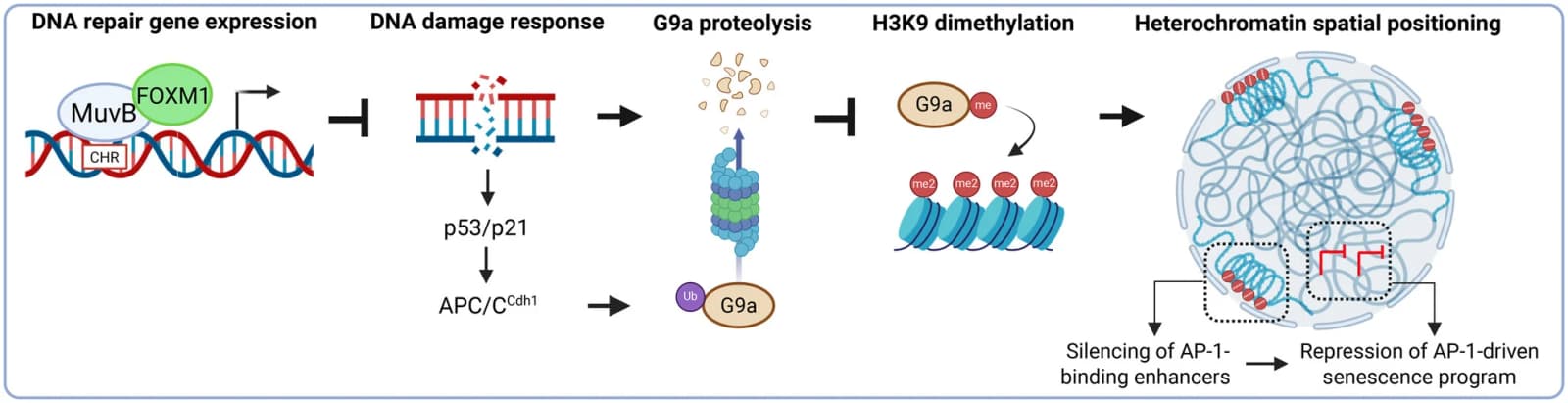
Figure from Aging Cell
Human cell studyInterventions

Monday, November 16

bioRxiv

Human egg-supporting cells show marked gene activity shifts with age

An observational map of human ovaries linked the menopausal transition to reduced DNA-repair activity and increased stress-response gene activity in cells that support…An observational map of human ovaries linked the menopausal transition to reduced DNA-repair activity and increased stress-response gene activity in cells that support eggs.

Ovarian egg-supporting cells surround an egg, with compact dark blue-green cells beside enlarged gray cells containing fragments and nearby droplets.
Preprint: cross-sectional studyMechanisms

Saturday, November 14

Friday, November 13

bioRxiv

DNA repair gene variant linked to a mutation pattern in one person

One of three carriers of a DNA repair gene variant ranked highest among 25 donors for a damage-linked mutation pattern in normal tissues.One of three carriers of a DNA repair gene variant ranked highest among 25 donors for a damage-linked mutation pattern in normal tissues.

Human tissue cells have densely marked nuclei in dark blue-green fragments, beside gray and pale blue fragments with sparse marks.
Preprint: cross-sectional · 25 peopleDNA repair

Thursday, November 12

Tuesday, November 10

Research Square

Uneven organ aging linked to higher death risk in UK cohort

Higher imbalance was linked to greater mortality risk, with a relative-risk measure called a hazard ratio of 1.11 per standard-deviation increase.Higher imbalance was linked to greater mortality risk, with a relative-risk measure called a hazard ratio of 1.11 per standard-deviation increase.

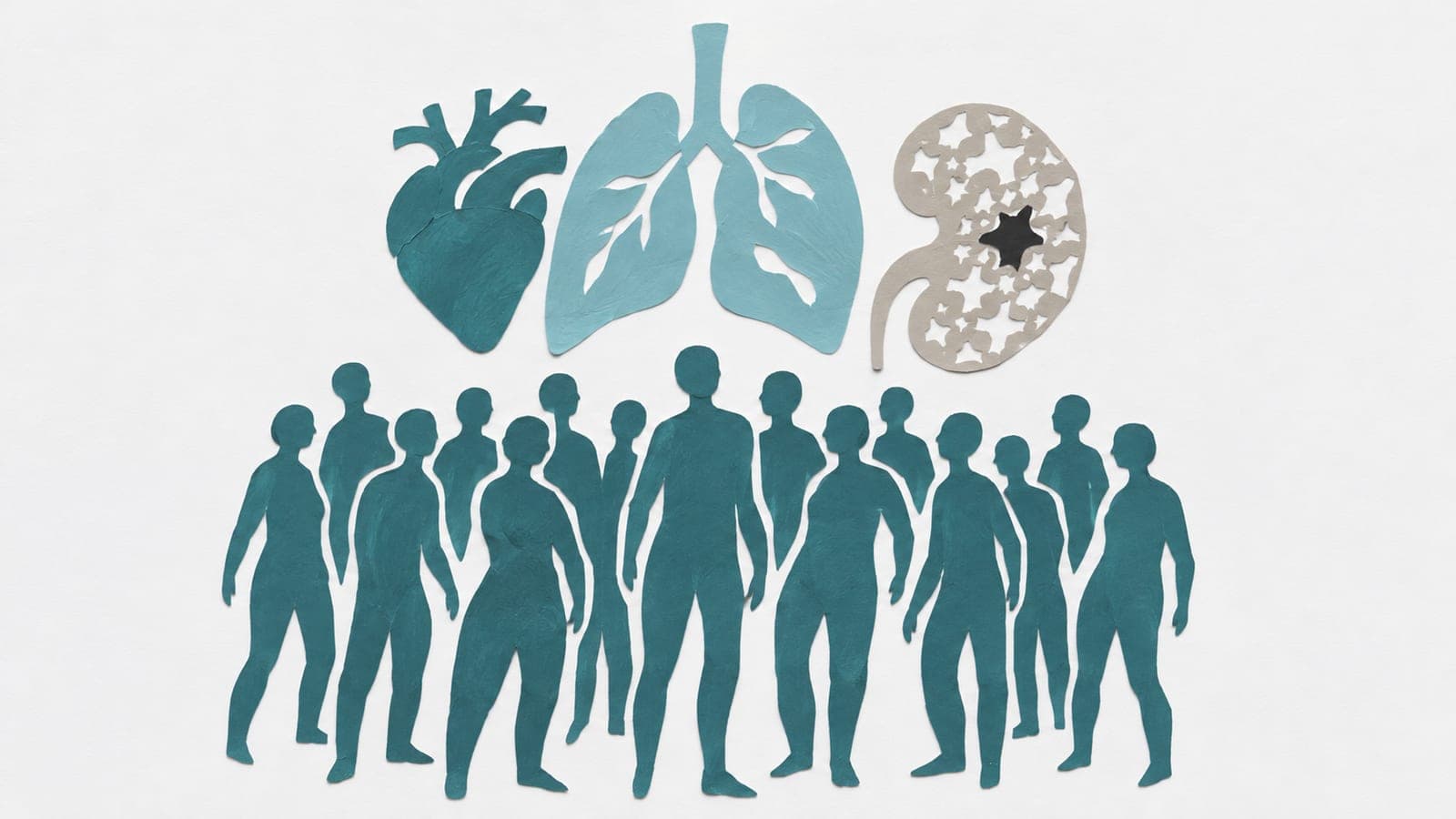
A group of upright, faceless people stands beneath a whole heart, lungs with scattered gaps, and a gray kidney riddled with holes.
Preprint: cohort · 221,599 peopleBiomarkers

Monday, November 9

Saturday, November 7

Thursday, November 5

Wednesday, November 4

Tuesday, November 3

iScience

Calcium channel links radiation to salivary gland problems in mice

Mice lacking the channel resisted early salivary gland dysfunction after irradiation; the authors linked its effects to cells entering a nondividing state.Mice lacking the channel resisted early salivary gland dysfunction after irradiation; the authors linked its effects to cells entering a nondividing state.

Figure from iScience
Mouse studyMechanisms

Monday, November 2

Sunday, November 1

Nature Communications

Compound extends lifespan in mice with premature aging

In an animal experiment, a compound that activated a DNA repair protein eased aging-related features in mice with a premature-aging disorder.In an animal experiment, a compound that activated a DNA repair protein eased aging-related features in mice with a premature-aging disorder.

Figure from Nature Communications
Mouse studyInterventions

Friday, October 30

Cardiovascular Research

Two compounds improve heart relaxation in aged male mice

Two months of treatment also reduced markers of cell senescence, a state in which cells stop dividing, in aged male mice.Two months of treatment also reduced markers of cell senescence, a state in which cells stop dividing, in aged male mice.

NAD⁺ imbalance accompanies increased cardiac senescence in aged hearts.
Mouse studyInterventions
bioRxiv

DNA copy differences tied to lifespan in seed beetles

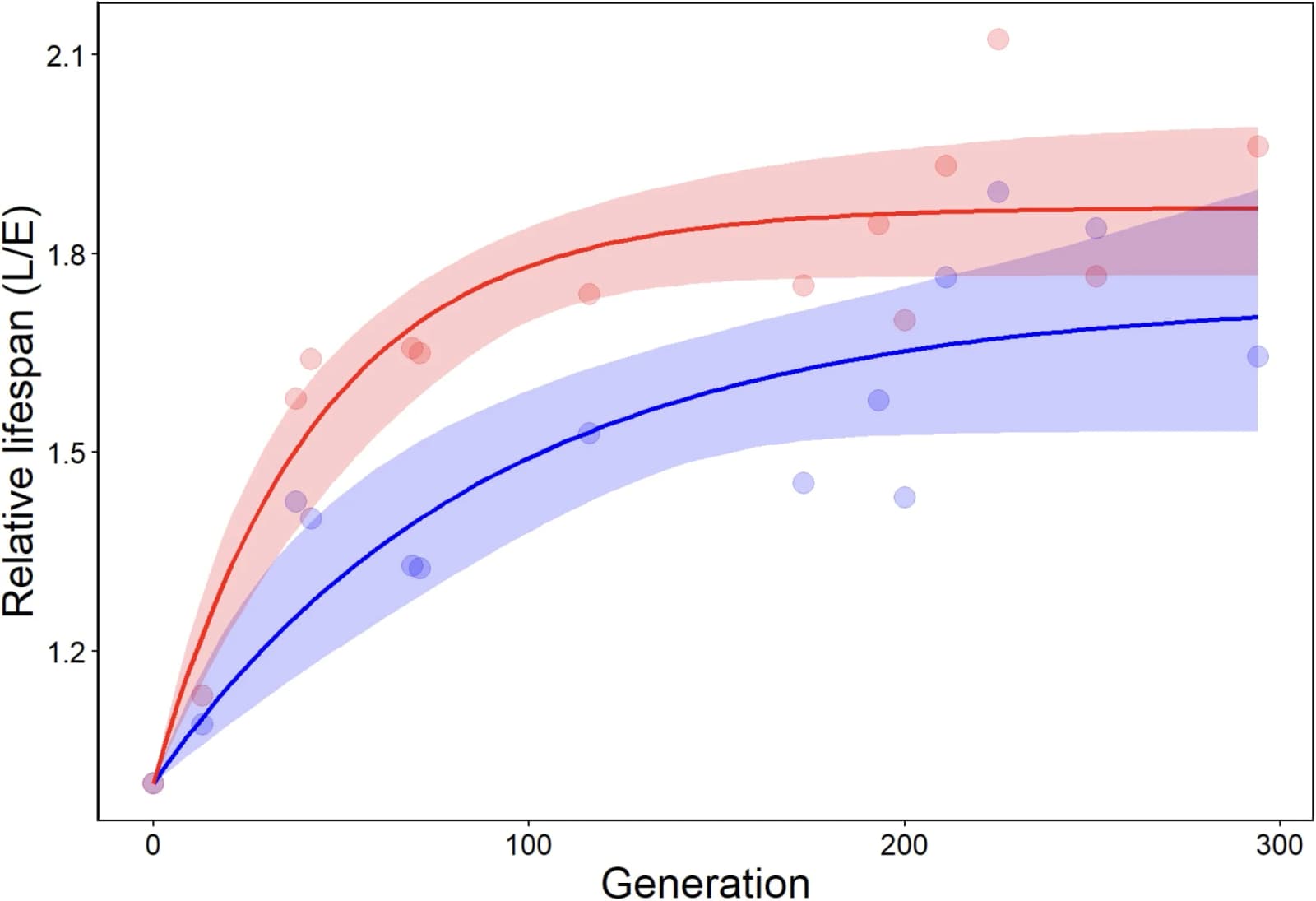
After more than 200 generations, populations selected for long life showed a near doubling of lifespan compared with those selected for short life.After more than 200 generations, populations selected for long life showed a near doubling of lifespan compared with those selected for short life.

Mean divergence in lifespan between L and E lines in females (red) and males (blue) over the course of experimental evolution.
Preprint: genetic association studyMechanisms