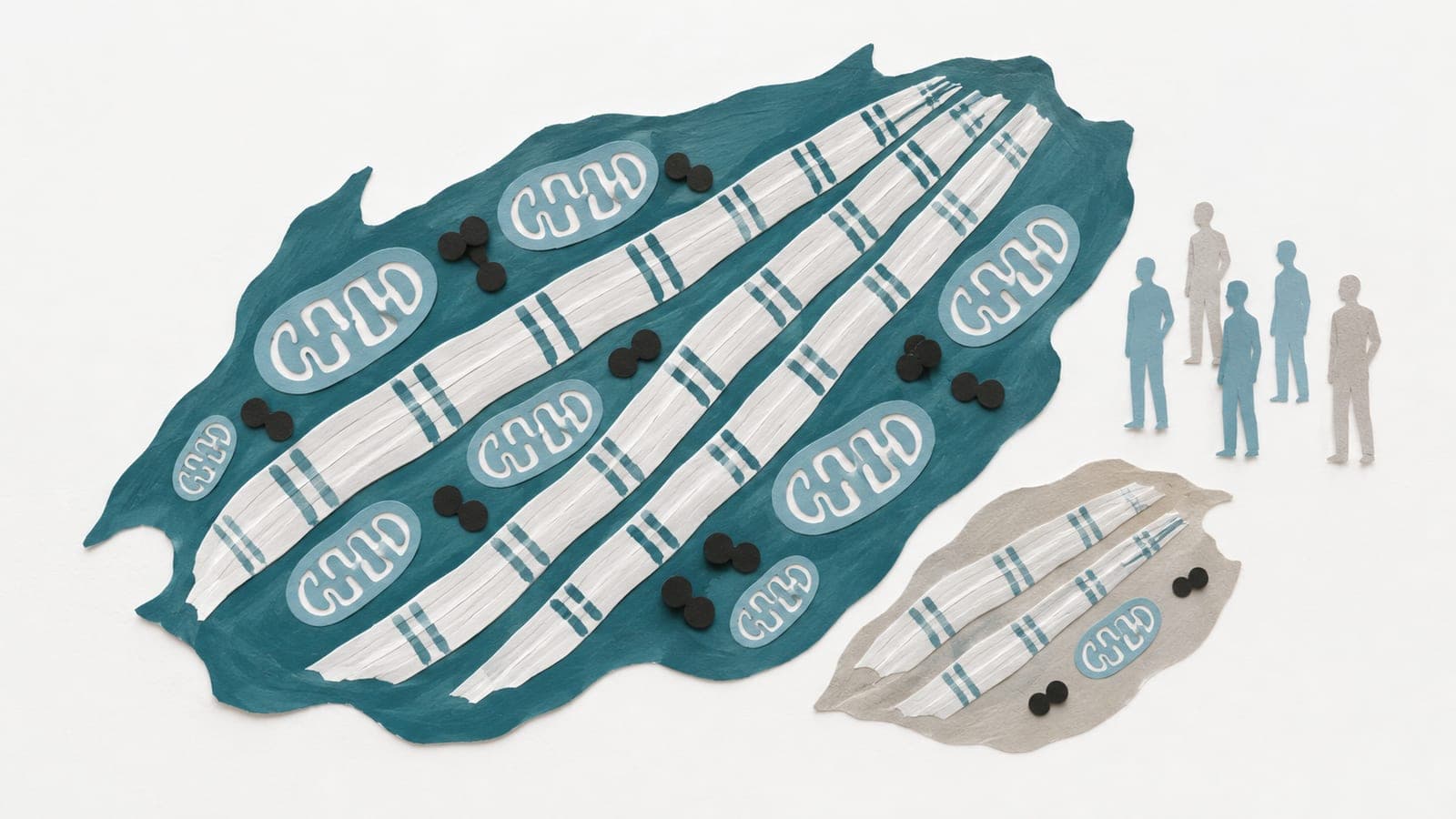
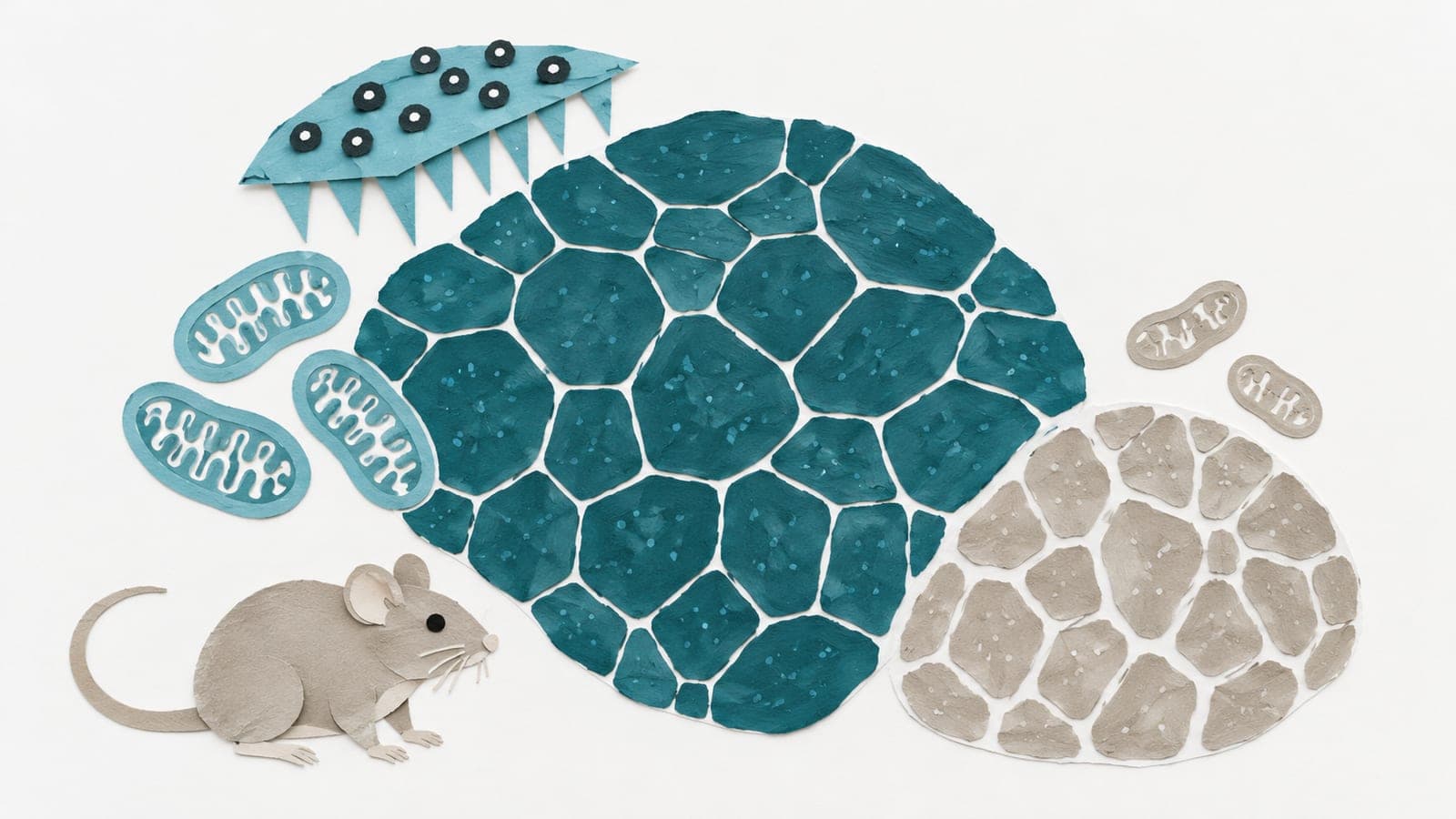
Spermidine gel slowed osteoarthritis progression in mice
A slow-release spermidine gel reduced disease progression in mice with surgically induced osteoarthritis, while shifting immune cells toward a beneficial state.
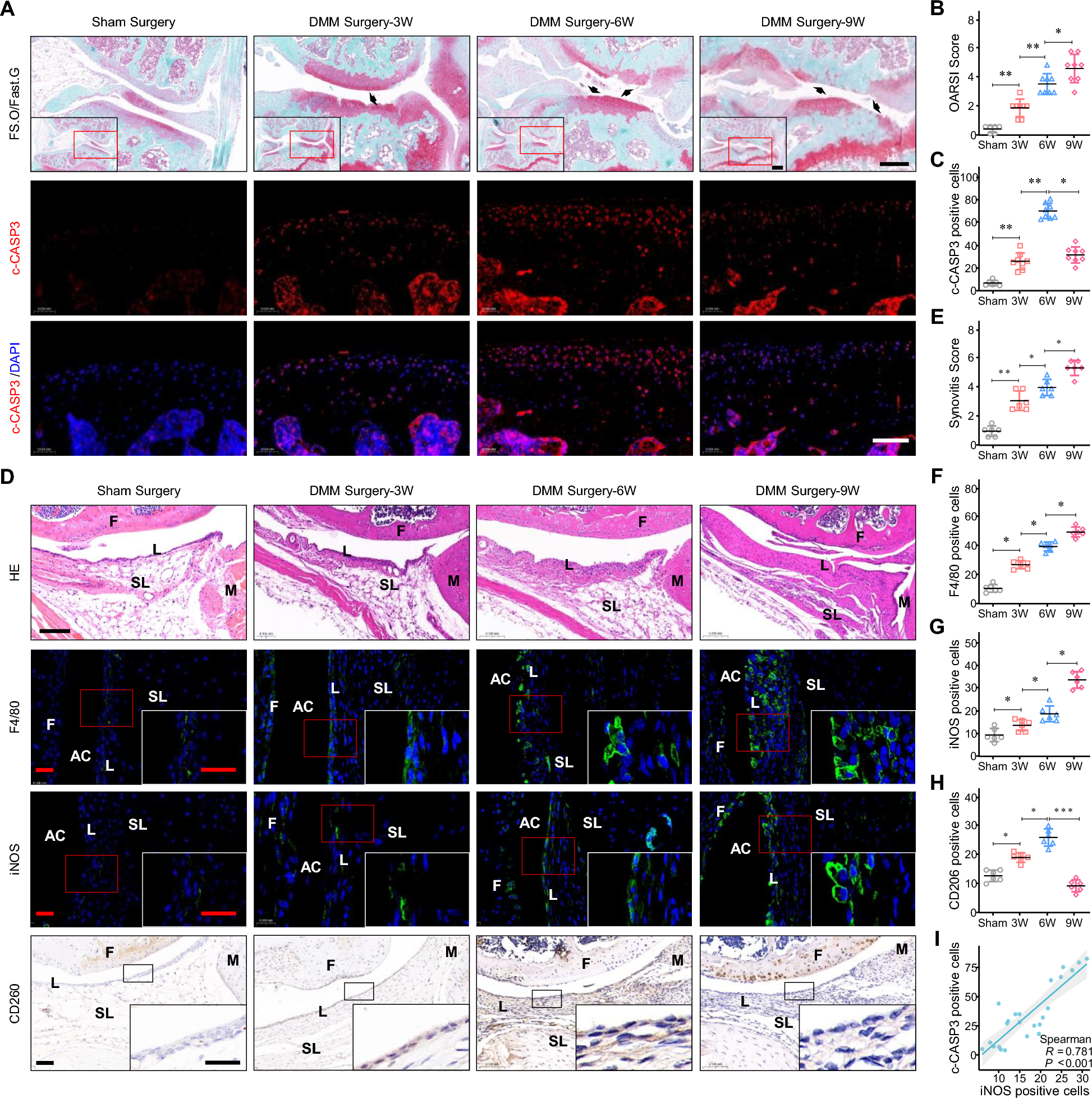
Limit: Pain relief and joint function were not reported for the gel-treated mice
Edited by Boris Djordjevic · AgingResearch.News
In mice with surgically induced osteoarthritis, researchers tested a slow-release gel containing spermidine in an animal experiment. The gel alleviated disease progression and promoted a beneficial state in macrophages, a type of immune cell. The researchers used experiments in cells and genetically altered mice to investigate the underlying mechanism.
In cartilage cells grown in the lab, apoptosis, a form of programmed cell death, increased spermidine release. In experiments with macrophages, spermidine acted as a signal. It improved the function of mitochondria, the cells’ energy-producing structures, and promoted the beneficial macrophage state.
Why it matters
Osteoarthritis is an age-related joint disease. The authors suggest that sustaining spermidine levels may offer a therapeutic approach by influencing communication between cartilage cells and immune cells.
Caveats
The intervention evidence came from a surgically induced mouse model, not a human treatment trial. It does not establish that spermidine benefits people with osteoarthritis.
The paper
Tongji University; Second Military Medical University
Journal of Nanobiotechnology, Jul 27, 2026, Open access