Scaffold and metformin sped new bone formation in aged mice
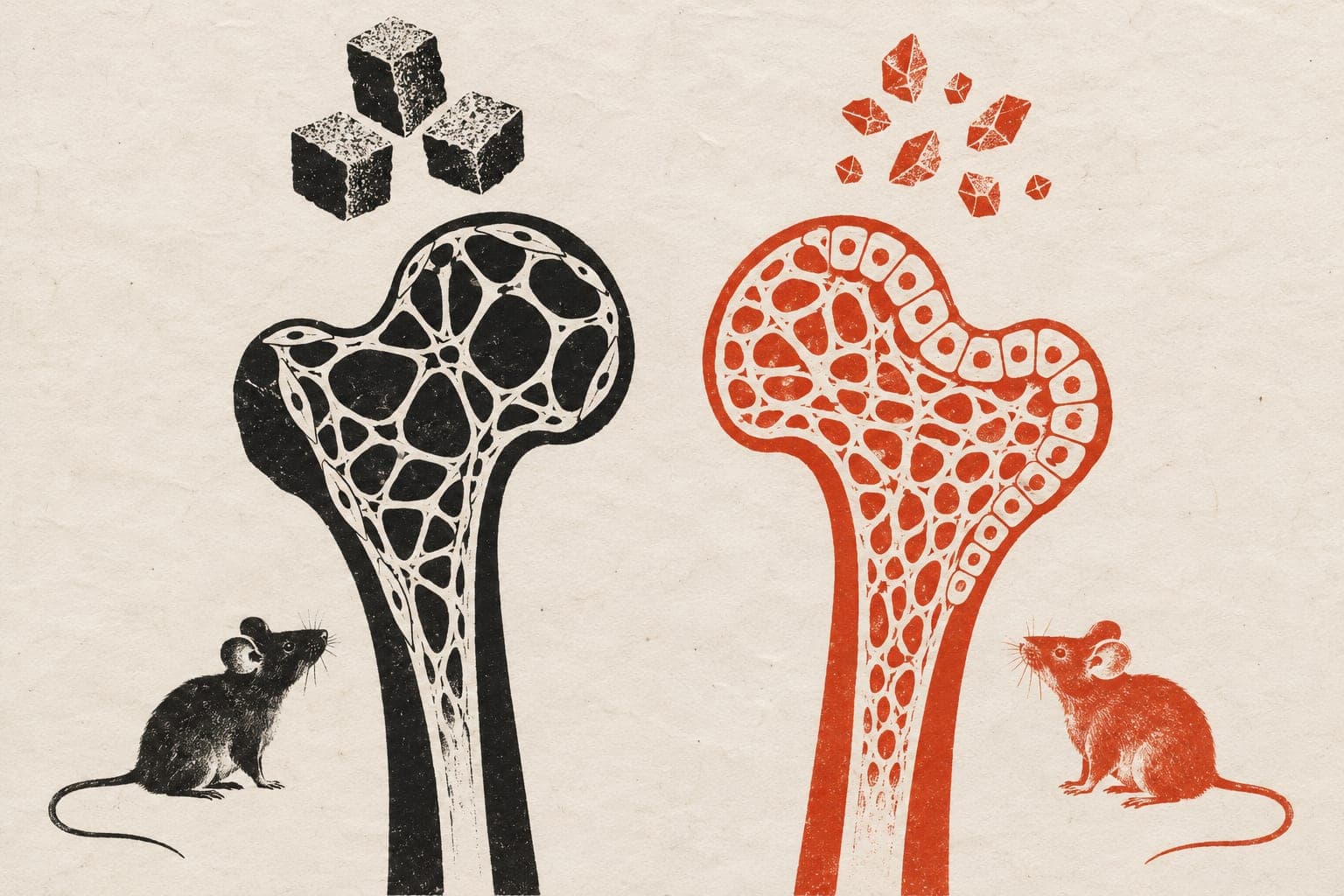
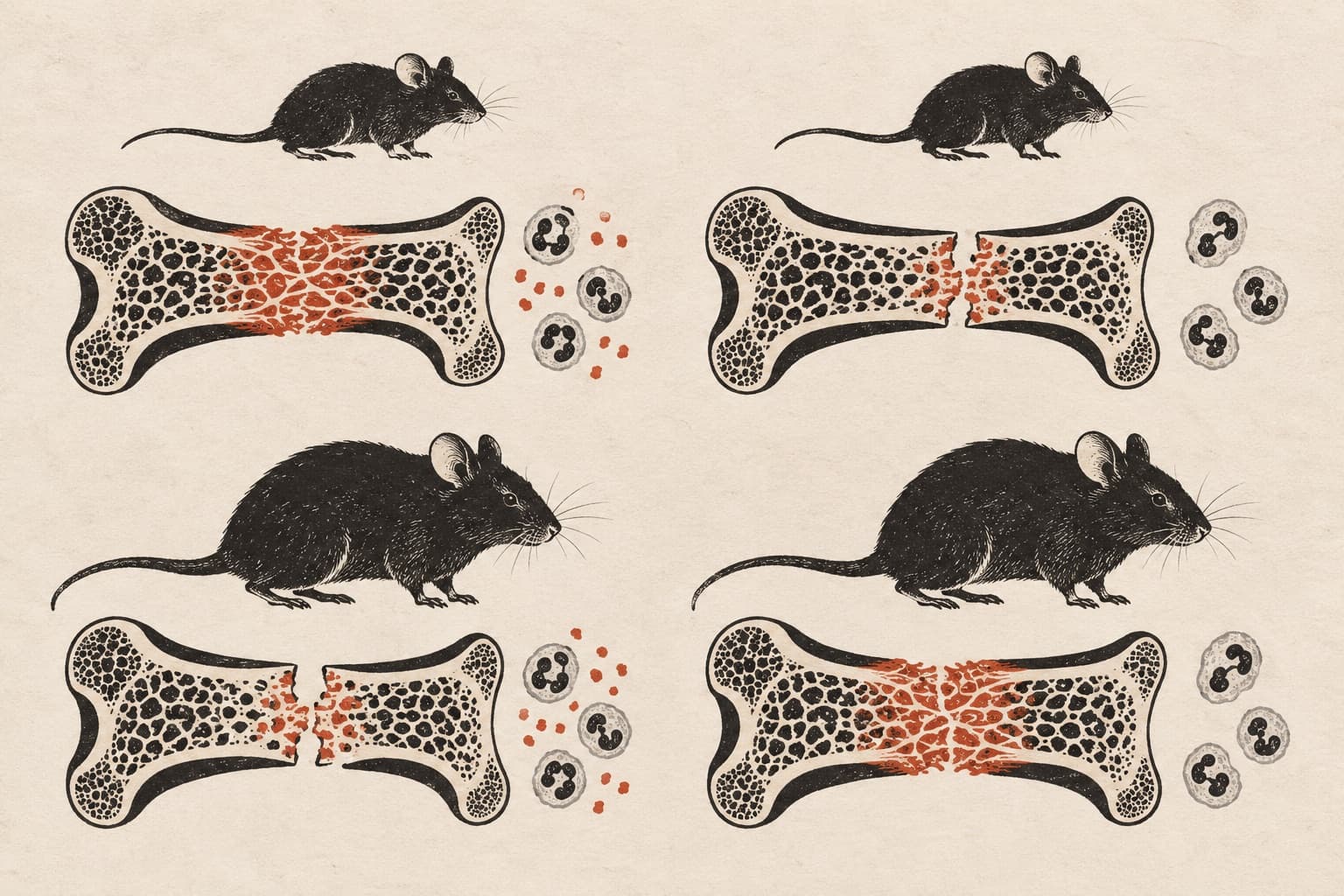
A bone-supporting scaffold plus metformin accelerated new bone formation in aged mice, most clearly when bone-forming cells lacked a protein involved in energy metabolism.
Nano Research
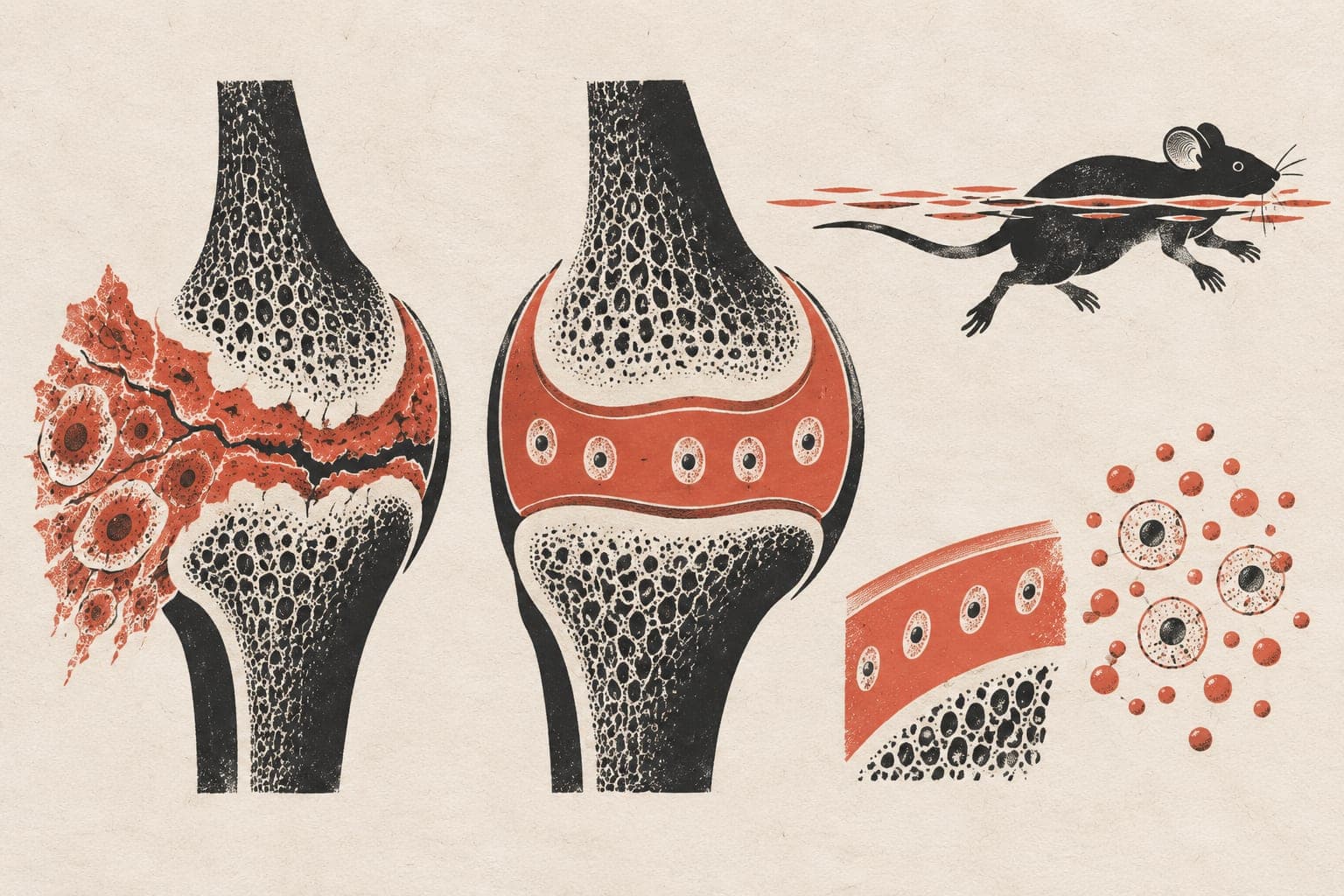
In aged mice with defects in their thigh bones, researchers tested a locally placed, bone-supporting scaffold alongside the drug metformin in an animal experiment. The scaffold combined a degradable polymer with tiny particles of hydroxyapatite, a mineral found in bone. It released calcium and phosphate over time. The team also studied mice whose bone-forming cells lacked PCK2, a protein involved in cellular energy metabolism.
The combined approach reduced local senescence, a state in which cells stop dividing, and accelerated new bone formation. The clearest effect occurred in mice lacking PCK2 in their bone-forming cells.
Why it matters
Bone regeneration declines with age partly because bone-forming cells lose metabolic fitness. The findings suggest that supporting these cells’ metabolism could strengthen scaffold-based repair.
Caveats
The bone-repair results came from mouse experiments, including genetically altered mice. The study did not test the approach in people.
The paper
Nano Research · 14 Sep 2026 · CC BY