A magnesium-phenolic hydrogel accelerates wound healing in aged mice
The engineered dressing scavenges reactive oxygen species, shifts immune cells toward repair, and promotes blood vessel formation to improve tissue regeneration in senescent skin.
ACS Applied Materials & Interfaces
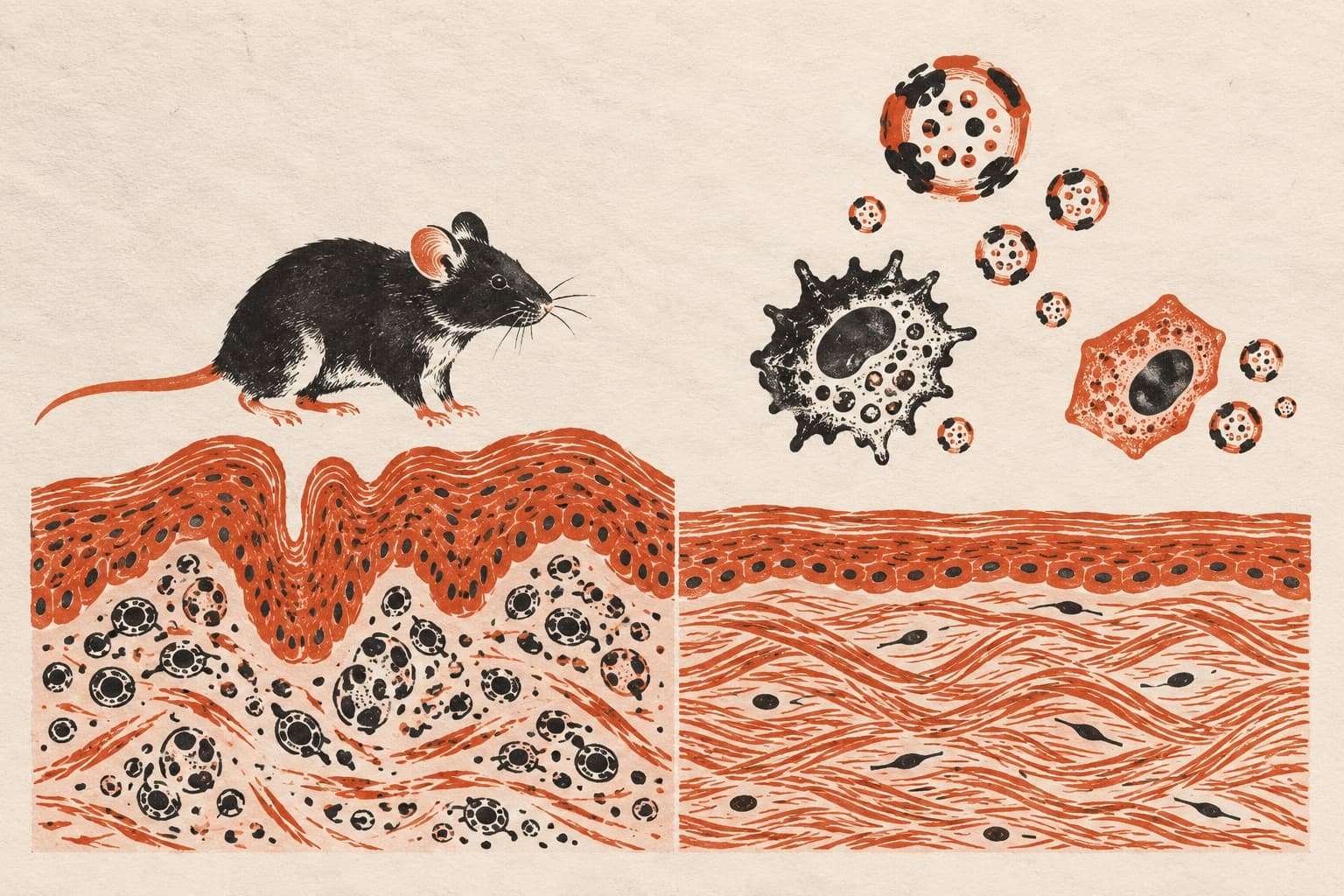
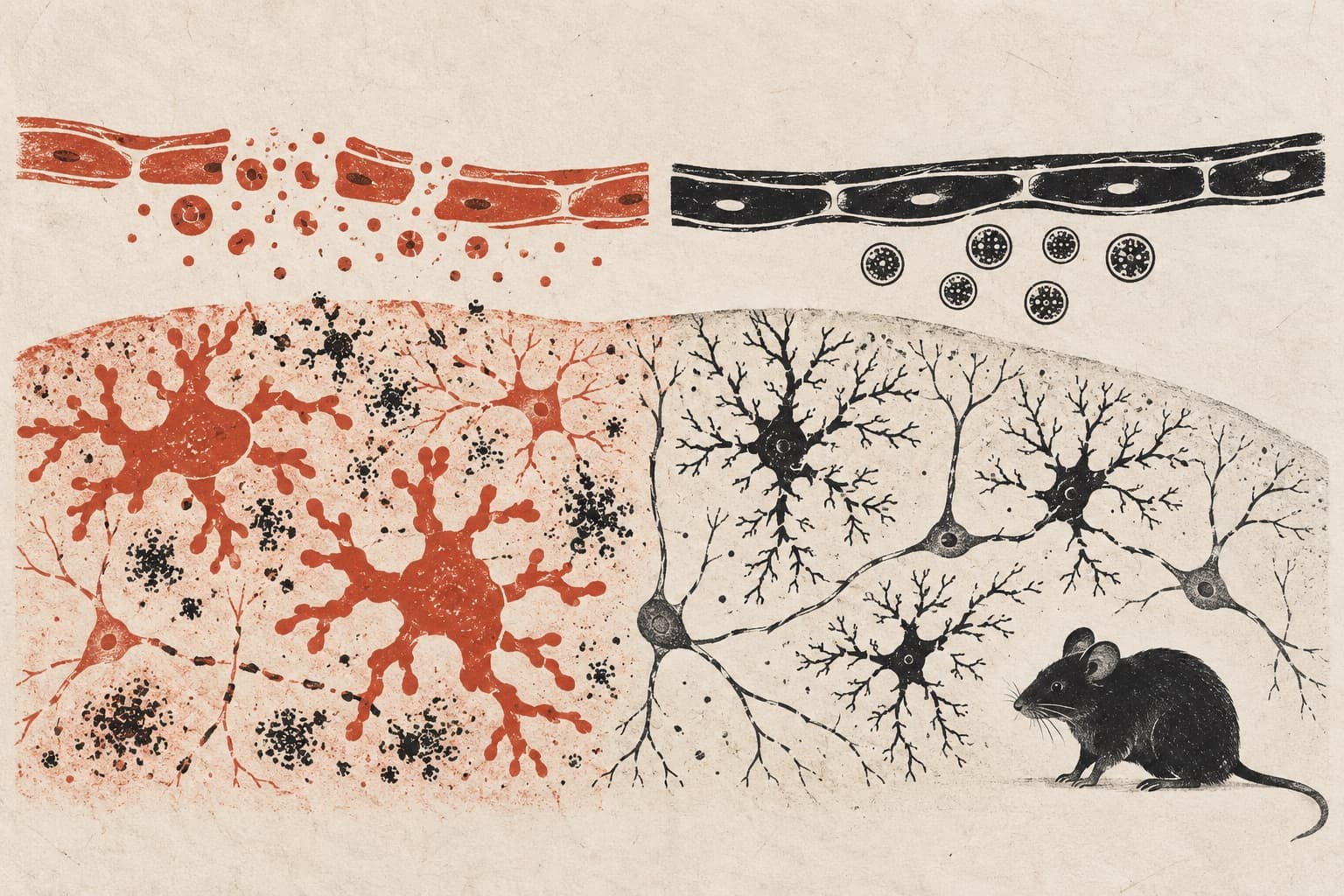
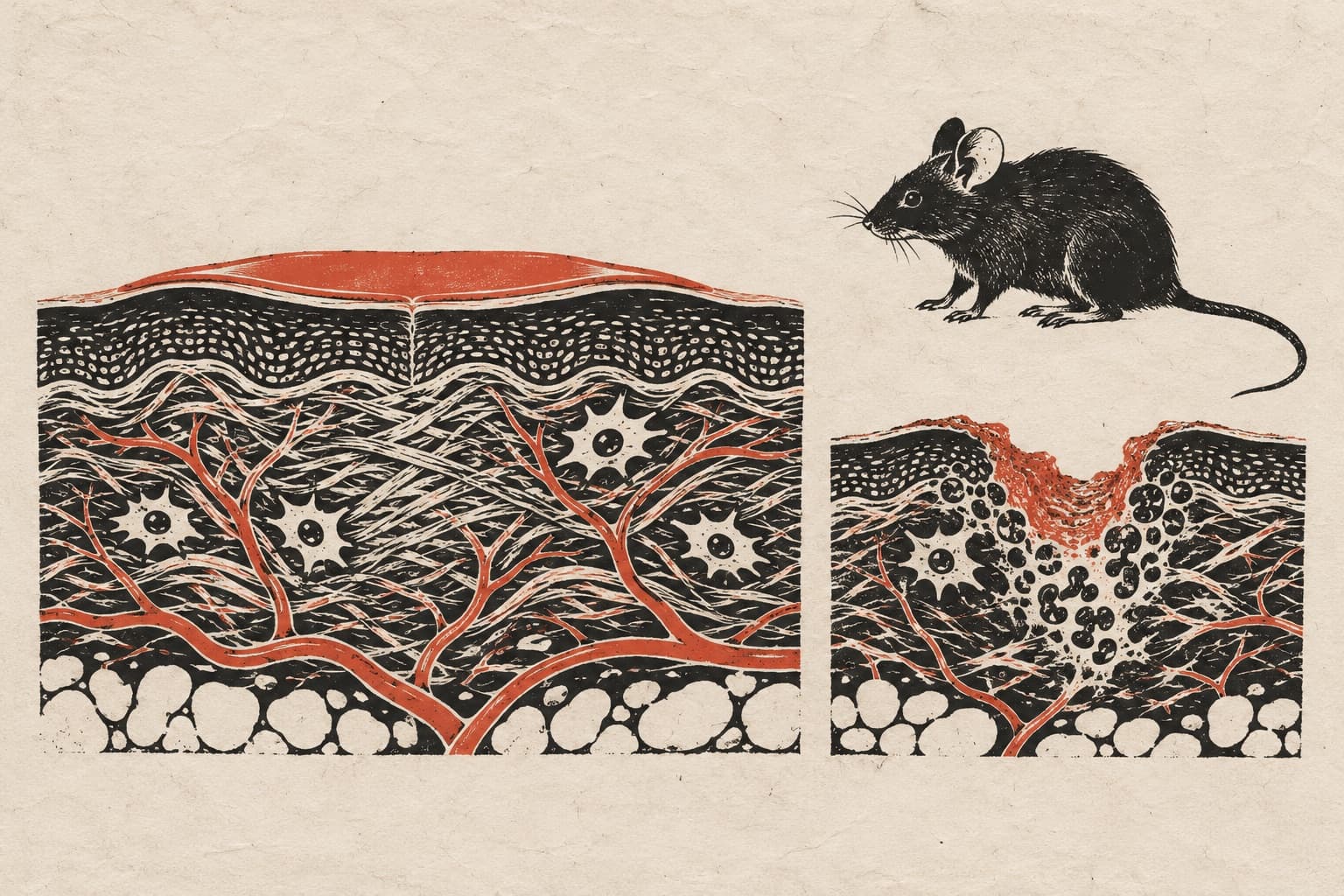
In aged ICR mice, an engineered hydrogel dressing significantly accelerates cutaneous wound closure, promotes collagen deposition, and restores functional vascular networks. Researchers designed the dressing, named Aging-resistant Ionogel Dressing, by combining bioactive magnesium ions and polydopamine within a polyvinyl alcohol network. The design addresses transcriptomic findings revealing deficits in Nrf2 antioxidant defense and VEGF signaling in senescent wounds.
The hydrogel features tissue adhesiveness, viscoelasticity, and antibacterial properties. Biologically, the dressing scavenges reactive oxygen species to curb oxidative apoptosis. It also reprograms the local immune niche by promoting a macrophage transition from a pro-inflammatory M1 phenotype to a pro-regenerative M2 phenotype. Additionally, sustained magnesium release supports robust angiogenesis to overcome impaired vascularization.
Why it matters
Senescent tissues often fail to heal due to compounding problems of oxidative stress, persistent inflammation, and inadequate blood vessel growth. Multifunctional biomaterials that simultaneously target these interconnected pathways offer a path toward restoring regenerative capacity in aged tissue.
Caveats
The study was conducted exclusively in aged mice, and the dressing has not yet been evaluated in human clinical trials.
- Aging-resistant ionogel dressing
- Apoptosis
- Angiogenesis
- Reactive oxygen species
- Impaired wound healing
- Mice
The paper
Show 9 more authors
Long Chen, Baisheng Cai, Su Jiang, Kefan Wu, Kuan Liu, Yi Wang, Mengdie Dong, Juanjuan Xu, Zhengwei Zhang,Affiliated Hospital of Nantong University · Nantong University
ACS Applied Materials & Interfaces · 28 Sep 2026