A metabolic molecule regulates cell recycling in brain neurons
Experiments in hypothalamic neurons found that reducing a key metabolic molecule shortened hair-like cell projections and reduced activity in cellular recycling compartments.
Limit: Calorie restriction also affects mTOR signaling, complicating attribution of mouse results to NAD+
Edited by Boris Djordjevic · AgingResearch.News
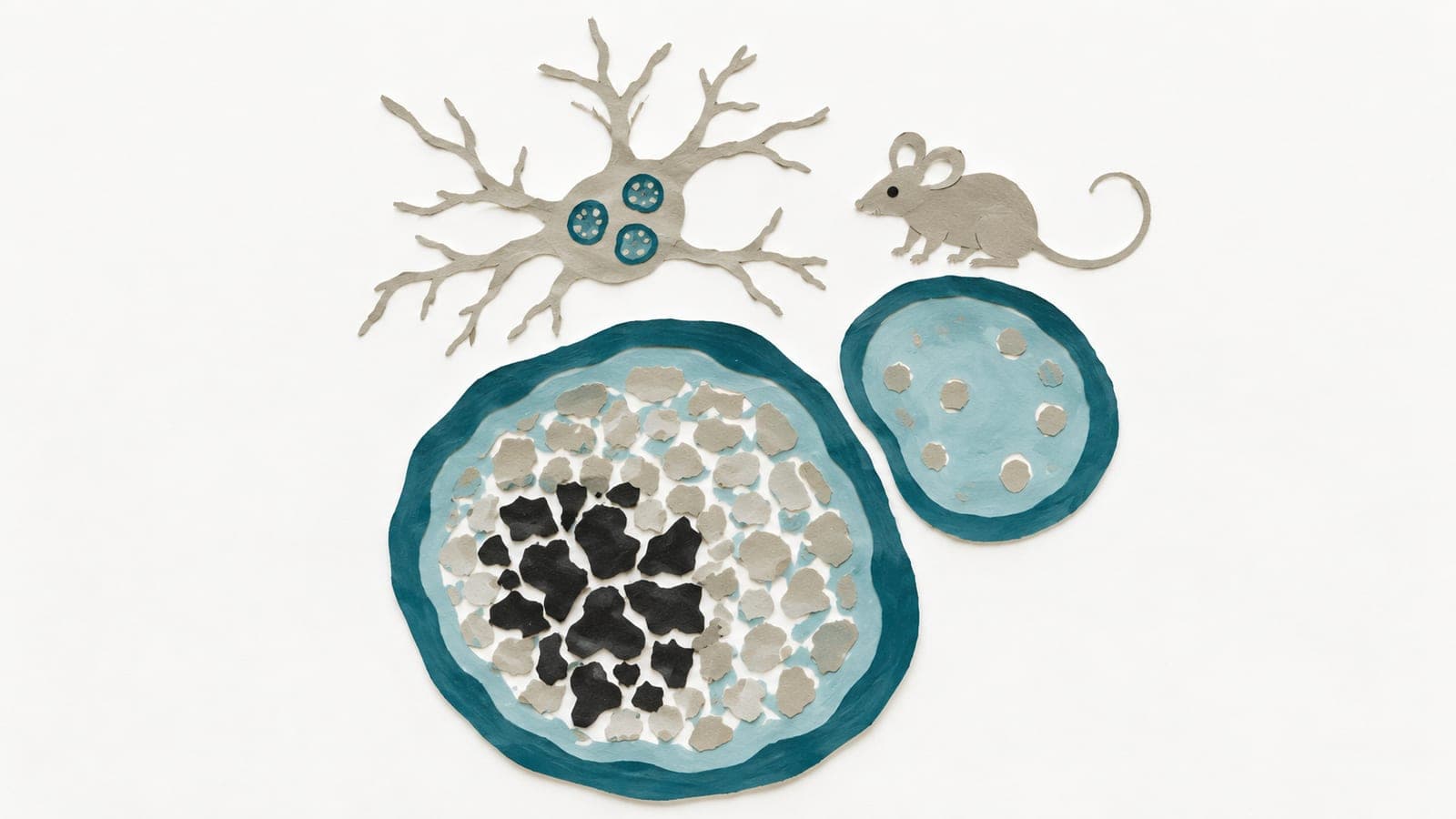
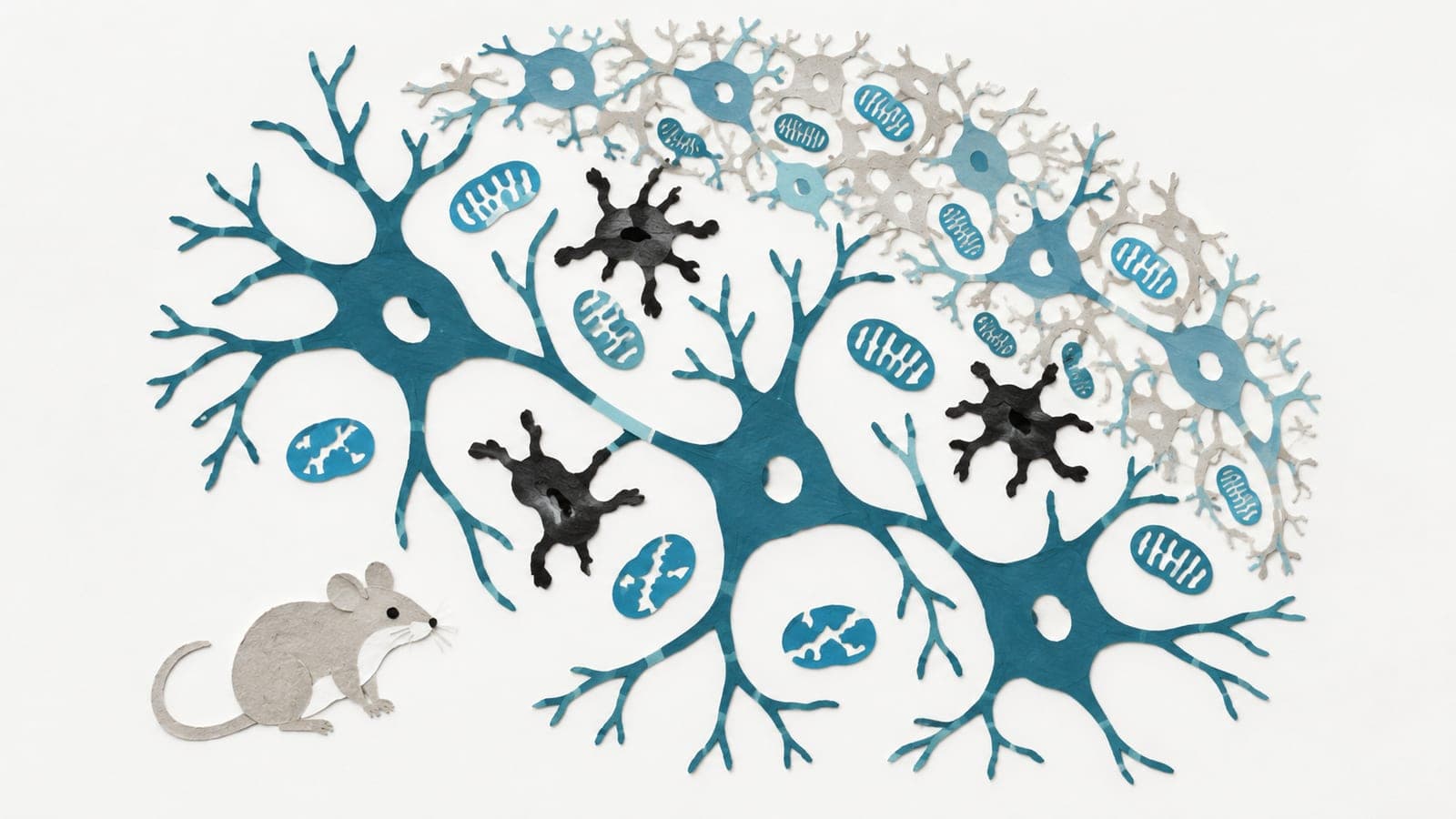
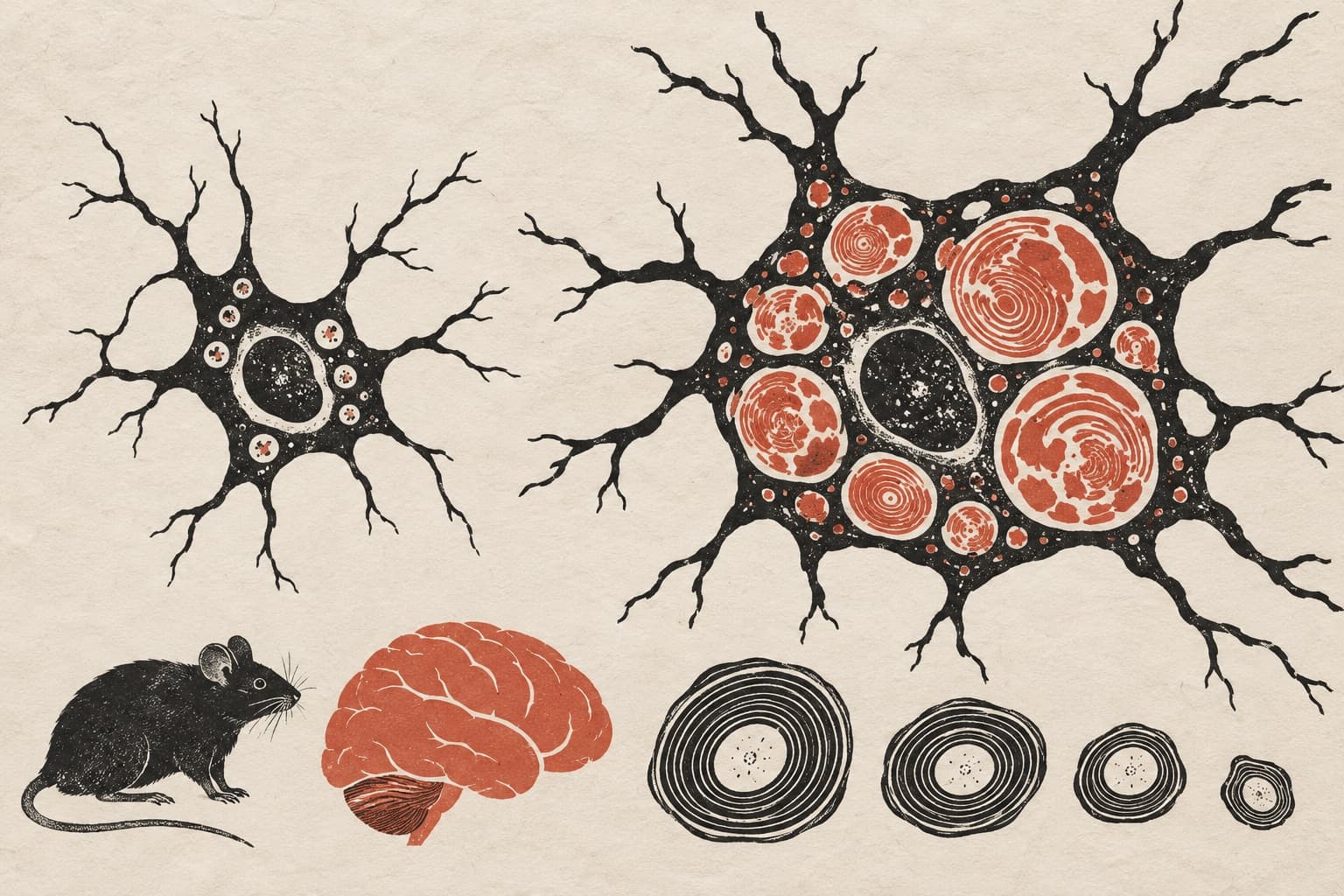
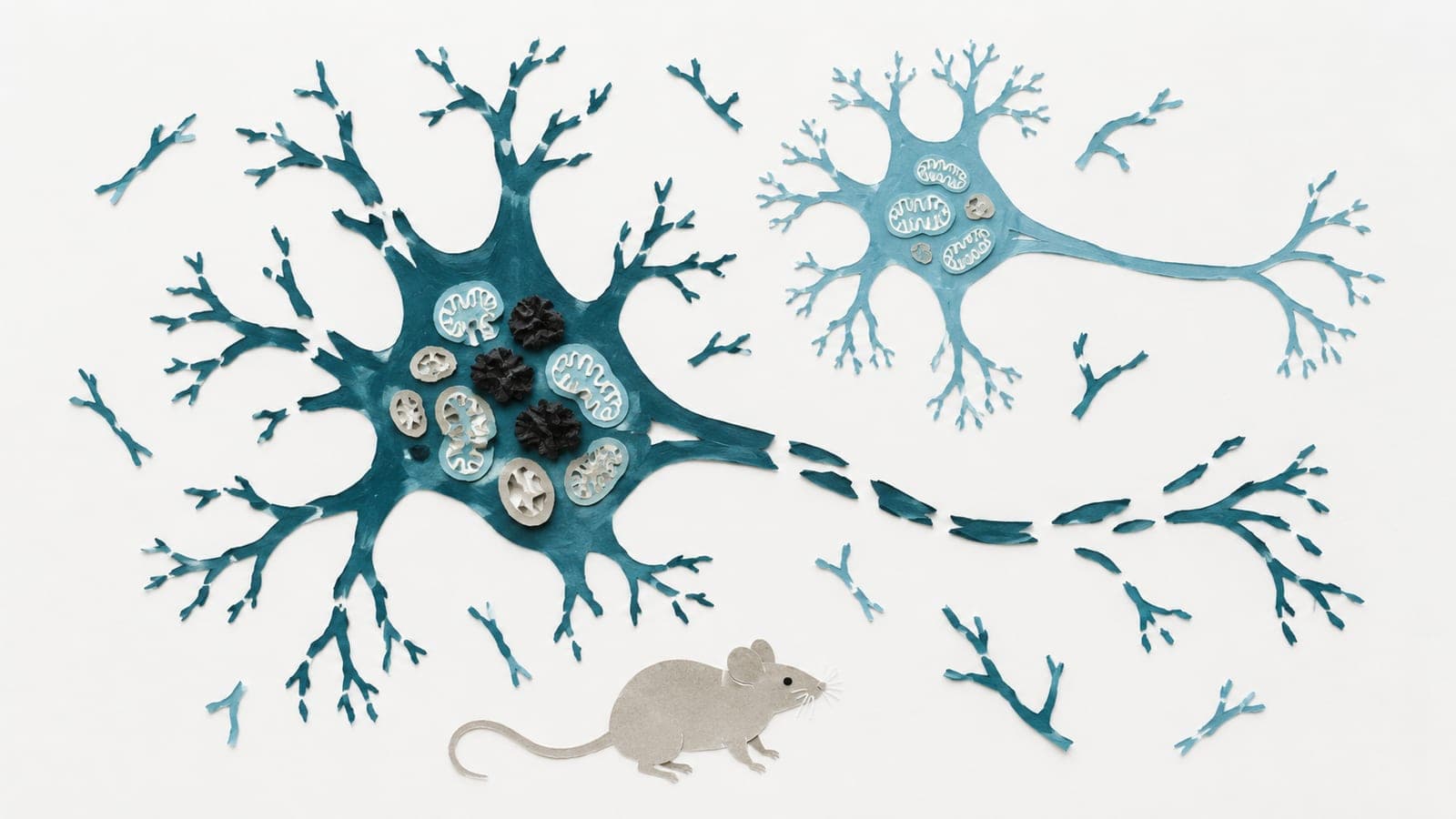
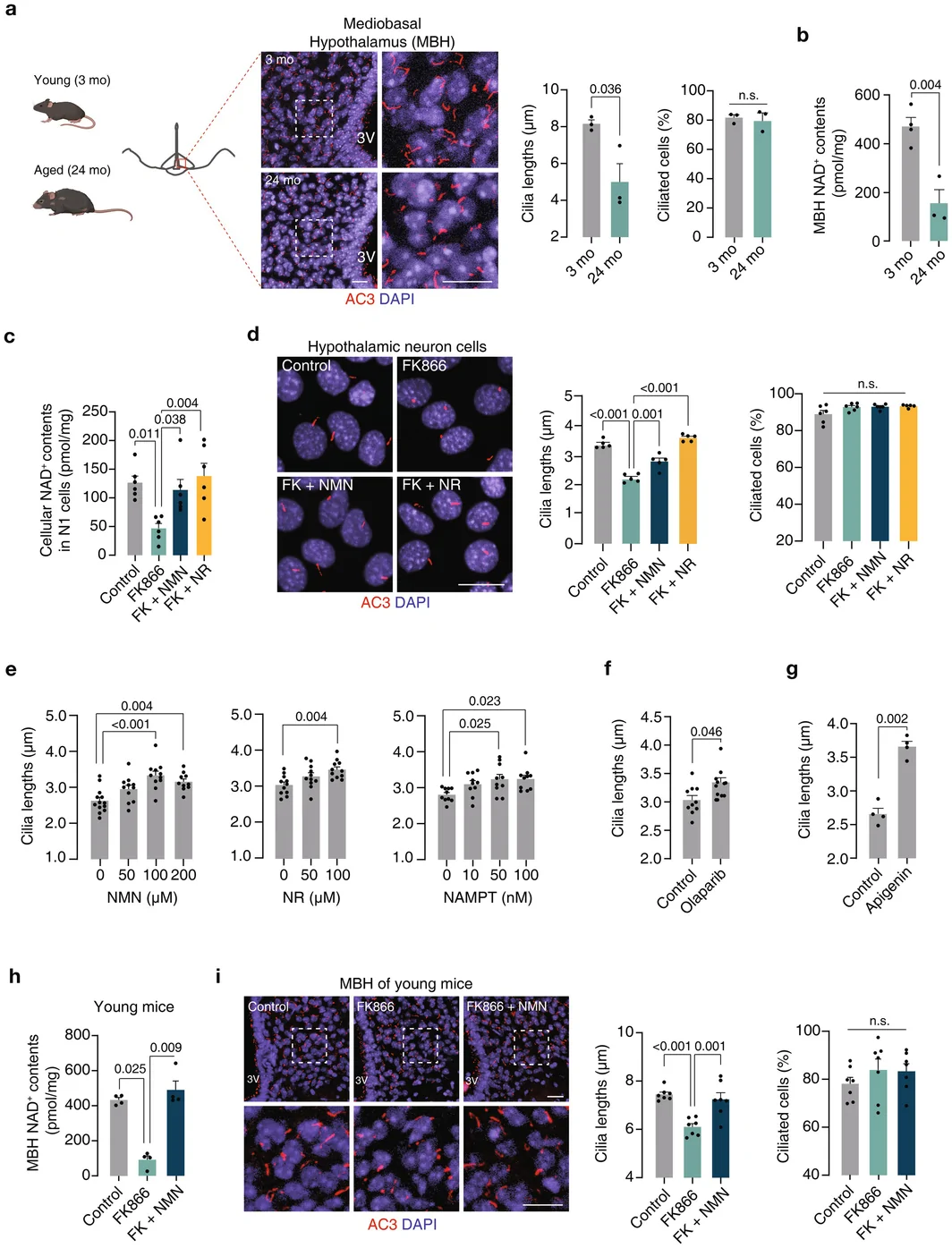
In experiments in hypothalamic neurons—nerve cells in a brain region involved in metabolism—researchers studied nicotinamide adenine dinucleotide (NAD⁺), a molecule essential for cell metabolism. Lowering NAD⁺ shortened primary cilia, hair-like structures on cell surfaces. It also reduced the activity of lysosomes, compartments that break down and recycle cellular material. This reduction depended on cilia. Abnormal cilia impaired movement of a repair protein to stressed lysosomes, disrupting their calcium signaling and function.
Aged mice with low hypothalamic NAD⁺ had shorter cilia and signs of lysosomal stress. Calorie restriction restored cilia length and corrected signs of lysosomal stress. It also improved age-associated metabolic dysfunction, at least partly through mechanisms that depended on hypothalamic cilia.
Why it matters
Maintaining cellular recycling in the hypothalamus may be relevant to understanding why metabolic regulation deteriorates with age.
Caveats
The aging-related findings were in mice and do not establish effects in people. The abstract did not specify the neuron model, sample sizes or calorie-restriction regimen.
Caloric restriction is part of Bryan Johnson's Blueprint