Protein mutation worsened age-related brain damage
A Parkinson’s-linked change in the CHCHD2 protein worsened nerve-fibre damage and problems with thinking.
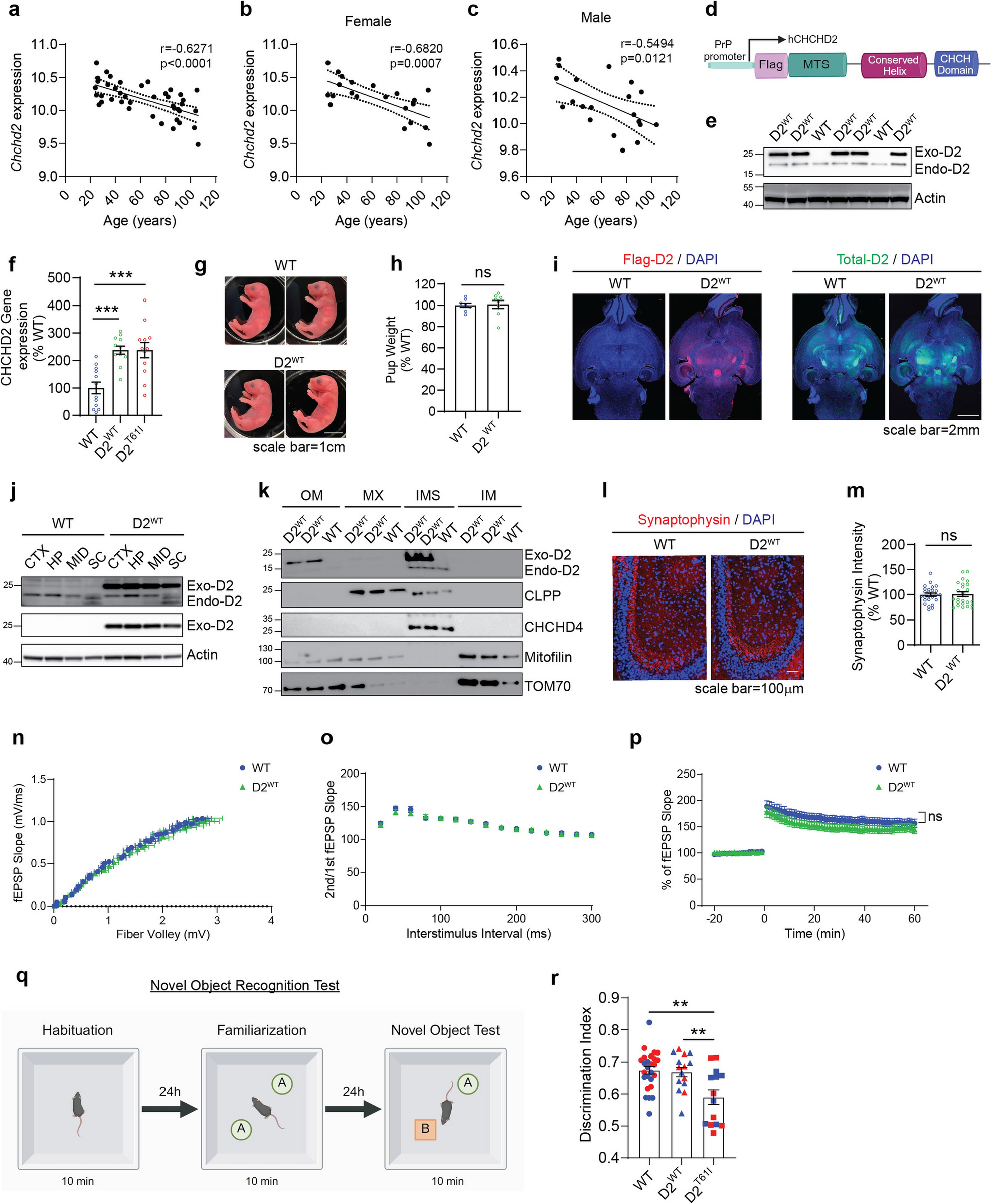
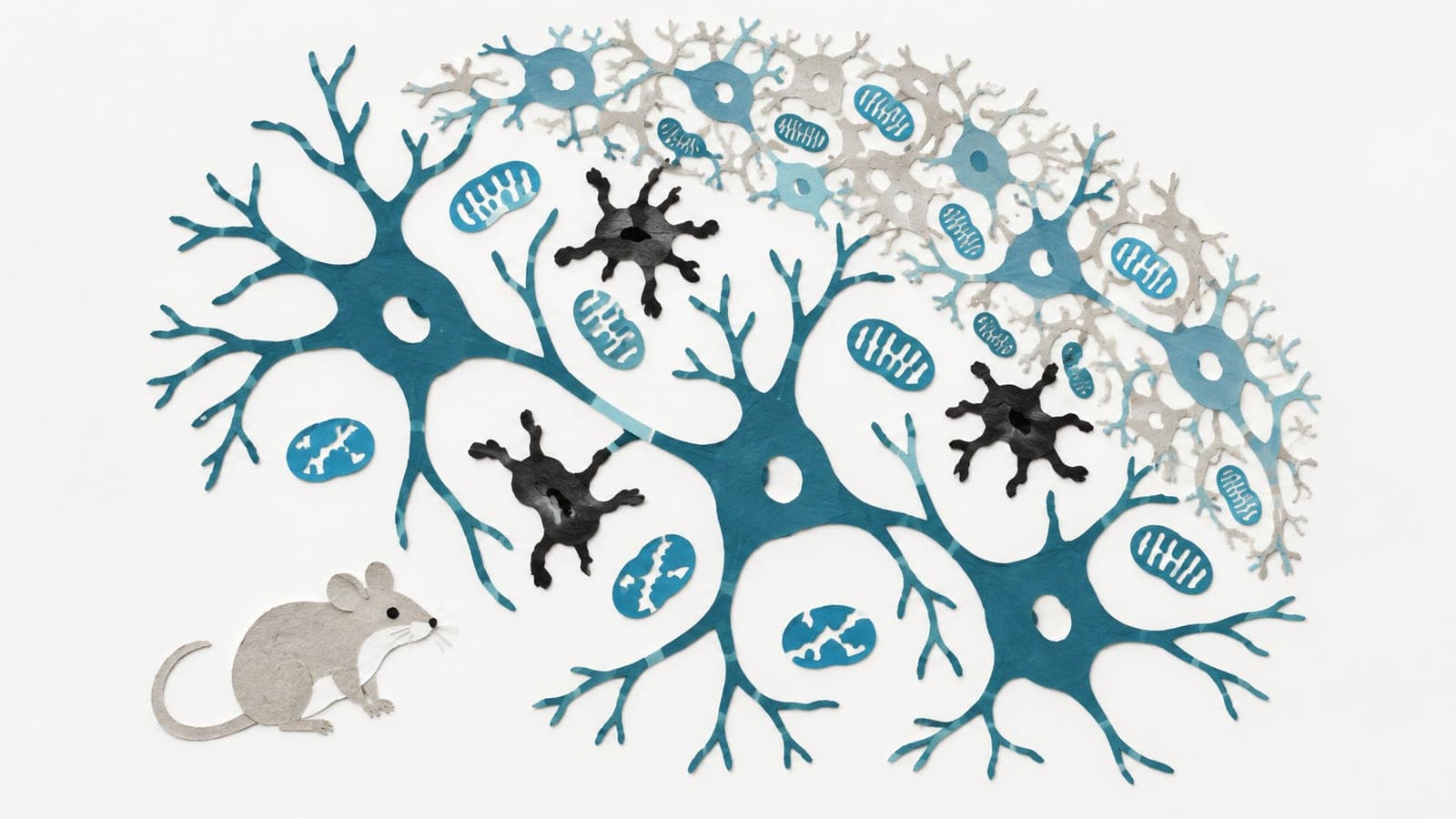
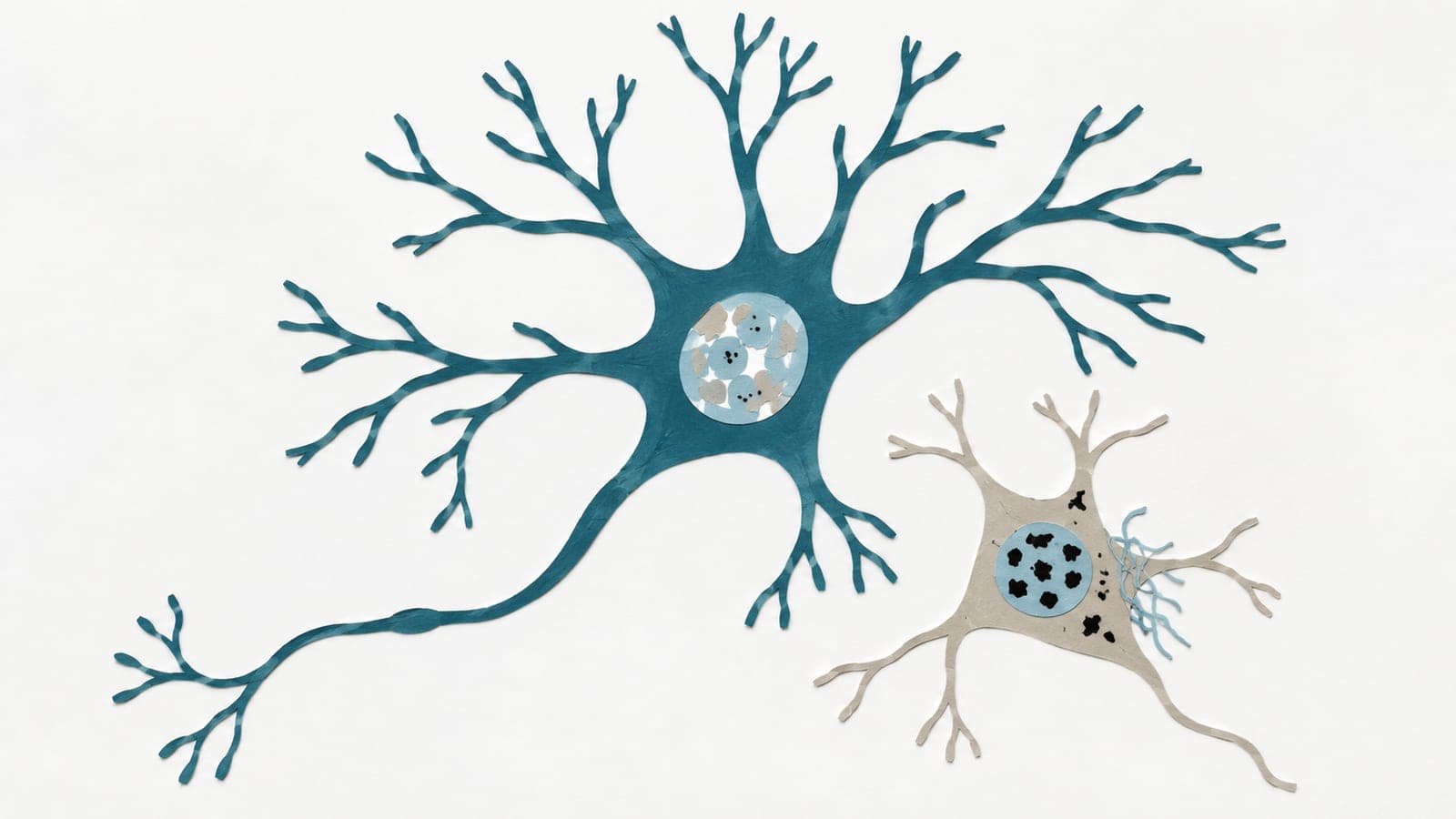
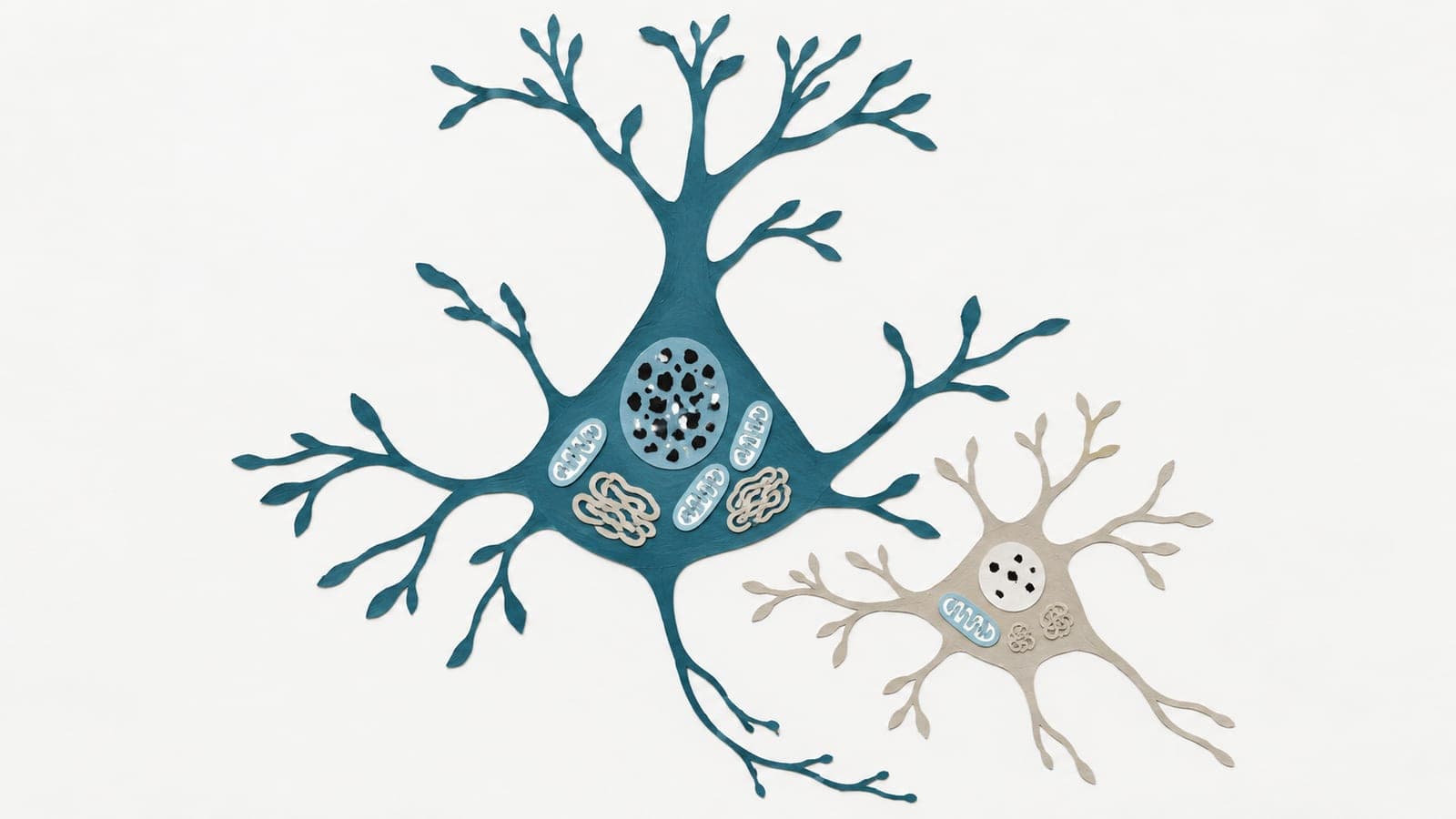
Researchers studied CHCHD2, a protein, and a mutated form linked to Parkinson’s disease, but the abstract did not identify the experimental system. The mutation worsened age-related nerve-fibre damage and problems with thinking. It disrupted coordination between mitochondria, the cell’s energy suppliers, and lysosomes, which break down cellular waste.
The researchers reported that the normal protein helped protect against age-related brain inflammation, loss of dopamine-producing nerve cells and insoluble protein build-up. It also helped protect the structure of mitochondria and lysosomes. Separately, the researchers observed reduced levels of CHCHD2 and cathepsin B, an enzyme that breaks down proteins, in human brains with Lewy body disorders, a group of brain diseases.
Why it matters
The work addressed how nerve cells manage proteins as they age. It suggests that preventing CHCHD2 decline may offer a strategy for preserving brain health.
Caveats
The abstract does not identify the experimental system, sample sizes or study durations. It does not establish whether preserving CHCHD2 would benefit people.
The paper
Case Western Reserve University
Acta Neuropathologica, 13 Oct 2026