Myelin lipid buildup links to lysosomal defects in mice
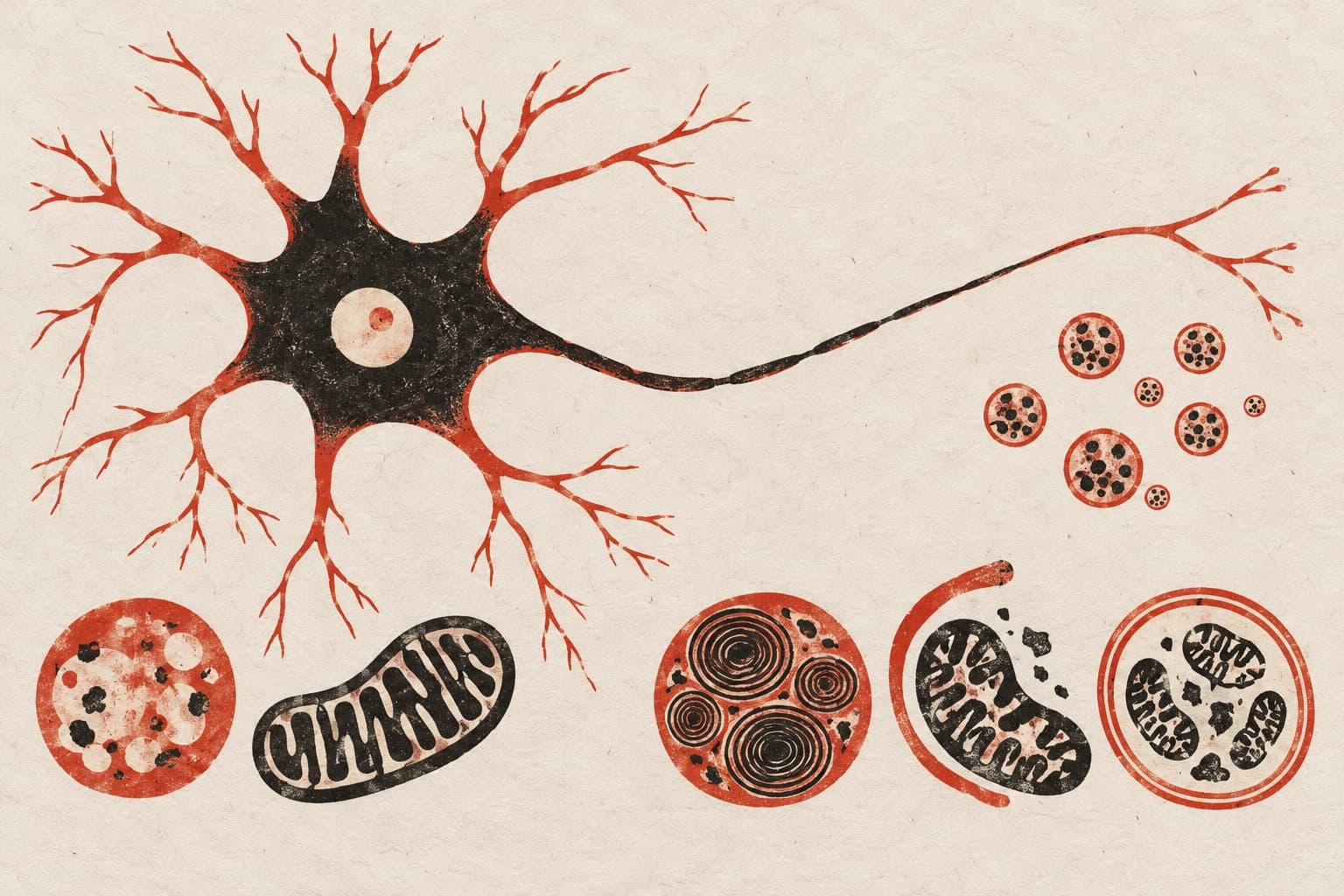
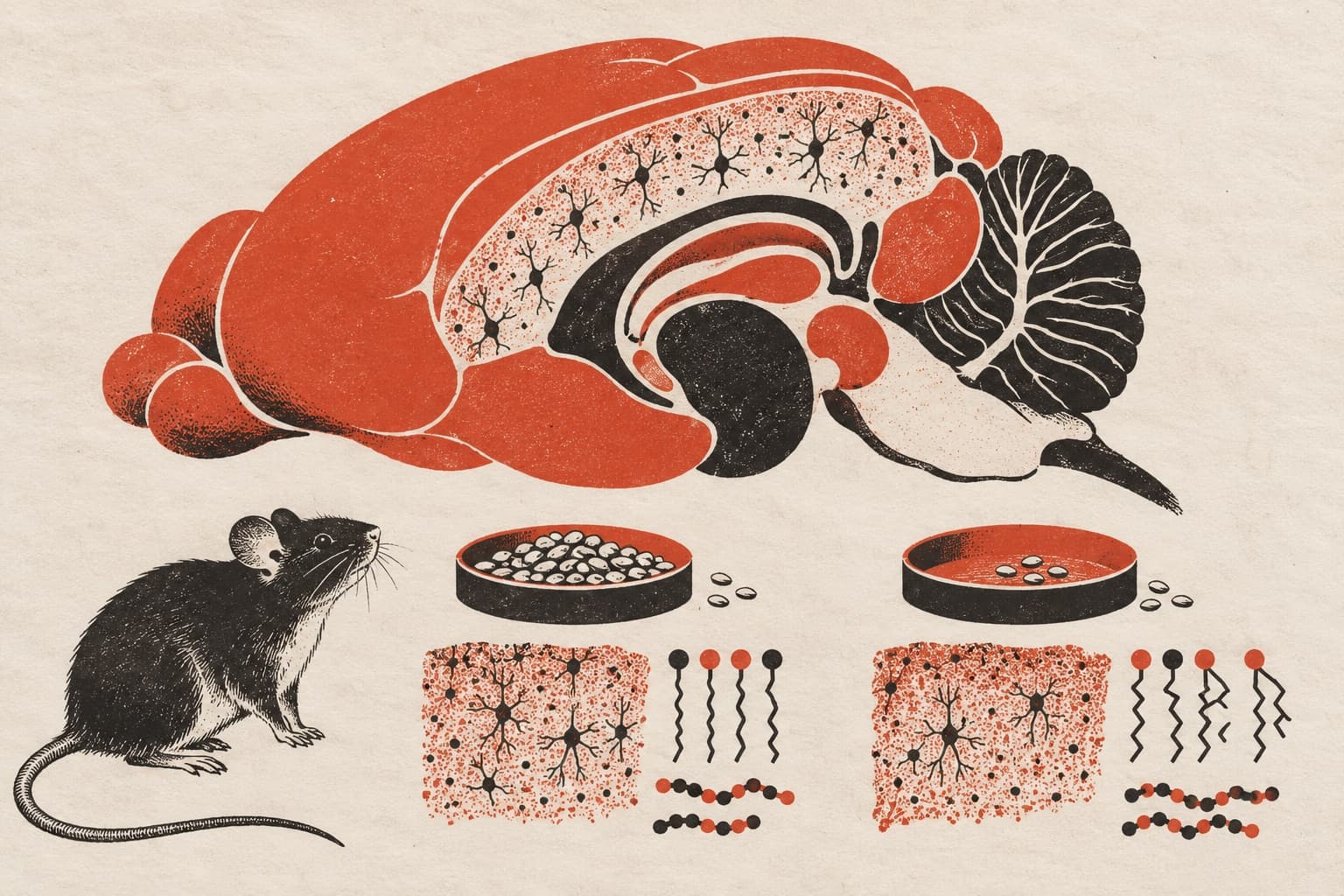
Profiling lysosomal fractions from mouse cortex from 3 to 24 months revealed an accumulation of myelin-derived glycosphingolipids that was most pronounced in microglia.
Cell Reports
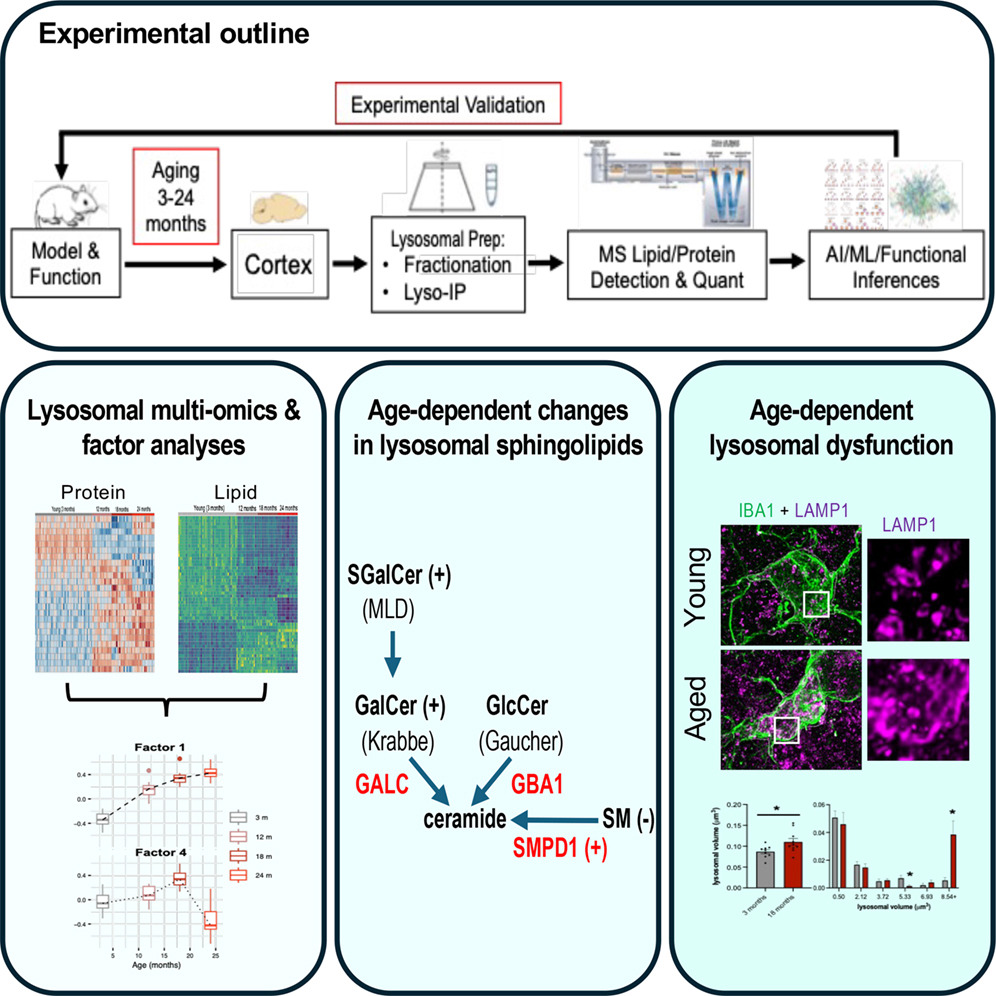
In mice, aging lysosomes in the cerebral cortex accumulate myelin lipids and proteins as sphingolipid breakdown shifts. Researchers used mass spectrometry to track longitudinal changes in the lipidome and proteome of cortical lysosomal fractions across mouse ages from 3 to 24 months. Applying multi-omics factor analysis, they identified an age-dependent increase in myelin components and evidence of altered sphingolipid catabolism that favors the degradation of sphingomyelins over glycosphingolipids. Experimental tests corroborated these predictions, showing that the age-dependent accumulation of myelin-derived glycosphingolipids was associated with lysosomal enlargement and dysfunction. This accumulation was most pronounced in microglia, producing organellar lipid changes that the authors note resemble lysosomal storage diseases.
Why it matters
The findings show that organelle-specific lipid imbalances may play a role in brain aging and suggest potential biochemical parallels between normal aging and lysosomal storage disorders.
Caveats
The findings reflect bulk and cellular lysosomal fractions from mice, and whether identical lipid changes occur during human brain aging remains to be determined.
The paper
Show 20 more authors
Mehari M Weldemariam, Yulemni Morel, Amir Mehrabani-Tabari, Nikki Gorny, Olivia Pettyjohn-Robin, Nivedita Hegdekar, Sagarina Thapa, Sazia Arefin Kachi, Sabrina Bustos, Stephanie Zalesak‐Kravec, Christina Williams, Nicholas Leahy, Renee Ti Chou, Shilpa Dilip Kumar, Carrie L McCracken, Thomas A. Blanpied, Mariusz Karbowski, Jace W. Jones, Maureen A. Kane, Michael P. Cummings,University of Maryland, Baltimore
Cell Reports · 1 Oct 2026