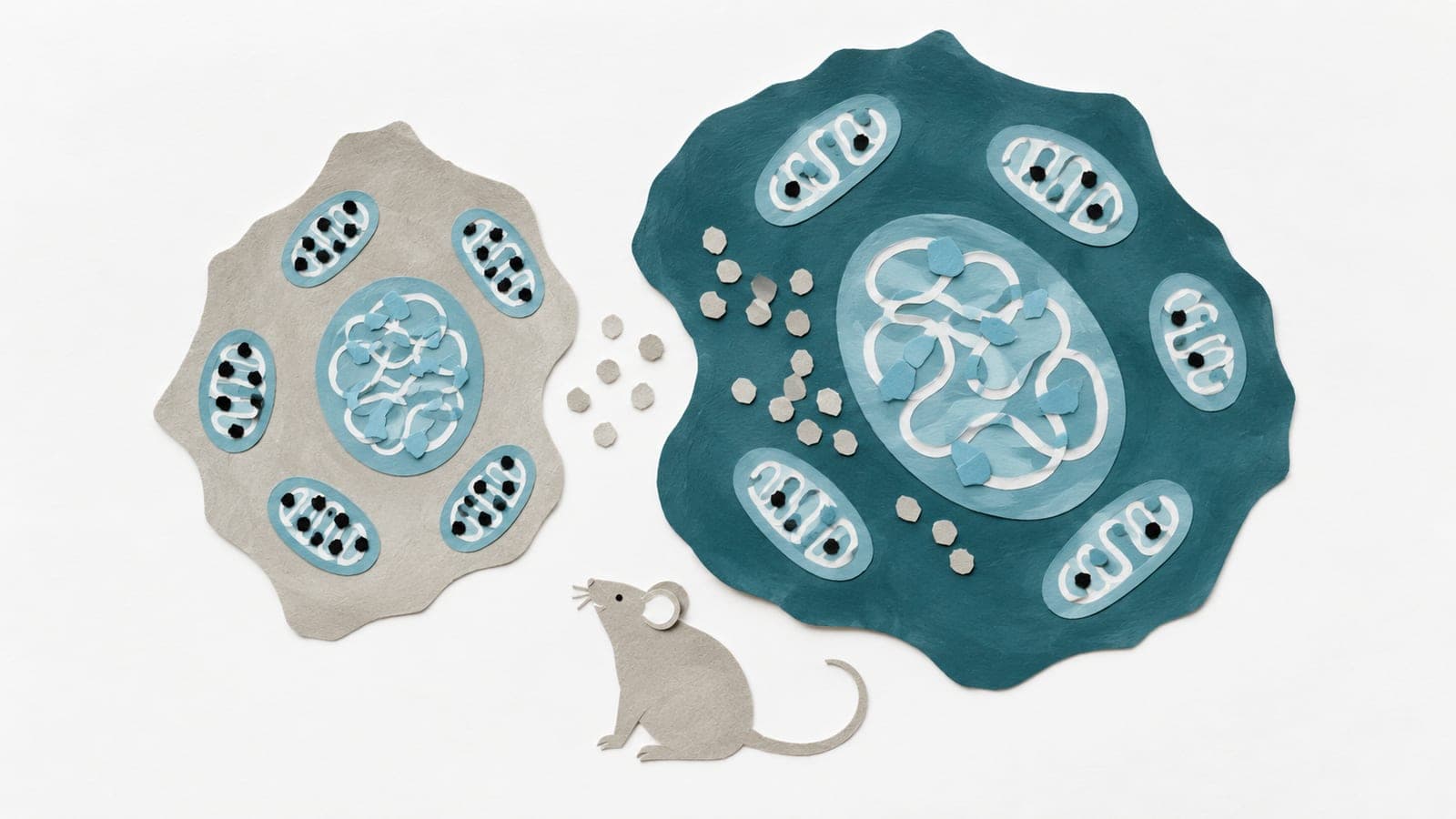
Metabolic Reprogramming by Time-Restricted Feeding Confers Resistance to PM2.5-Induced Metabolic Disturbances in Adipose Tissue
Randomised
Abstract
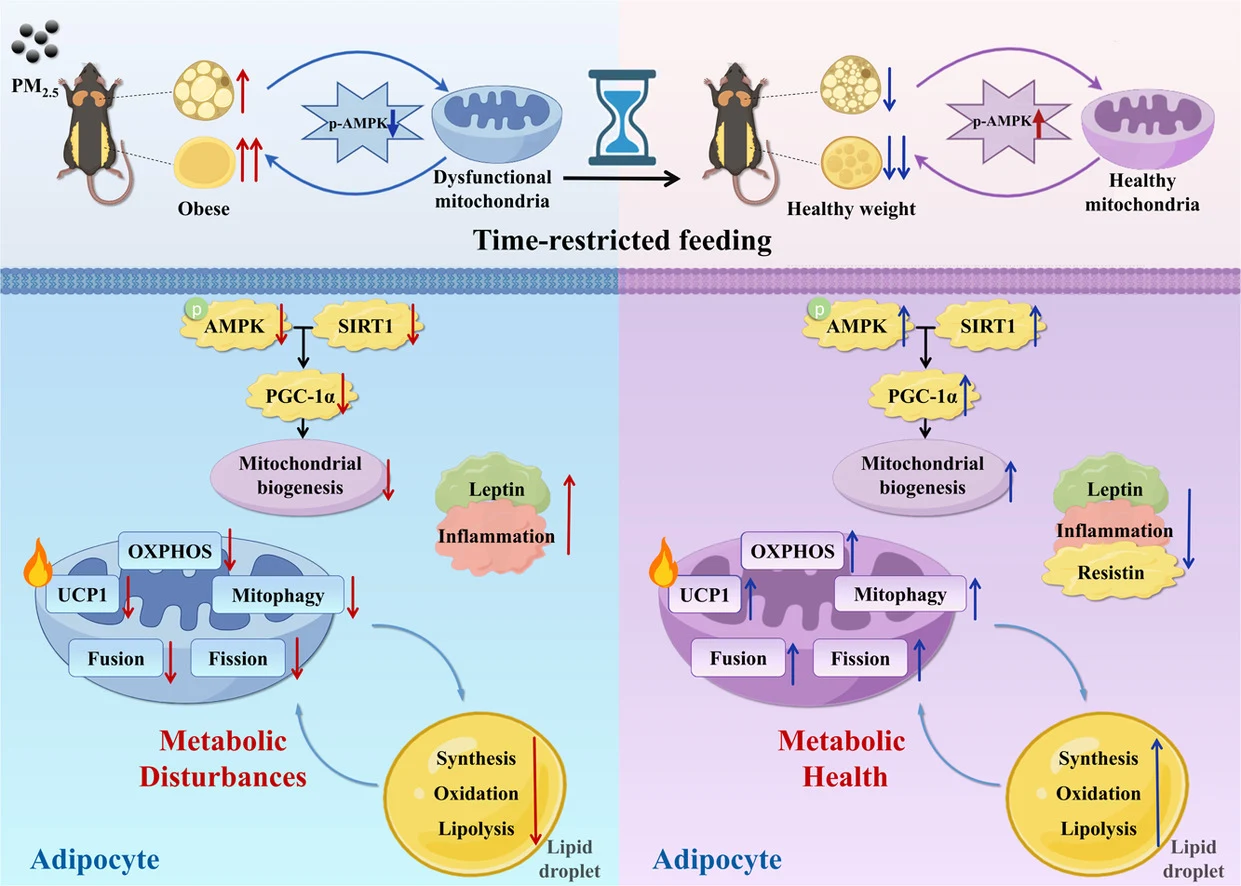
Recent research indicates that exposure to fine particulate matter (PM2.5) not only impairs the respiratory system but also disturbs adipose tissue homeostasis, contributing to rising obesity rates and systemic metabolic disturbances. Time-restricted feeding (TRF), a dietary approach that confines daily food consumption to specific time windows, has demonstrated significant potential in preventing and managing metabolic disorders. However, it remains unclear if TRF can alleviate PM2.5-induced adipose tissue dysfunction, and the mechanisms involved require investigation. We established a PM2.5-exposed male mouse model and randomly assigned the animals to four groups: filtered air (FA), PM2.5 exposure, TRF+FA, and TRF+PM2.5. The PM2.5 and TRF+PM2.5 groups underwent whole-body PM2.5 exposure in inhalation chambers, while the remaining groups were maintained under FA conditions. Mice in the TRF+FA and TRF+PM2.5 groups were subjected to an 8-hour feeding window during the active phase (ZT16-ZT24). Our results indicated that PM2.5 exposure induced systemic energy metabolism dysregulation and obesity, characterized by reduced heat production and metabolic rate, along with adipocyte hypertrophy, lipid droplet expansion, adipokine dysregulation, and inflammatory activation in both inguinal white adipose tissue (iWAT) and brown adipose tissue (BAT). Furthermore, PM2.5 significantly suppressed thermogenesis, impaired oxidative phosphorylation, disrupted mitochondrial quality control networks, and downregulated the AMPK/SIRT1/PGC-1α signaling pathway. Notably, TRF intervention reactivated these signaling pathways, systematically reversed the multi-level pathological alterations, and restored mitochondrial homeostasis and energy metabolic balance. This study suggests for the first time that TRF counteracts adipose tissue dysfunction caused by PM2.5, offering a promising lifestyle intervention strategy against environment-related metabolic diseases.
- Time-restricted feeding
- AMPK signalling
- Cellular homeostasis
- Adipose tissue dysfunction
- Systemic metabolic disturbances
- Mice
The paper
Zhejiang Chinese Medical University
The Journal of Nutritional Biochemistry, 16 Oct 2026