Lack of dietary DHA drives harmful lipid remodeling and retinal degeneration in mice
Restoring the fatty acid reversed visual decline in mice and cleared toxic oxidized lipids that otherwise trigger chronic microglial activation.
bioRxiv
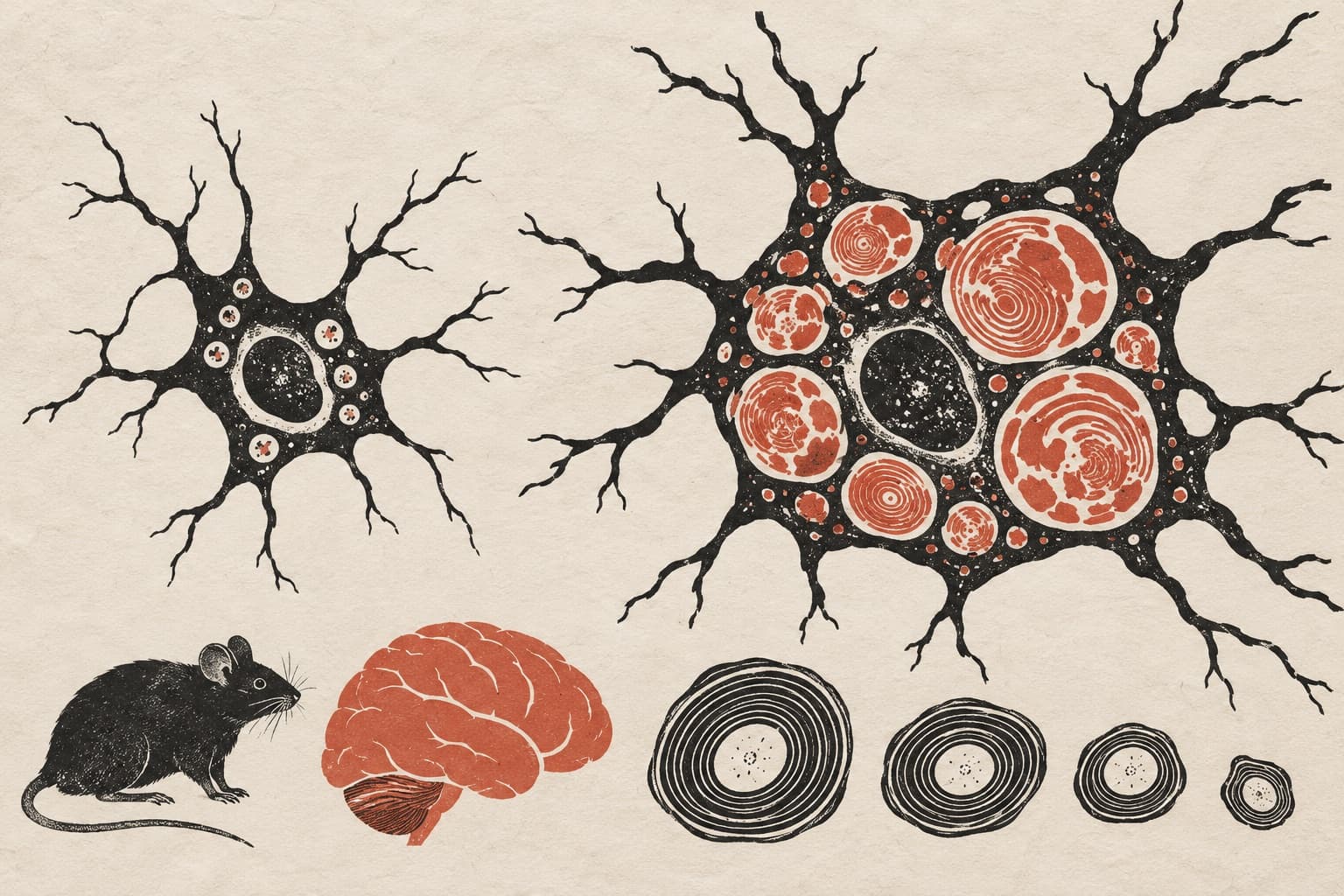
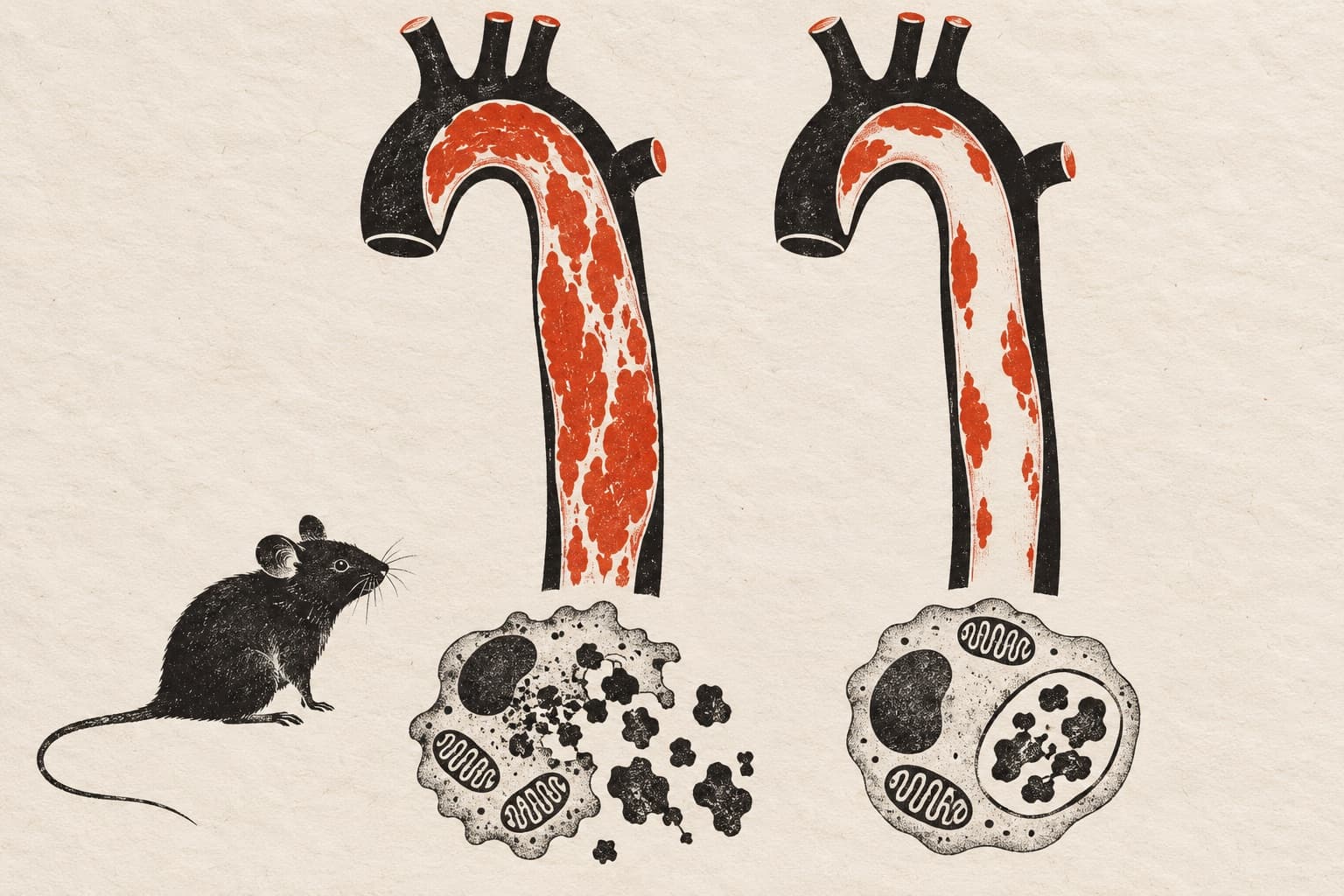
In a preprint study, researchers found that chronic DHA deficiency in mice triggers a neural-tissue-selective lipid shift from DHA-containing phospholipids to oxidation-prone omega-6 species. This remodeling increased lipid peroxidation and oxidative damage in the retina, driving inflammation and visual dysfunction. Dietary DHA restoration successfully reversed these pathological shifts, oxidative stress, and visual problems in the animals. The team also uncovered an APOE-dependent clearance pathway that shunts oxidized lipids from the neural retina to subretinal microglia. Chronic lipid uptake overwhelmed microglial lysosomes, causing persistent galectin-3 activation that promoted tissue breakdown. Deleting galectin-3 protected against this late-stage degeneration, and physiologically aged mouse retinas exhibited the same shift toward omega-6 lipid accumulation.
Why it matters
The findings define a specific pathway linking declining DHA availability to lipid peroxidation, microglial dysfunction, and age-related neural decline.
Caveats
The study was conducted in mice, and its findings have been published as a preprint that has not yet undergone peer review.
The paper
DHA deficiency drives neural oxidized-lipid stress and microglial activation
Show 13 more authors
Ryoya Ueno, Greg Barrett-Wilt, Michael Landowski, Kazuya Oikawa, Madison Tytanic, Richard S. Brush, Jingyang Wei, Maya S. Guerriero, Gillian J. McLellan, Sakae Ikeda, Martin-Paul Agbaga, Bikash R. Pattnaik, Ken-ichi Yamada,University of Wisconsin–Madison
bioRxiv · 28 Sep 2026 · Preprint, not peer-reviewed