Ozone exposure impaired lungs in 16-month-old male mice
After six hours at 1.0 parts per million, mice had temporary breathing problems and lung tissue damage that remained seven days after exposure.
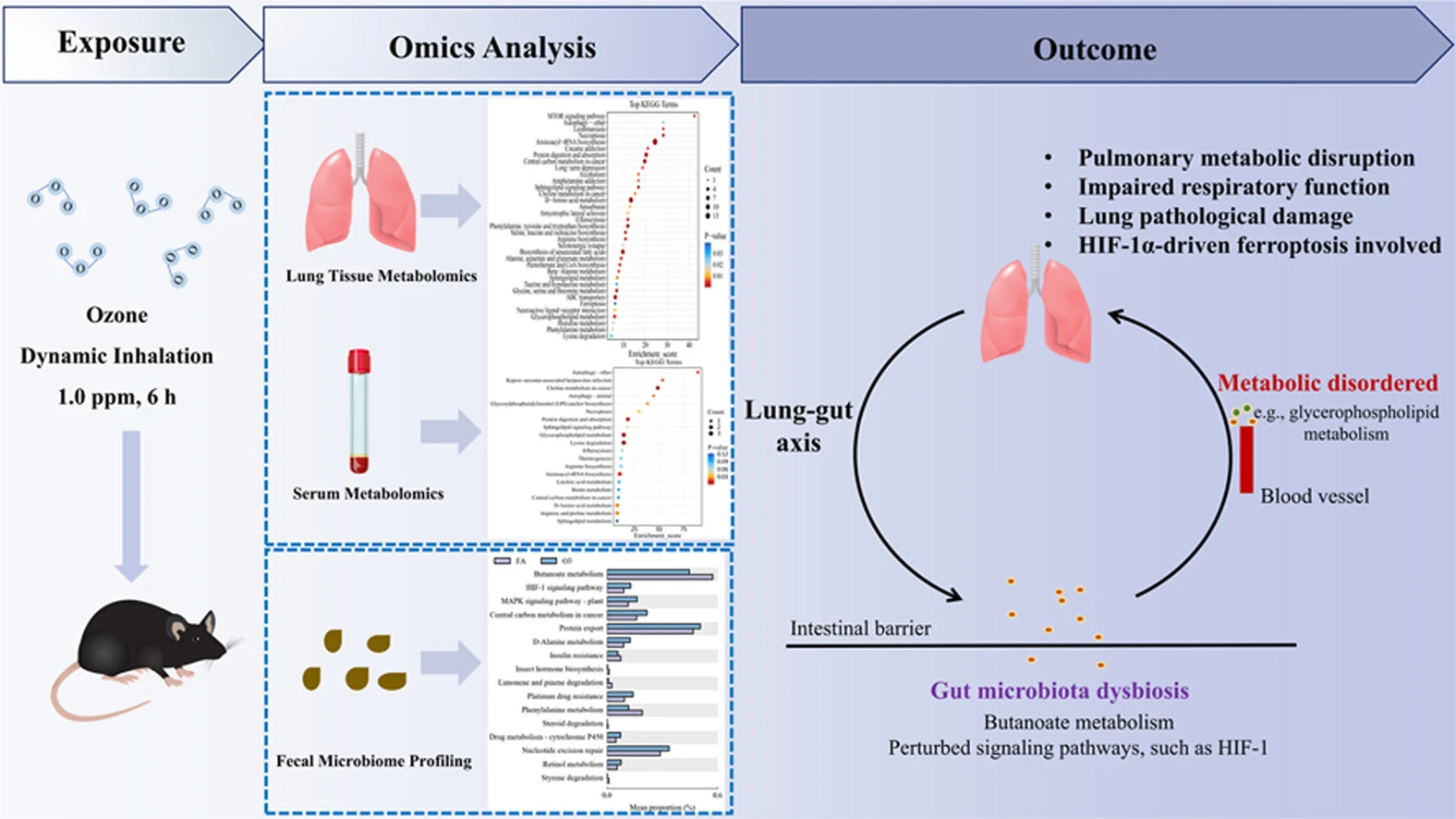
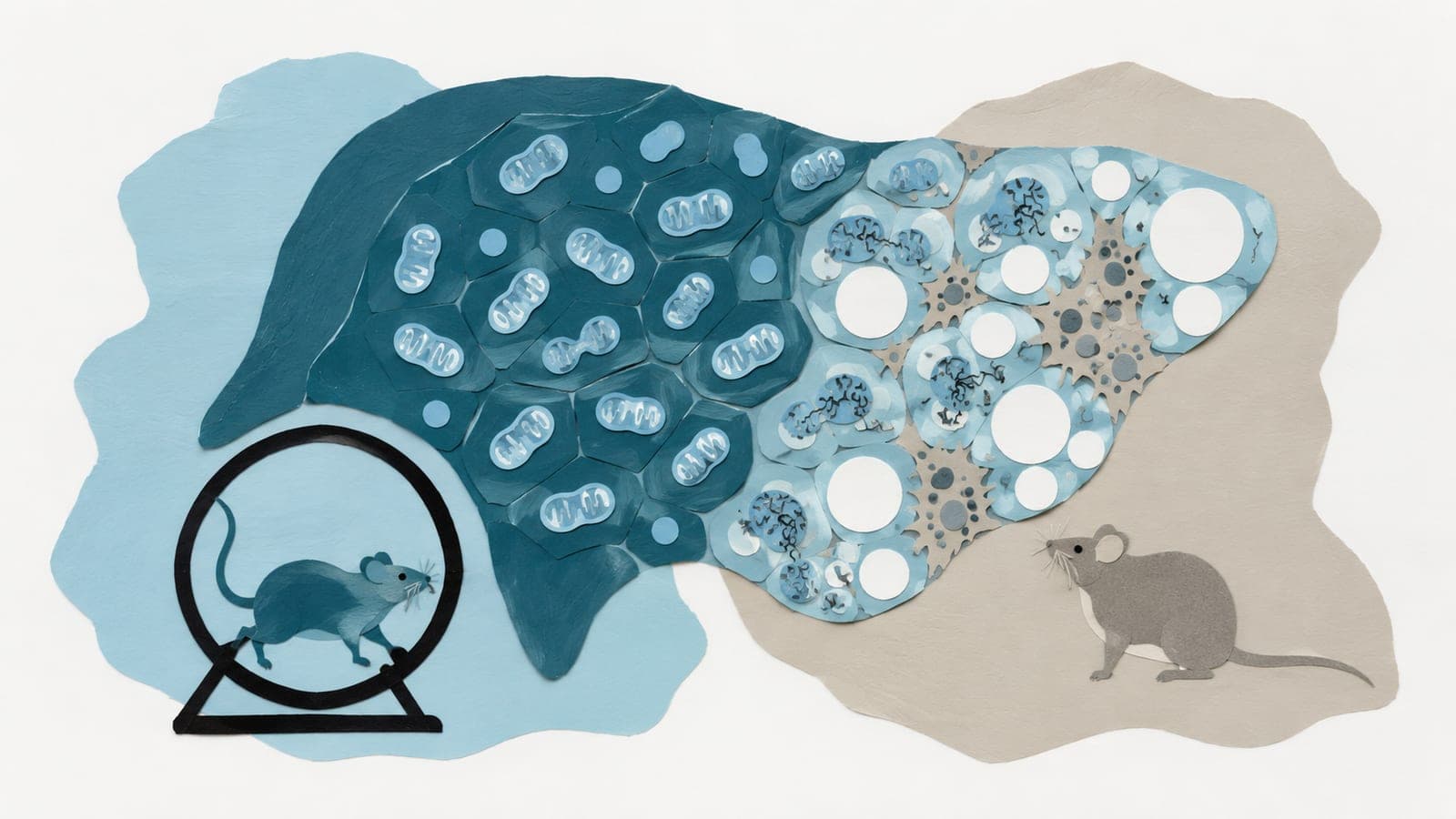
In an animal experiment, 16-month-old male C57BL/6J mice breathed ozone at 1.0 parts per million for six hours. Researchers examined breathing, lung tissue, gut bacteria and small molecules in lung tissue and serum—the fluid left after blood clots—seven days after exposure.
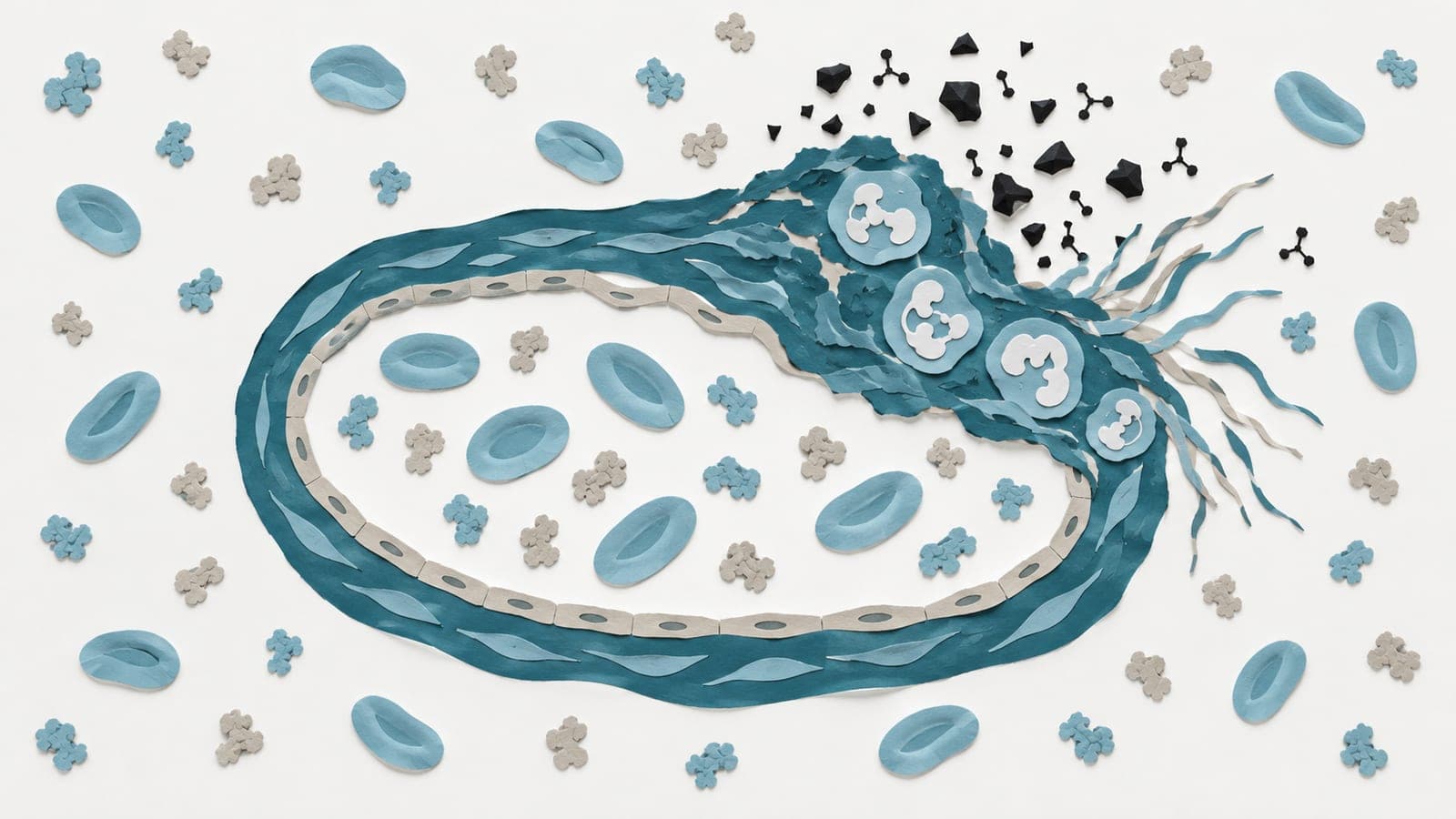
Ozone caused temporary breathing problems and lingering lung damage, including destruction of lung air sacs and inflammation. It also disrupted metabolism in the lungs and serum. Changes in gut bacteria correlated with lung damage and metabolic disturbances. Molecular results indicated that ozone activated signalling involving HIF-1α, a protein that regulates gene activity. This contributed to damage to fats and ferroptosis, a form of cell death involving iron. The researchers suggested that this cell-death process, alongside metabolic and gut bacterial changes, may help regulate ozone-related lung injury.
Why it matters
Understanding how older lungs respond to ozone may help clarify the biological processes behind air pollution-related injury in aging populations.
Caveats
This experiment studied only older male mice after a single exposure, so it cannot establish effects in people or differences from younger animals. Correlations with gut bacteria did not establish that bacterial changes caused lung injury.
The paper
Acute ozone exposure induced lung impairments in aged mice: multi-omics evidence
Capital Medical University
Environmental Pollution, 14 Oct 2026