More inflammatory diets linked to muscle loss in older adults
In 1,048 older adults, higher dietary inflammation scores were linked to greater odds of age-related muscle loss, with an odds ratio (a comparison of odds) of 1.305.
Food & Function
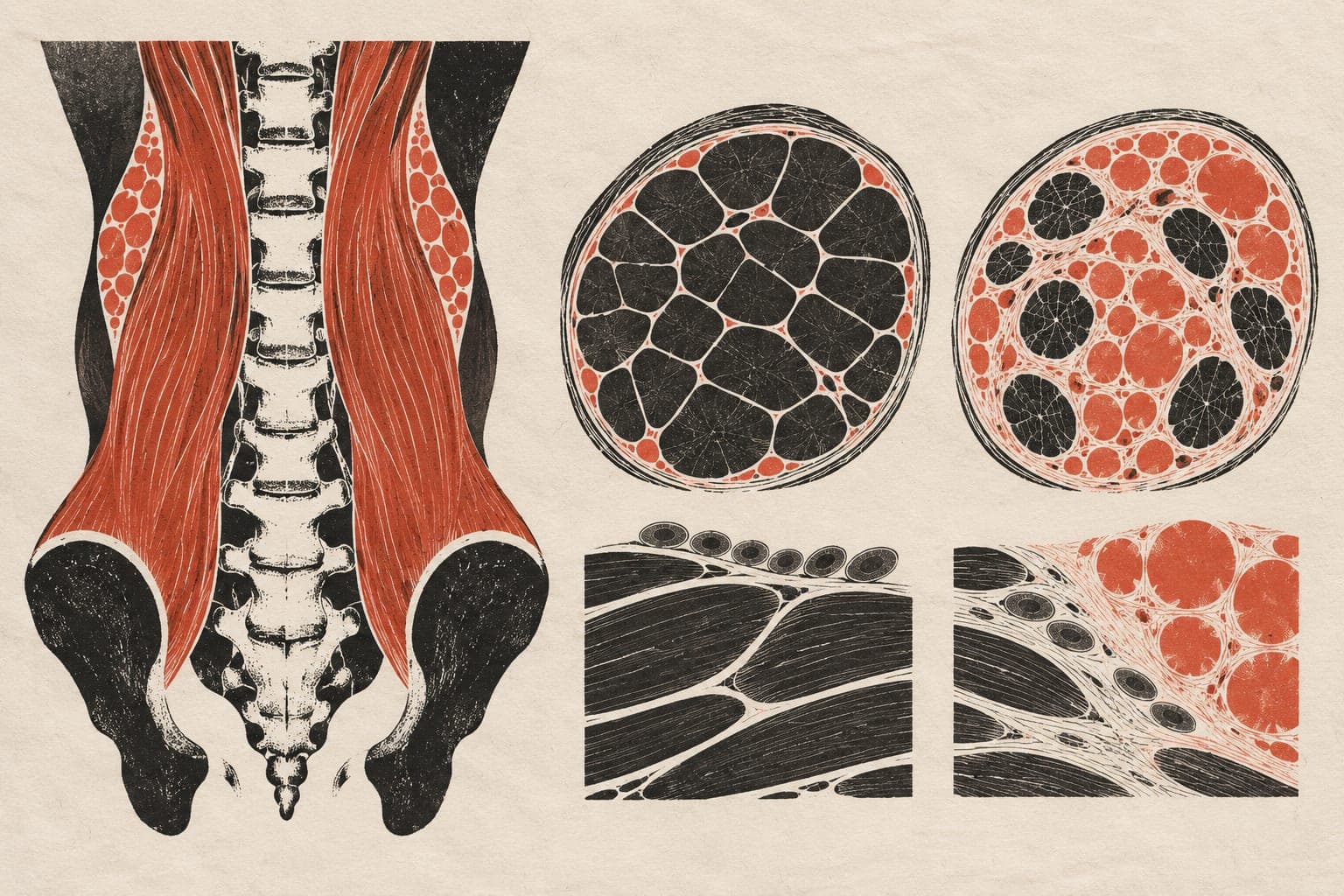
In an observational study of 1,048 older adults, researchers examined dietary inflammation scores and sarcopenia, the age-related loss of muscle mass and strength. Higher scores were associated with a greater prevalence of sarcopenia. The researchers also analysed gut microbes in stool samples from 86 participants. Microbial composition differed between those with and without sarcopenia, but diversity within samples did not differ significantly.
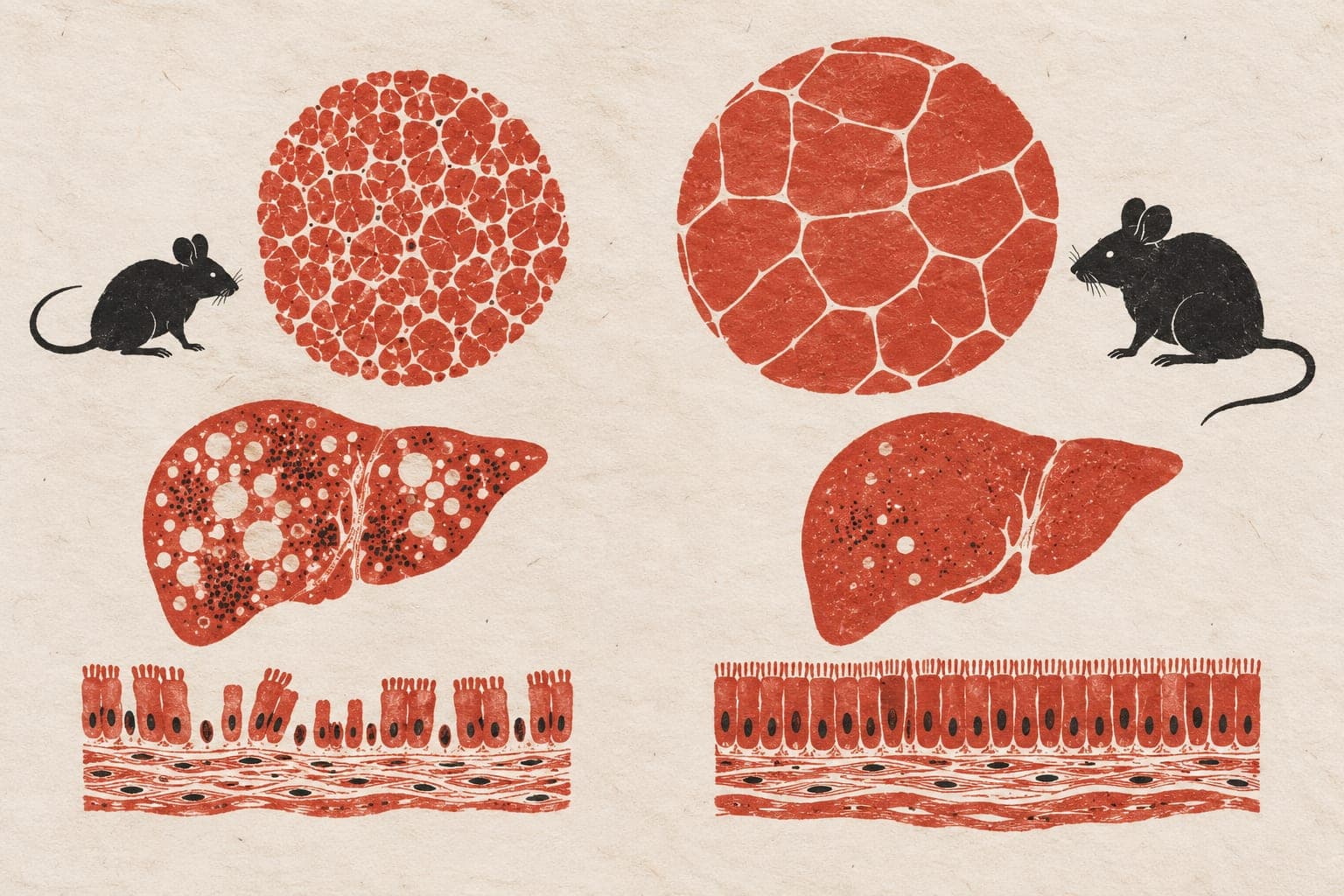
In a separate experiment, naturally aged mice received a pro-inflammatory diet for 10 weeks. The diet reduced grip strength and lean body mass and altered gut microbes and muscle metabolic profiles. Metabolic changes mainly involved pathways that process fats and amino acids, the building blocks of proteins. Combining human and mouse data identified shared gut-microbe patterns. The researchers suggested that gut microbes and changes in muscle metabolism may contribute to the association.
Why it matters
Sarcopenia raises questions about how nutrition relates to muscle aging. The shared gut-microbe patterns offer potential targets for future studies of mechanisms and nutritional interventions.
Caveats
The human study was observational, so it cannot establish that dietary inflammation caused sarcopenia. The dietary experiment was in aged mice, while the human gut-microbe analysis included only 86 participants.
The paper
The First Affiliated Hospital of Chongqing Medical University
Food & Function · 7 Oct 2026