Atractylenolide III attenuates age-related vertebral bone loss by suppressing macrophage inflammation and osteoclastogenesis
1 month
Abstract
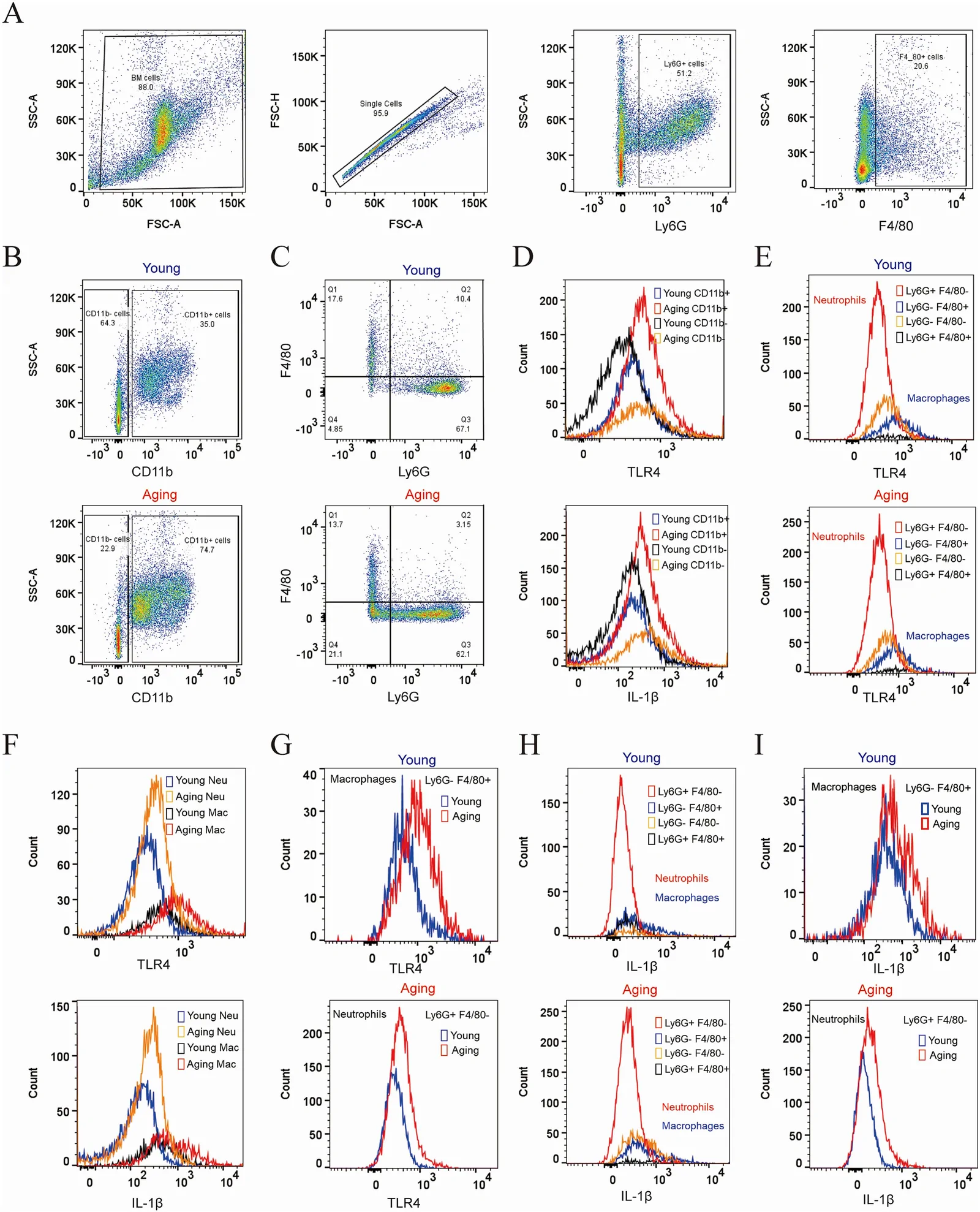
Age-related bone loss is driven in part by inflammatory remodeling of the bone marrow niche, which promotes macrophage activation and osteoclastogenesis. Atractylenolide III (AT-III) is a chemically defined sesquiterpene lactone with anti-inflammatory activity, but its skeletal effects in natural aging remain unclear. Bone marrow cells and macrophages from young and aged mice were evaluated by flow cytometry, ELISA, immunostaining, TRAP staining, RT-qPCR, and immunoblotting. Twenty-four-month-old male mice received vehicle or AT-III (10 or 20 mg/kg/day) for 1 month, followed by vertebral micro-computed tomography and histomorphometry. Aged bone marrow exhibited increased TLR4 and IL-1β signals in CD11b-positive myeloid cells, particularly a macrophage-enriched population. In aged bone marrow-derived macrophages, AT-III reduced TNF-α and IL-1β secretion, lowered TLR4 and IL-1β staining, and suppressed RANKL-induced osteoclast formation. AT-III-treated aged mice showed improved vertebral microarchitecture, increased osteoblast surface, and reduced osteoclast and eroded-surface indices without overt short-term changes in body weight or major-organ histology. AT-III also reduced phosphorylation of RelA and p50 and decreased Tlr4, Rela, and Nfkb1 expression. Exploratory network pharmacology and molecular docking independently prioritized TLR4/NF-κB-related signaling. These findings indicate that AT-III attenuates age-related vertebral bone loss and inflammatory osteoclastogenesis, while direct target engagement and causal pathway dependence remain to be established.