Old lung environment changes immune cell traits in mice
One lung immune cell population increased more than 10-fold in old mice compared with younger mice.
Nature Communications
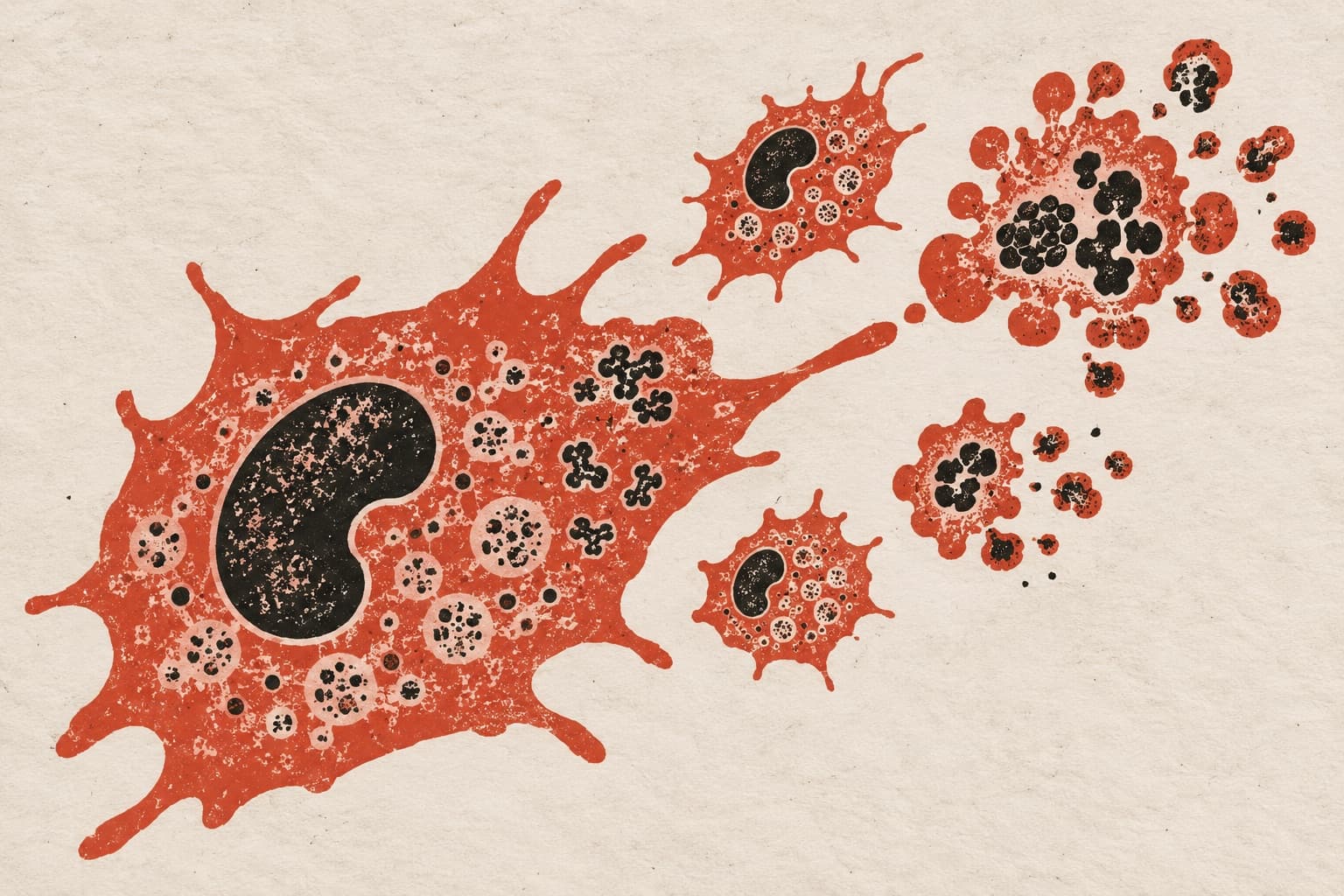
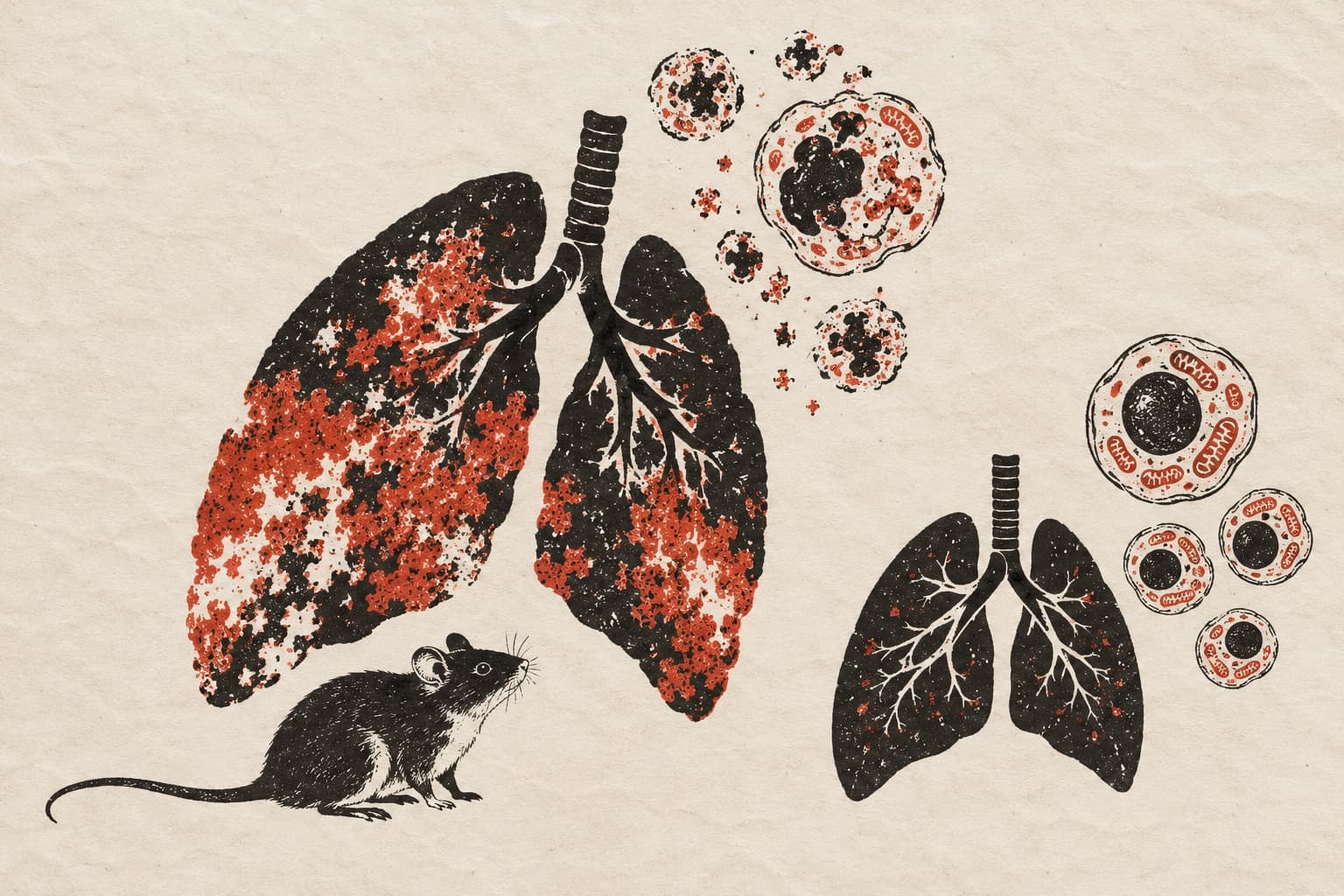
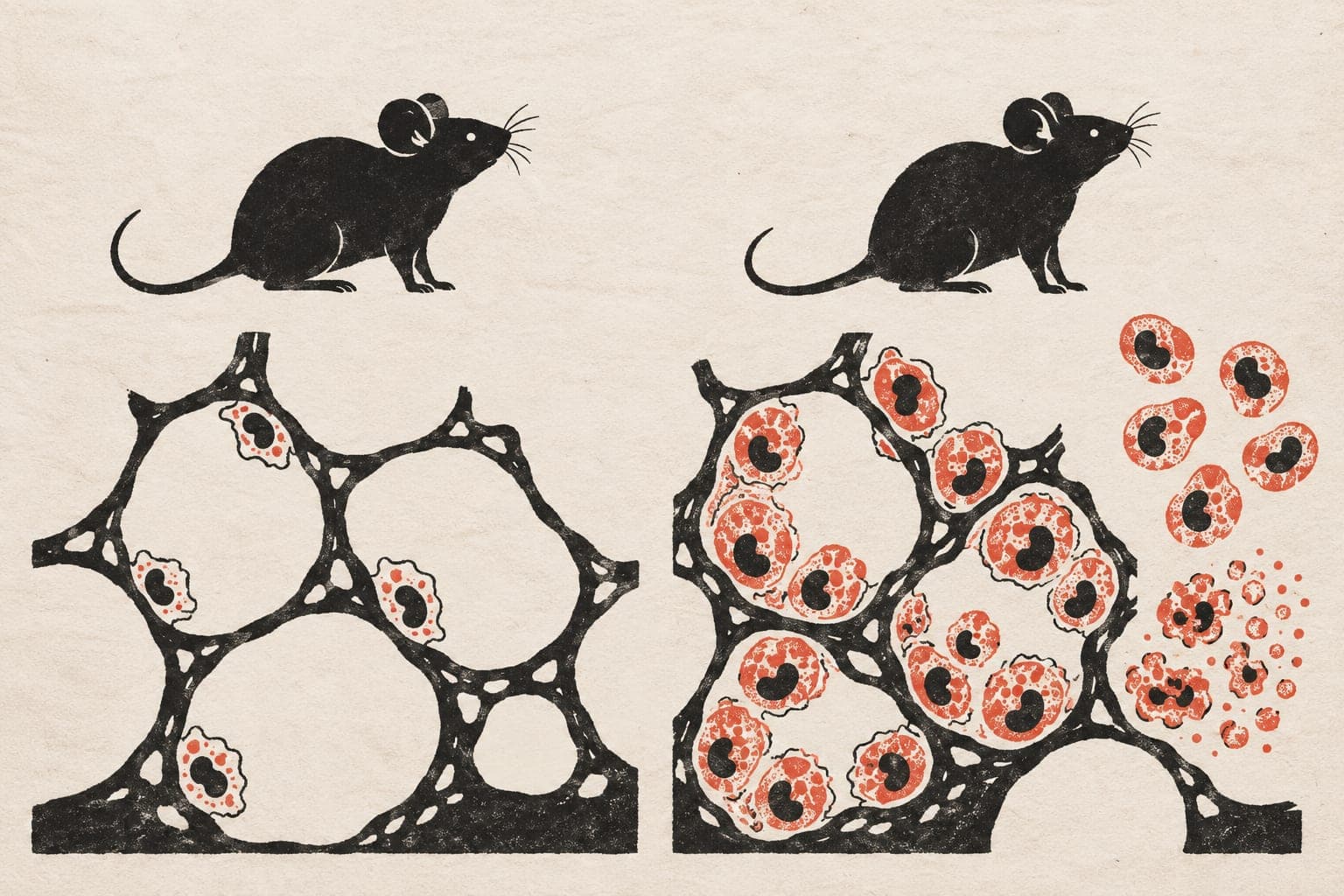
Experiments in mice found that the lung environment in healthy old age changed the characteristics of alveolar macrophages, immune cells that help keep lungs healthy. The researchers also examined these cells from non-human primates and humans. They identified three subpopulations in old age. One increased more than 10-fold across the mammalian species studied, with changes associated with heightened inflammation and disrupted immune regulation.
In mice, the old lung environment shifted resident macrophages towards this population’s characteristics. It also increased recruitment of macrophages derived from monocytes, another type of immune cell. This recruitment depended on CCR2, a protein involved in immune cell movement. The recruited cells were relatively short-lived and had high turnover because of apoptosis, a form of programmed cell death.
Why it matters
Chronic inflammation accompanies healthy aging and contributes to age-related disease. The work helps address how the aging lung environment may affect the immune cells that maintain lung health.
Caveats
The evidence for how the lung environment changed these cells came from mouse experiments, limiting what it can tell us about people.
The paper
Pahari S, Lumbreras M, Paul A et al.
Nature Communications · 7 Oct 2026 · CC BY