The triglyceride-glucose index as a predictor of cardiovascular disease: an umbrella review of meta-analyses
Abstract
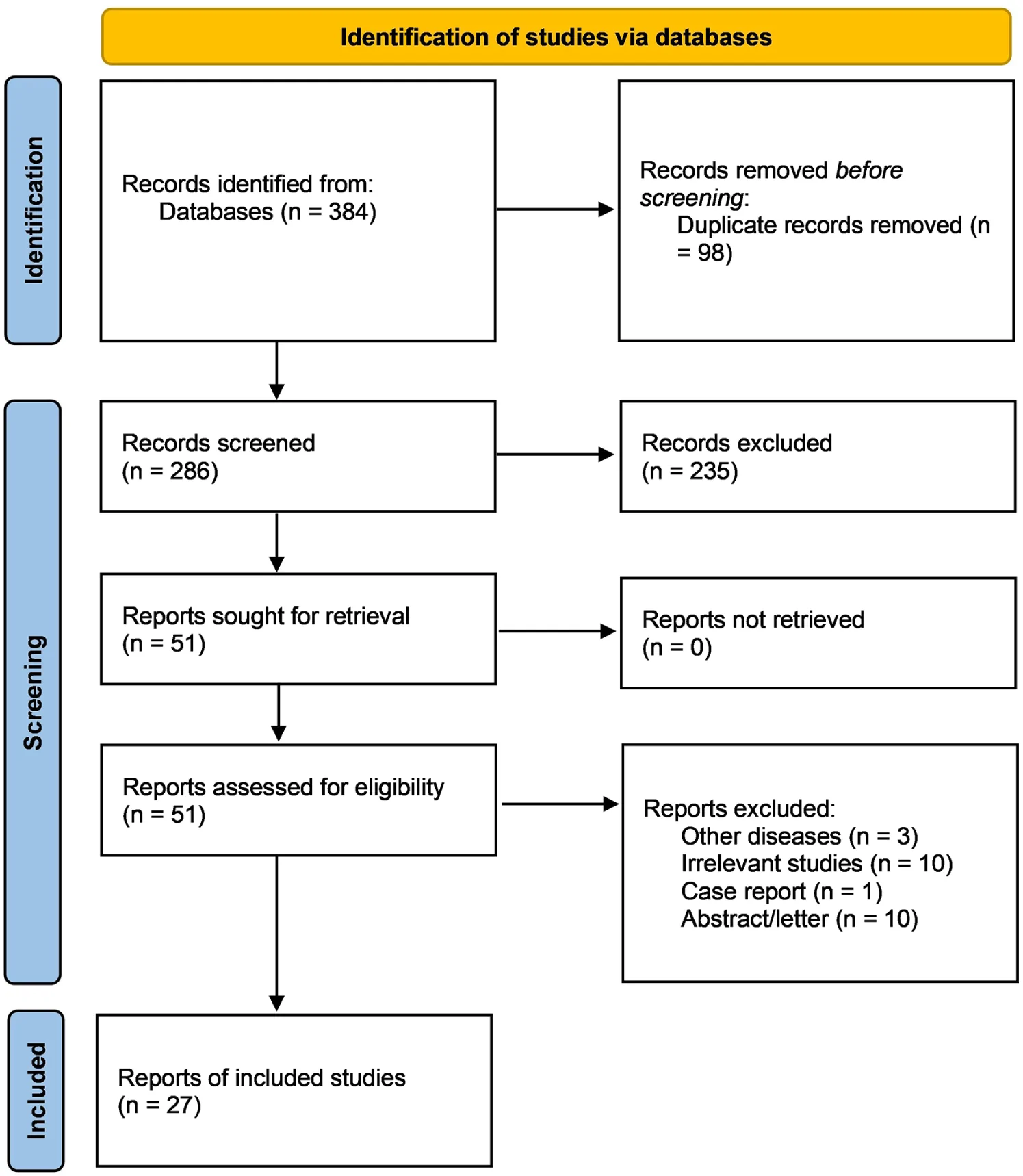
BACKGROUND: The triglyceride-glucose (TyG) index has gained recognition as a tool for assessing cardiovascular disease risk. This umbrella review synthesized findings from multiple meta-analyses examining the association between the TyG index and cardiovascular outcomes. METHODS: In this umbrella review of meta-analyses, we followed the Preferred Reporting Items for Systematic Reviews and Meta-Analyses (PRISMA) guidelines. RESULTS: A higher TyG index was associated with increased odds of arterial stiffness [categorical: odds ratio (OR) = 1.83, 95% confidence interval (CI): 1.55-2.17, P < 0.01; I ² = 68%; per 1-unit increase: OR = 1.51, 95% CI: 1.35-1.69, P < 0.01; I ² = 82%]; coronary artery stenosis (OR = 3.49, 95% CI: 1.71-7.12, P < 0.01; I ² = 0%); coronary artery calcification (CAC) (highest vs. lowest: OR = 1.66, 95% CI: 1.51-1.82, P < 0.01; I ² = 0%; continuous: OR = 1.73, 95% CI: 1.36-2.20, P < 0.01; I ² = 51%); CAC progression (categorical: OR = 1.66, 95% CI: 1.21-2.27, P < 0.01; I ² = 0%; continuous: OR = 1.47, 95% CI: 1.29-1.68, P < 0.01; I ² = 41%); and atrial fibrillation (AF) (categorical: OR = 1.98, 95% CI: 1.35-2.91, P < 0.01; I ² = 92%; continuous: OR = 1.80, 95% CI: 1.50-2.17, P < 0.01; I ² = 88%). CONCLUSION: Current meta-analytic evidence suggests that higher TyG index values are associated with several adverse cardiovascular outcomes. However, substantial heterogeneity and the generally low methodological quality of the included meta-analyses limit confidence in the magnitude and clinical applicability of these associations. The TyG index may serve as an adjunctive cardiovascular risk marker, but further high-quality prospective validation is required before routine clinical implementation.
- Triglyceride-glucose index
- Cardiovascular disease
- Arterial stiffness
- Atrial fibrillation
- Coronary artery calcification
- Coronary artery stenosis
The paper
Guilan University of Medical Sciences; Hormozgan University of Medical Sciences
Annals of Medicine and Surgery, 27 Aug 2026