Blood-marker patterns linked to death risk in older Chinese adults
Moderate-low and high index patterns were linked to 1.104-fold and 1.243-fold mortality risks, respectively; the abstract did not name the comparison group.
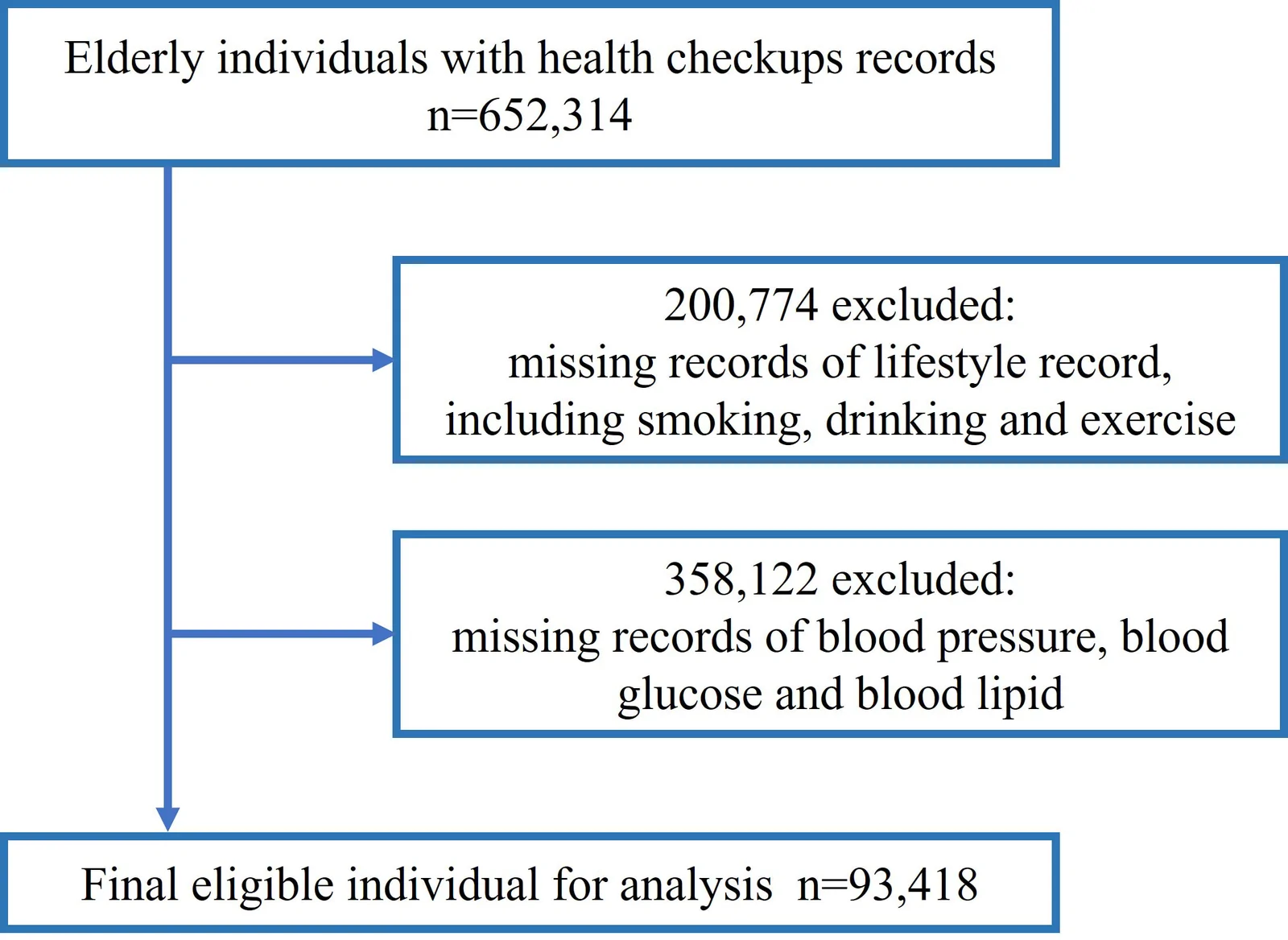
In 93,418 older Chinese adults, a retrospective observational cohort study linked certain long-term patterns of a blood-based index to higher mortality risk. Participants underwent repeated health assessments at The Third Xiangya Hospital of Central South University between 2012 and 2020. Researchers calculated the triglyceride-glucose index, which combines fasting blood sugar and triglycerides, a type of blood fat.
Over a median follow-up of 5.4 years, 7,364 participants died. Researchers classified index patterns as low, moderate-low, moderate or high. After adjustment for other factors, moderate-low and high patterns were associated with higher risk of death from any cause. The final results reported no significant association for the low group. Higher starting index values were also associated with higher mortality risk.
Why it matters
Tracking heart and metabolic health over time may help assess mortality risk in older adults. The authors suggested that these patterns may support the development of targeted preventive and therapeutic interventions.
Caveats
This observational study cannot establish that changing the index would change mortality risk. The cohort included older adults who underwent repeated health assessments at one hospital.
The paper
The First Affiliated Hospital
Reviews in Cardiovascular Medicine, 16 Sep 2026