TyG-waist index predicts cardiovascular events in older adults
In 4,169 older adults tracked for 6 years, each standard-deviation increase in baseline TyG-waist circumference was linked to a 5.5% reduction in time to a cardiovascular event.
Frontiers in Endocrinology
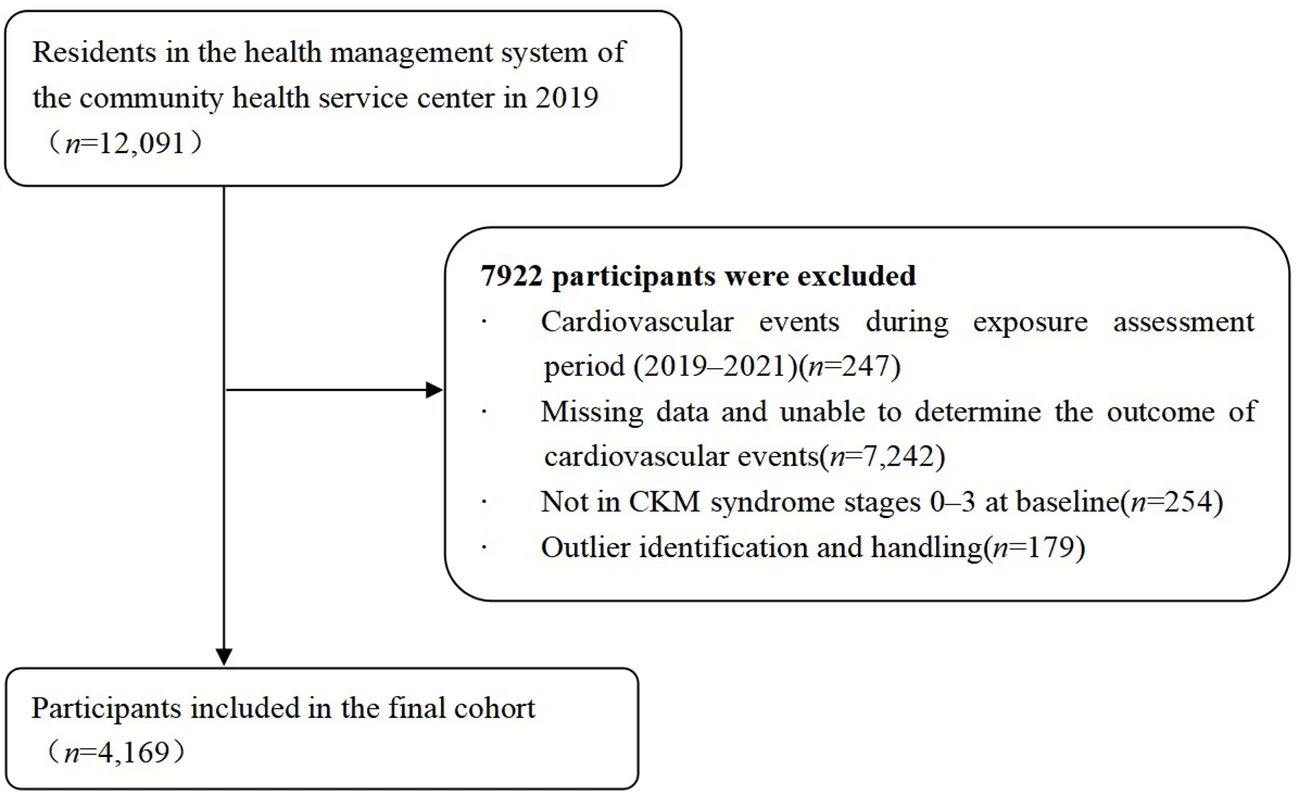
In a cohort of 4,169 rural Chinese adults aged 65 and older with cardiovascular-kidney-metabolic syndrome stages 0 to 3, researchers evaluated whether the triglyceride-glucose index and its obesity-related derivatives could predict cardiovascular events. Over 6 years of follow-up, 822 participants experienced an event.
Baseline and cumulative measures of the triglyceride-glucose index combined with waist circumference (TyG-WC) or waist-to-height ratio were consistently associated with earlier cardiovascular events. Each standard-deviation increment in baseline TyG-WC was linked to a 5.5% reduction in time to an event, and 2-year cumulative exposure was linked to a 6.1% reduction. Baseline and cumulative TyG-WC showed optimal predictive performance among the indices. In contrast, annual mean changes performed poorly and were largely not significantly associated with cardiovascular events, suggesting sustained metabolic exposure is more informative than short-term fluctuations.
Why it matters
Insulin resistance and central adiposity are key metabolic factors that accumulate during aging. These findings suggest that tracking sustained metabolic exposure may help identify older individuals at heightened risk for cardiovascular complications.
Caveats
The observational, retrospective design cannot establish causality, and the cohort was drawn entirely from four rural primary care centers in one region of China. In addition, the authors note that TyG-based indices should serve as auxiliary tools rather than replacements for established cardiovascular risk-assessment instruments.
- Cardiovascular disease
- Cardiovascular-kidney-metabolic syndrome
- Triglyceride-glucose index
- TyG-WC
- TyG-BMI
- Humans
The paper
Nanjing University of Chinese Medicine
Frontiers in Endocrinology · 30 Sep 2026