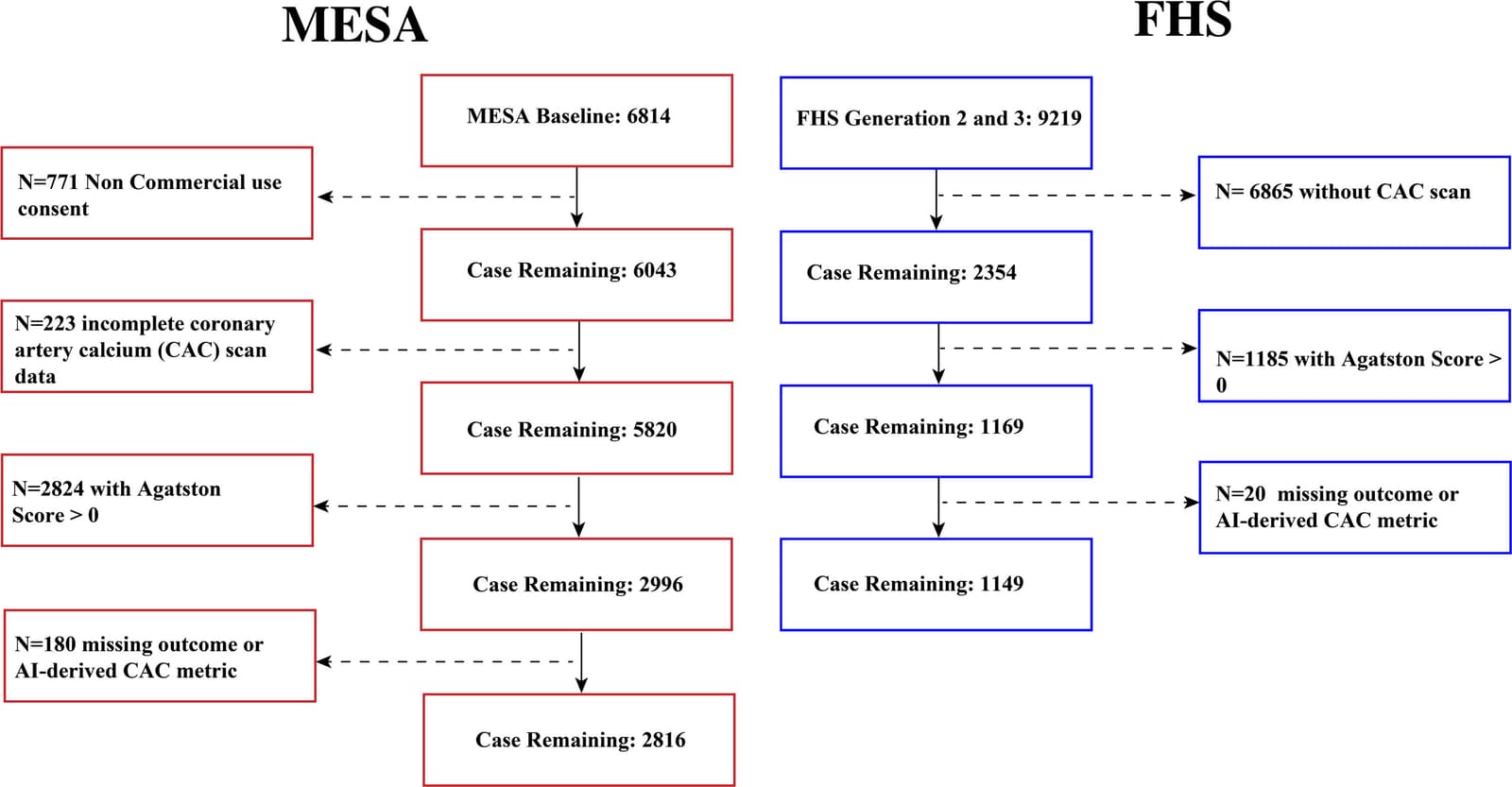
Figure 1
Figure 1From American Journal of Preventive Cardiology
Humans

AI detects coronary calcium in adults with zero scores

In individuals with conventional zero scores, AI-detected calcium tracked a 7.7% 20-year coronary heart disease incidence compared with 3.8% in those without.

American Journal of Preventive Cardiology

In a pooled analysis of 3,965 human participants from the Multi-Ethnic Study of Atherosclerosis and the Framingham Heart Study with conventional coronary artery calcium scores of zero, an artificial intelligence tool identified previously undetected calcification. Conventional Agatston scoring uses fixed thresholds and thick slices that can miss early, small, or low-density plaques. The new Agatston-2.0 method applies continuous voxel-wise quantification without fixed attenuation thresholds to detect early arterial changes.

The AI framework detected calcium in 862 participants, representing 21.7% of the cohort. Over up to 20 years of follow-up, participants with positive AI-derived calcium scores experienced higher coronary heart disease incidence (7.7% versus 3.8%) and higher adjusted risk of incident disease (hazard ratio 1.71). A positive AI score also predicted progression to a positive conventional calcium score (adjusted hazard ratio 1.95).

Why it matters

Coronary calcification is a hallmark of vascular aging and cardiovascular risk. Identifying subclinical calcification in people previously thought to have zero burden could improve early detection of age-related arterial disease.

Caveats

The study is observational and pooled data from two cohorts, meaning the AI framework requires validation in additional populations before it can be used as a standard clinical measure.

The paper

Agatston-2.0: A next-generation AI-based coronary calcium quantification approach to improve risk stratification among individuals with zero Agatston scores - Part I: An AI-CVD Study within the Multi-Ethnic Study of Atherosclerosis and Framingham Heart Study

Naghavi M, Azimi A, Atlas K et al.

American Journal of Preventive Cardiology · 6 Jun 2026
bioRxivAnimalsPreprint

Hypothalamic tau impairs pair bonding in male prairie voles

Expressing mutant tau in the paraventricular hypothalamus stopped 18-month-old male prairie voles from forming selective bonds and altered their…Expressing mutant tau in the paraventricular hypothalamus stopped 18-month-old male prairie voles from forming selective bonds and altered their oxytocin signaling. In monogamous prairie voles, expressing dementia-linked tau P301L in the hypothalamus disrupts selective social bonds…

Neurology Open AccessHumans

Epigenetic age links to higher dementia risk in older adults

In 2,606 participants, higher DunedinPACE was associated with increased risks of mild cognitive impairment (hazard ratio 1.16) and all-cause dementia…In 2,606 participants, higher DunedinPACE was associated with increased risks of mild cognitive impairment (hazard ratio 1.16) and all-cause dementia (hazard ratio 1.30). In 2,606 Framingham Heart Study Offspring cohort participants (mean age 66 years), researchers examined how three DNA…

Frontiers in NutritionHumans

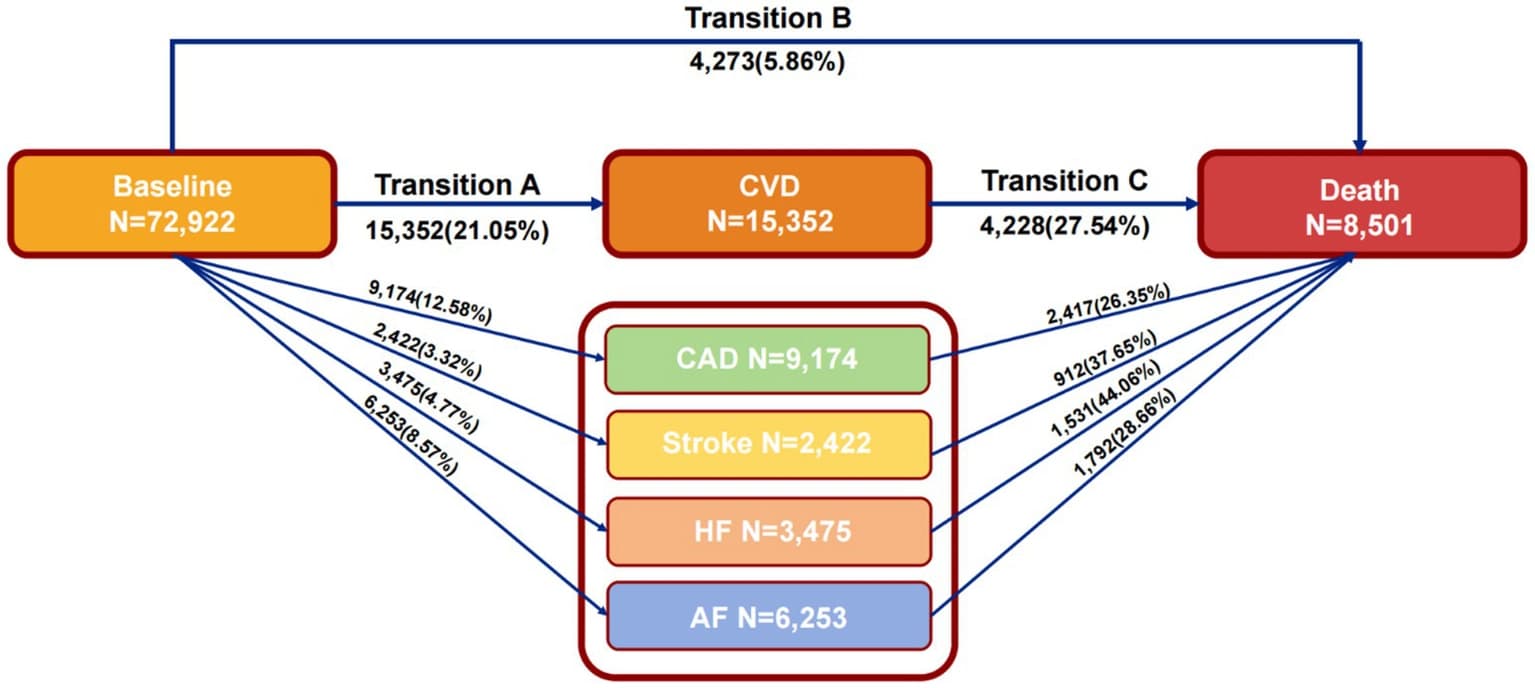
Cardiometabolic burden increases CVD and death risk in MASLD

In 72,922 adults with MASLD, each additional cardiometabolic risk factor raised hazard ratios for incident CVD to 1.17 and subsequent death to 1.13.In 72,922 adults with MASLD, each additional cardiometabolic risk factor raised hazard ratios for incident CVD to 1.17 and subsequent death to 1.13. A prospective cohort study tracked 72,922 UK adults with metabolic dysfunction-associated steatotic liver disease over a median follow-up of…

Figure 1
Frontiers in PhysiologyHuman trial

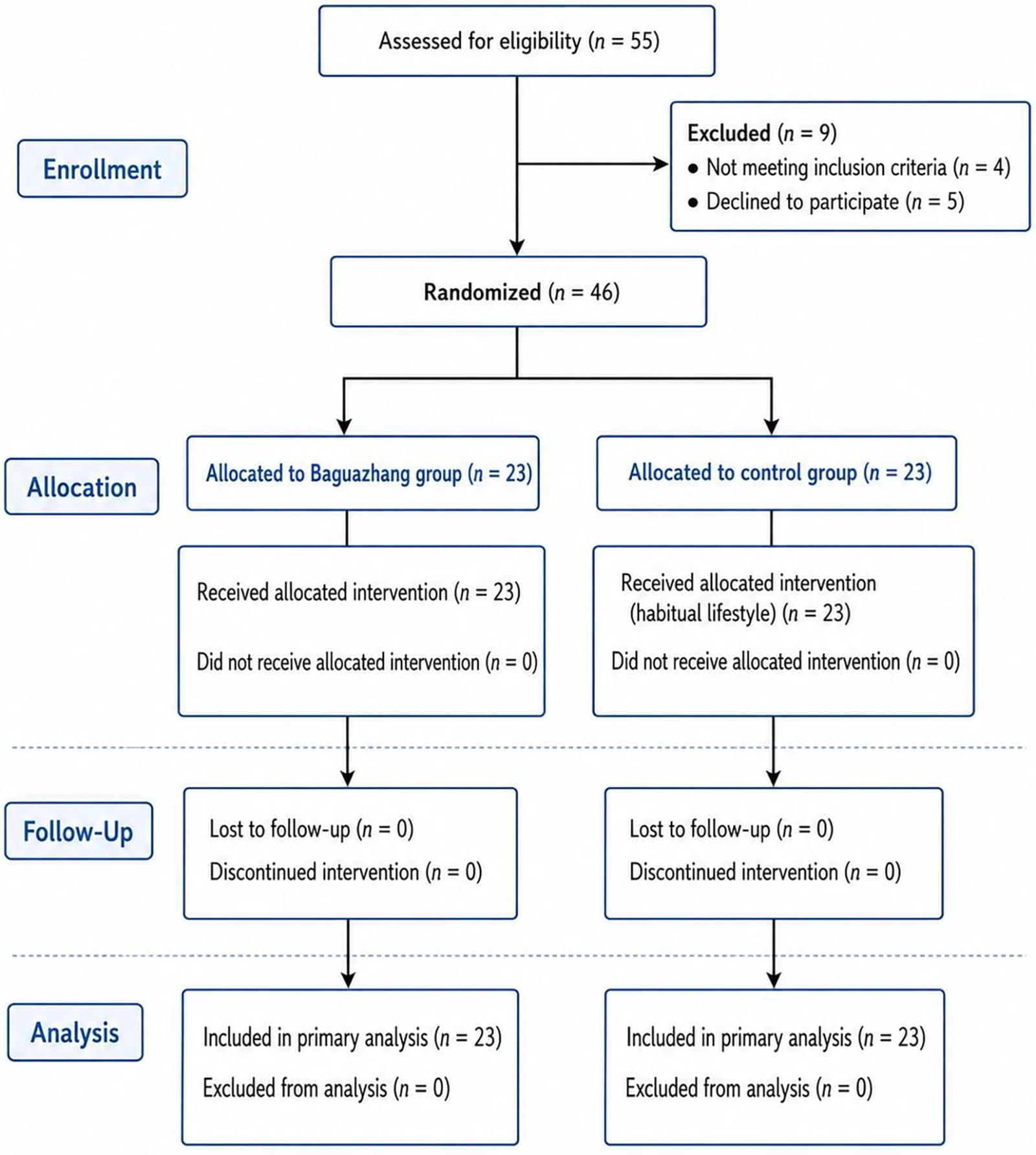
Baguazhang lowers systolic blood pressure in postmenopausal women

In a randomized trial, 12 weeks of the mind-body exercise lowered systolic blood pressure by 7.2 mmHg compared with habitual lifestyle.In a randomized trial, 12 weeks of the mind-body exercise lowered systolic blood pressure by 7.2 mmHg compared with habitual lifestyle. Forty-six sedentary postmenopausal women enrolled in a 12-week randomized controlled trial evaluating Baguazhang, a traditional Chinese mind-body…

Figure 1