Hypothalamic tau impairs pair bonding in male prairie voles
Expressing mutant tau in the paraventricular hypothalamus stopped 18-month-old male prairie voles from forming selective bonds and altered their oxytocin signaling.
bioRxiv
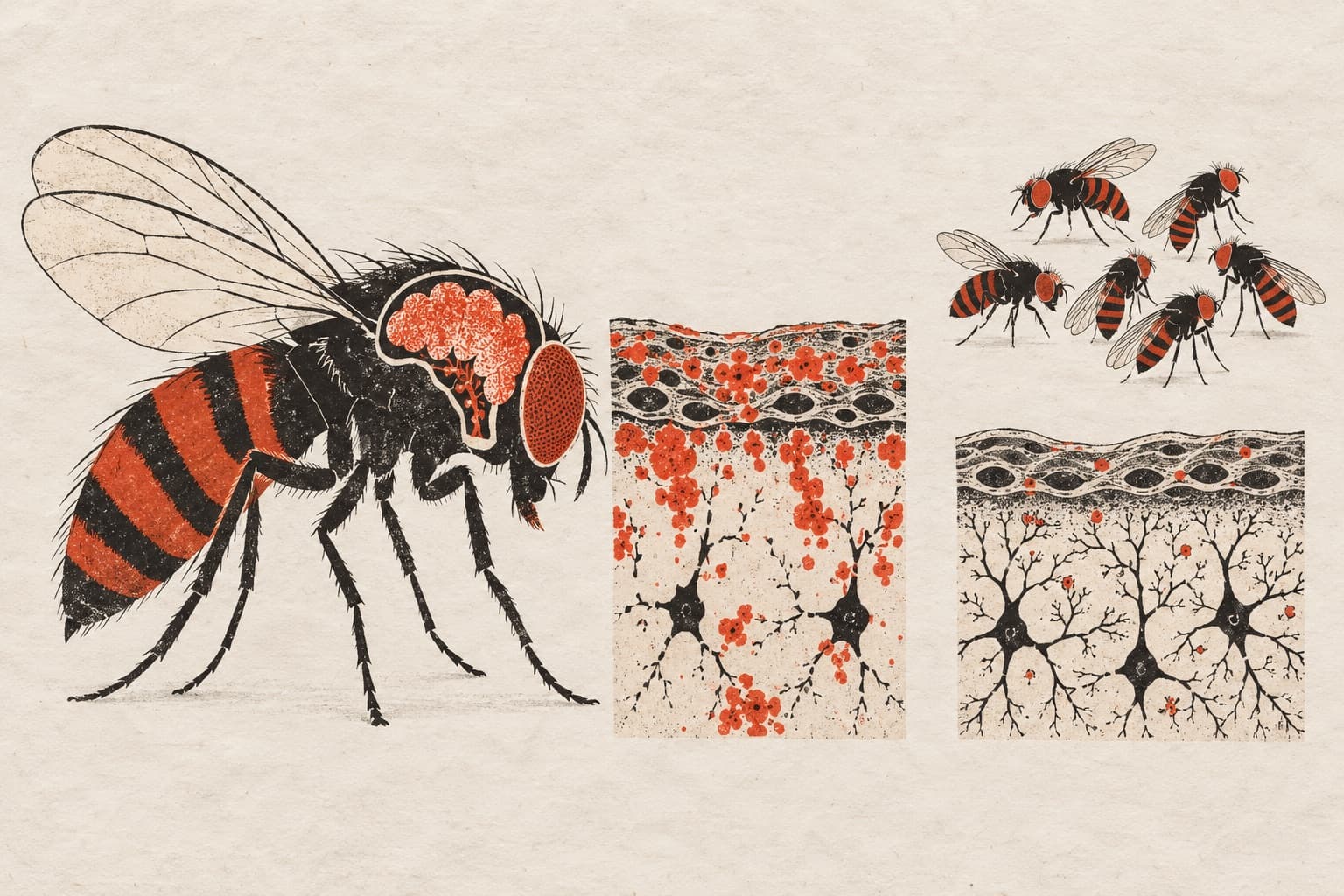
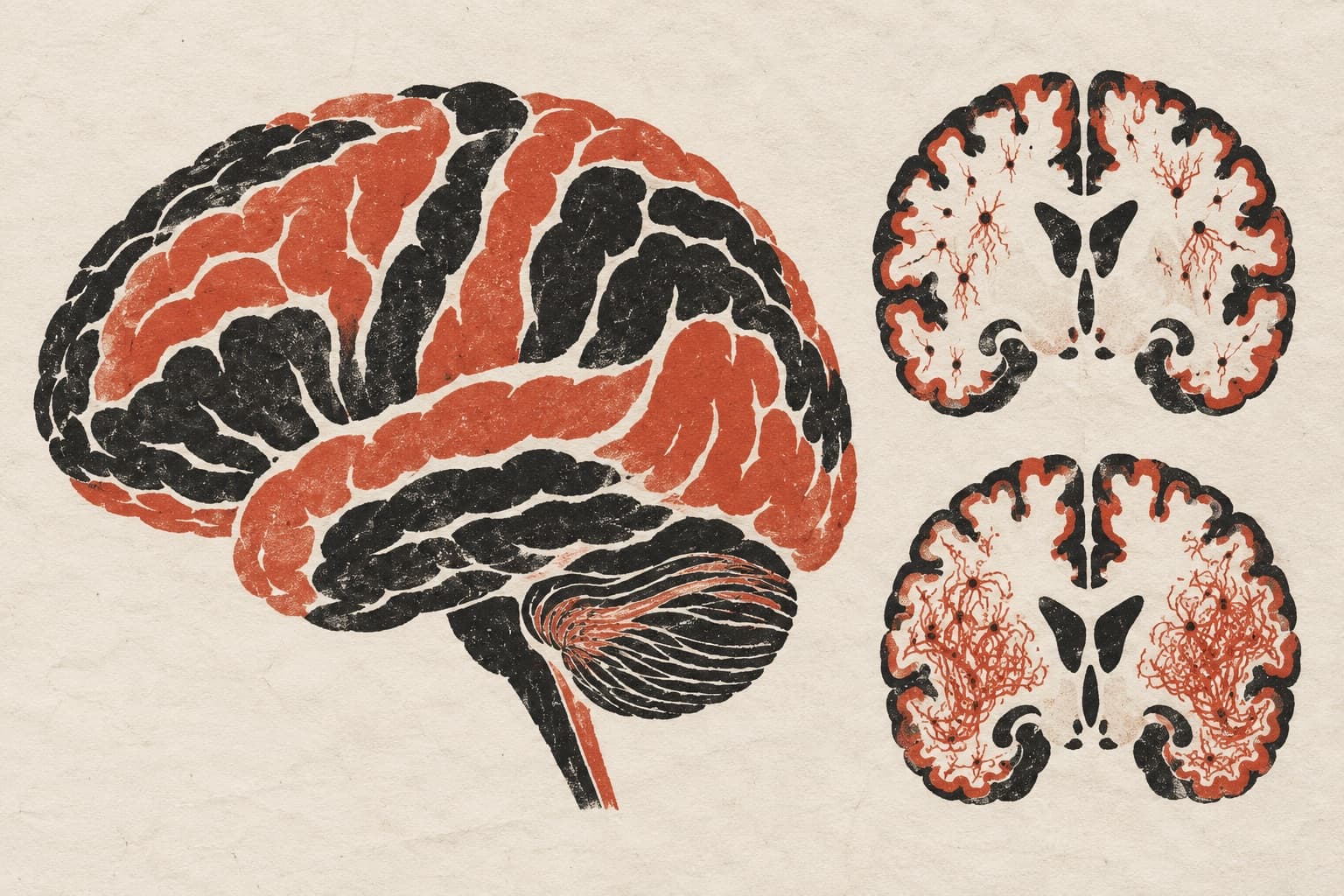
In monogamous prairie voles, expressing dementia-linked tau P301L in the hypothalamus disrupts selective social bonds, according to a preprint on bioRxiv. Researchers introduced the mutant tau into the paraventricular hypothalamus of 12- and 18-month-old voles, while separately testing hippocampocortical expression from birth through 18 months. Hippocampocortical tau did not induce social or non-social dementia-related deficits. In contrast, hypothalamic tau caused age- and sex-dependent bonding failures. Only 18-month-old males with hypothalamic pathology failed to form pair bonds, showed blunted sociability, and had elevated oxytocin fluorescence. In addition, healthy 18-month-old males paired with hypothalamic tau-expressing females displayed reduced partner preference, revealing vicarious effects on mates. Female social behavior remained unaffected across all conditions.
Why it matters
Dementia often damages personal attachments and increases caregiver burden, but standard laboratory rodents do not model long-term selective attachments. These findings identify hypothalamic tau pathology and altered oxytocin signaling as potential drivers of relationship breakdown in aging.
Caveats
The findings come from a preprint that has not yet completed peer review, and results in prairie voles may not directly translate to human neurodegenerative diseases.
The paper
Hypothalamic tau P301L pathology disrupts pair bonding in monogamous prairie voles
University of Colorado Boulder
bioRxiv · 2 Oct 2026 · Preprint, not peer-reviewed