Graphical abstract
Graphical abstractFrom American Journal of Preventive Cardiology
Humans

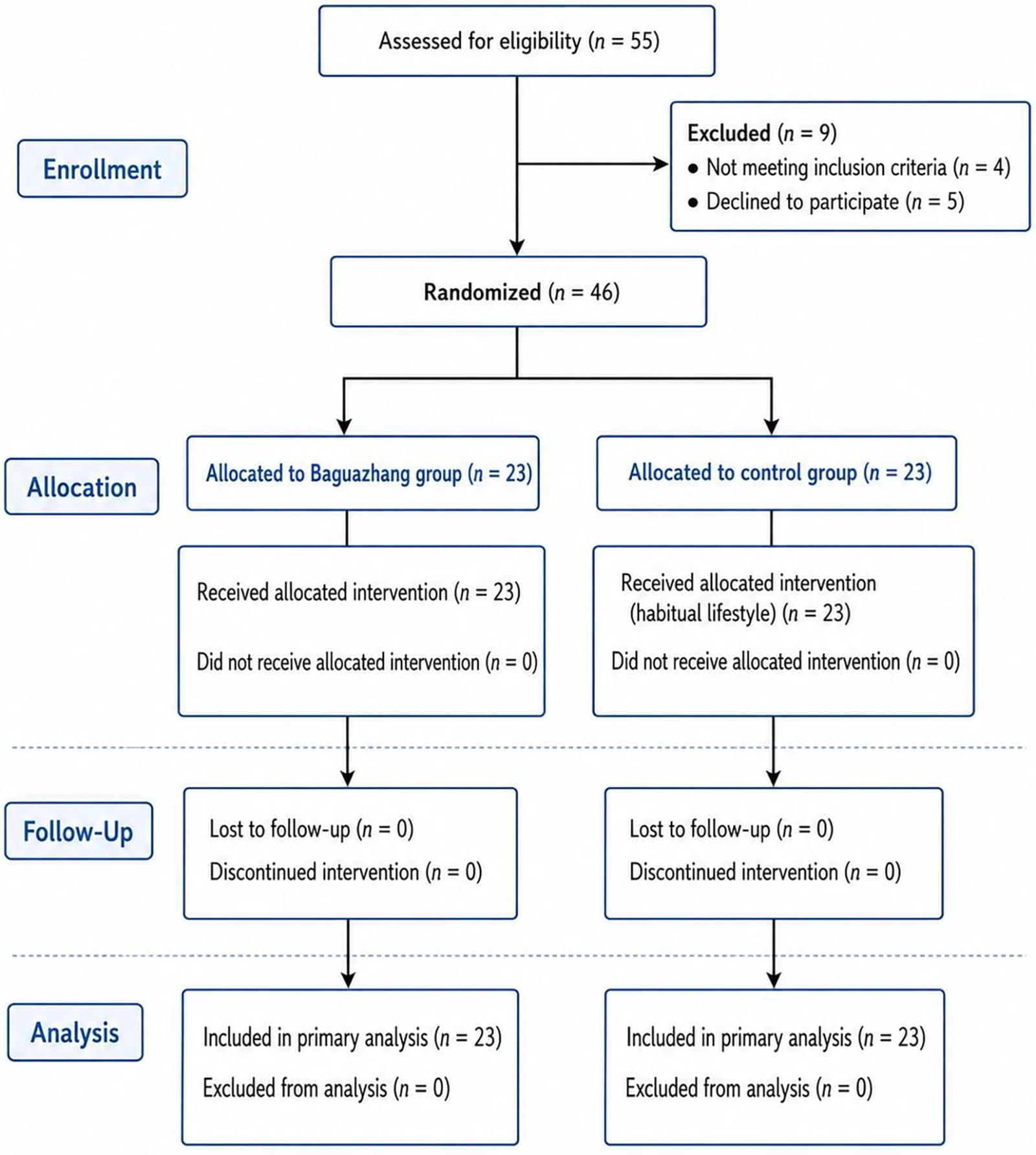
Waterpipe smoking links to higher cardiovascular mortality

Ever-smokers of waterpipes had a higher risk of cardiovascular death (HR 1.57) compared with never-smokers across an 11-year median follow-up.

American Journal of Preventive Cardiology

In a prospective cohort of 35,646 Vietnamese adults aged 18 and older, researchers examined how ever-smoking waterpipe tobacco affects cardiovascular disease mortality. Participants were recruited between 2007 and 2019 for the Hanoi Prospective Cohort Study and followed for a median of 11.01 years. Over this period, the authors identified 344 cardiovascular deaths. Compared with never-smokers, waterpipe smokers showed a higher risk of cardiovascular death (HR=1.57) and cerebrovascular death (HR=1.44). Dual smokers of both waterpipes and cigarettes experienced the greatest risk of cardiovascular death (HR=1.77). Furthermore, waterpipe smokers with at least 11 pack-years who also drank alcohol faced more than double the risk of cardiovascular mortality (HR=2.19) compared with non-smokers who did not consume alcohol.

Why it matters

Cardiovascular diseases represent a primary driver of age-related mortality and vascular deterioration worldwide. Demonstrating that waterpipe smoking substantially contributes to fatal vascular outcomes highlights an under-recognized environmental driver of vascular aging.

Caveats

The study is observational and restricted to a cohort from Northern Vietnam, meaning findings may not fully generalize to other populations or smoking patterns.

The paper

Waterpipe smoking and risk of cardiovascular disease mortality: Findings from a Prospective Cohort Study

Le NT, Nguyen HL, Le LT et al.

American Journal of Preventive Cardiology · 28 Feb 2026
bioRxivAnimalsPreprint

Hypothalamic tau impairs pair bonding in male prairie voles

Expressing mutant tau in the paraventricular hypothalamus stopped 18-month-old male prairie voles from forming selective bonds and altered their…Expressing mutant tau in the paraventricular hypothalamus stopped 18-month-old male prairie voles from forming selective bonds and altered their oxytocin signaling. In monogamous prairie voles, expressing dementia-linked tau P301L in the hypothalamus disrupts selective social bonds…

Neurology Open AccessHumans

Epigenetic age links to higher dementia risk in older adults

In 2,606 participants, higher DunedinPACE was associated with increased risks of mild cognitive impairment (hazard ratio 1.16) and all-cause dementia…In 2,606 participants, higher DunedinPACE was associated with increased risks of mild cognitive impairment (hazard ratio 1.16) and all-cause dementia (hazard ratio 1.30). In 2,606 Framingham Heart Study Offspring cohort participants (mean age 66 years), researchers examined how three DNA…

Frontiers in NutritionHumans

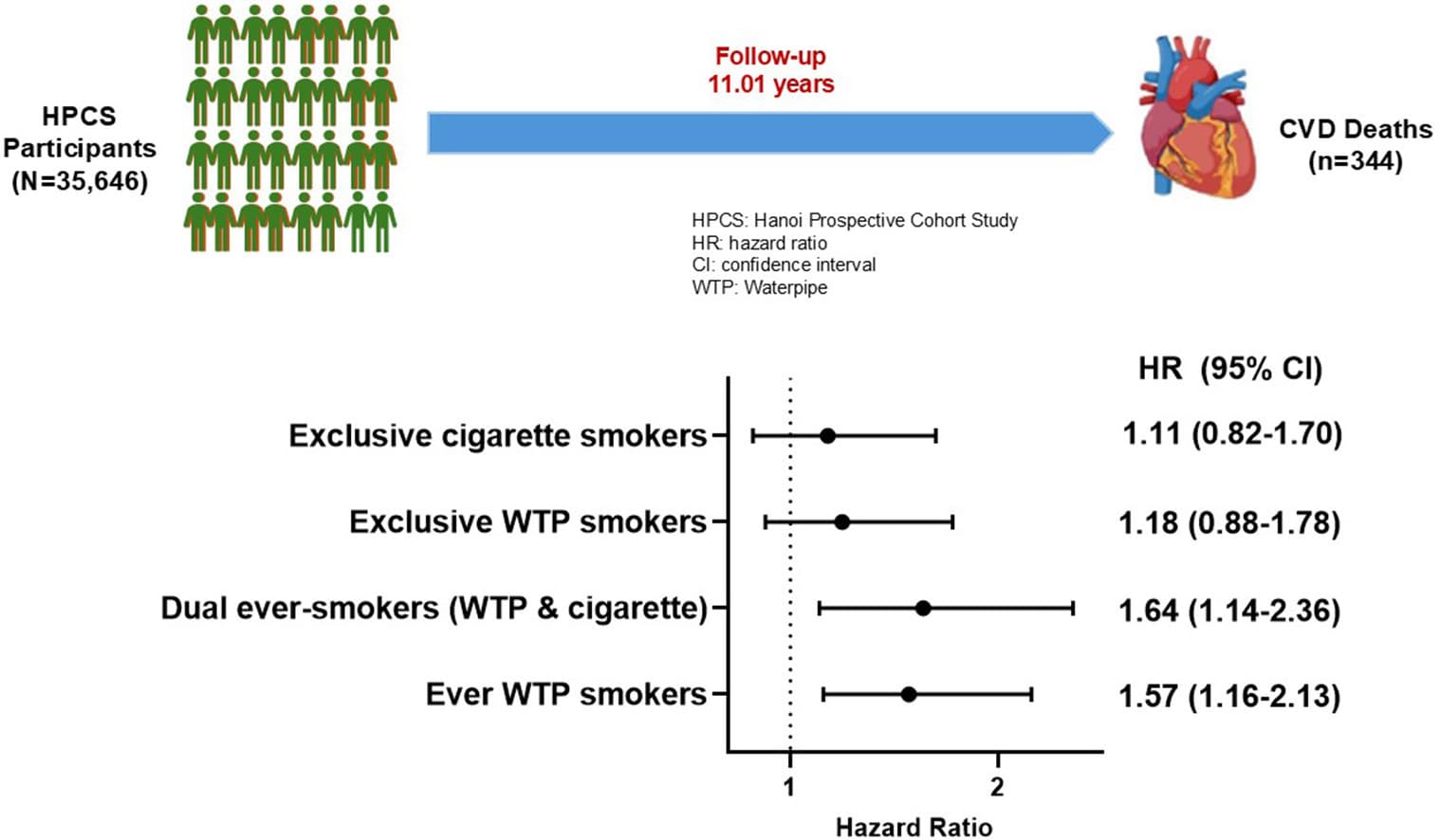
Cardiometabolic burden increases CVD and death risk in MASLD

In 72,922 adults with MASLD, each additional cardiometabolic risk factor raised hazard ratios for incident CVD to 1.17 and subsequent death to 1.13.In 72,922 adults with MASLD, each additional cardiometabolic risk factor raised hazard ratios for incident CVD to 1.17 and subsequent death to 1.13. A prospective cohort study tracked 72,922 UK adults with metabolic dysfunction-associated steatotic liver disease over a median follow-up of…

Figure 1
Frontiers in PhysiologyHuman trial

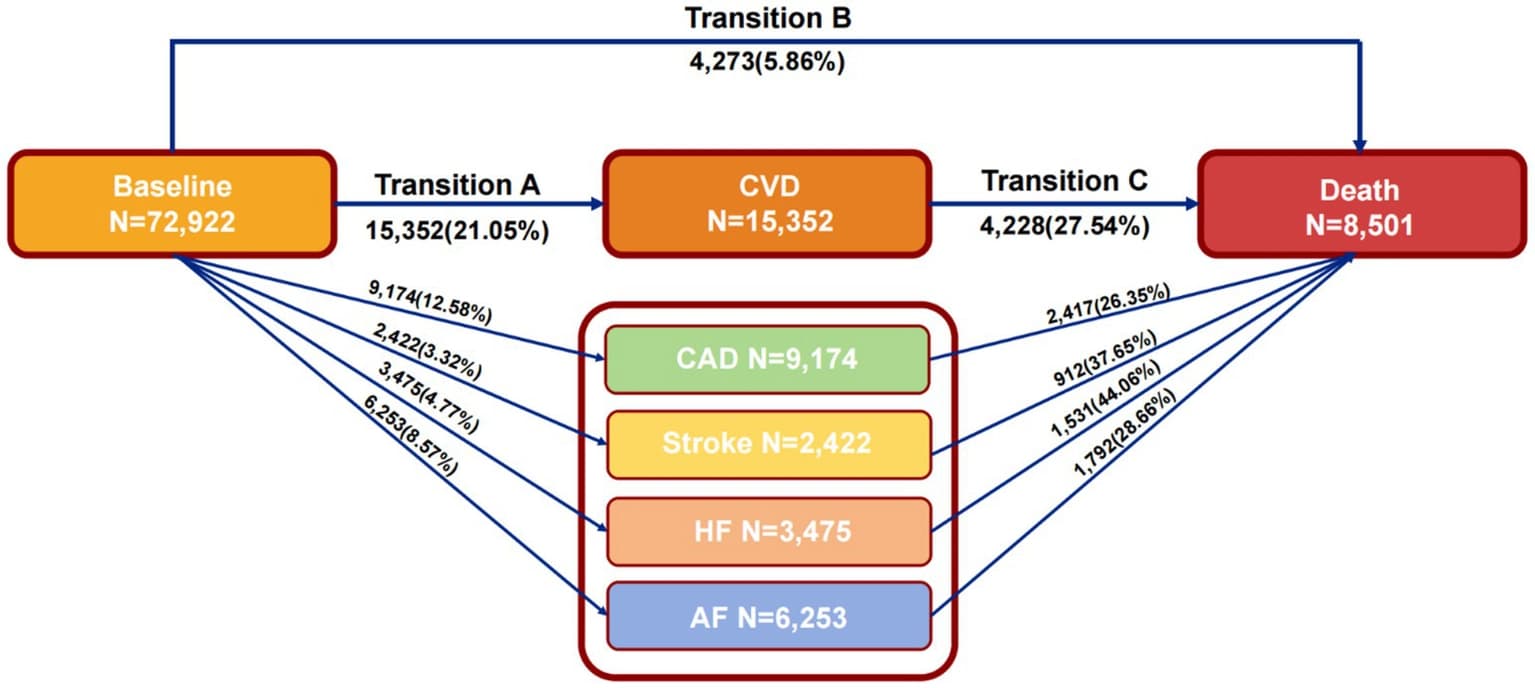
Baguazhang lowers systolic blood pressure in postmenopausal women

In a randomized trial, 12 weeks of the mind-body exercise lowered systolic blood pressure by 7.2 mmHg compared with habitual lifestyle.In a randomized trial, 12 weeks of the mind-body exercise lowered systolic blood pressure by 7.2 mmHg compared with habitual lifestyle. Forty-six sedentary postmenopausal women enrolled in a 12-week randomized controlled trial evaluating Baguazhang, a traditional Chinese mind-body…

Figure 1