Inflammaging and osteoarthritis - therapeutic opportunities
Abstract
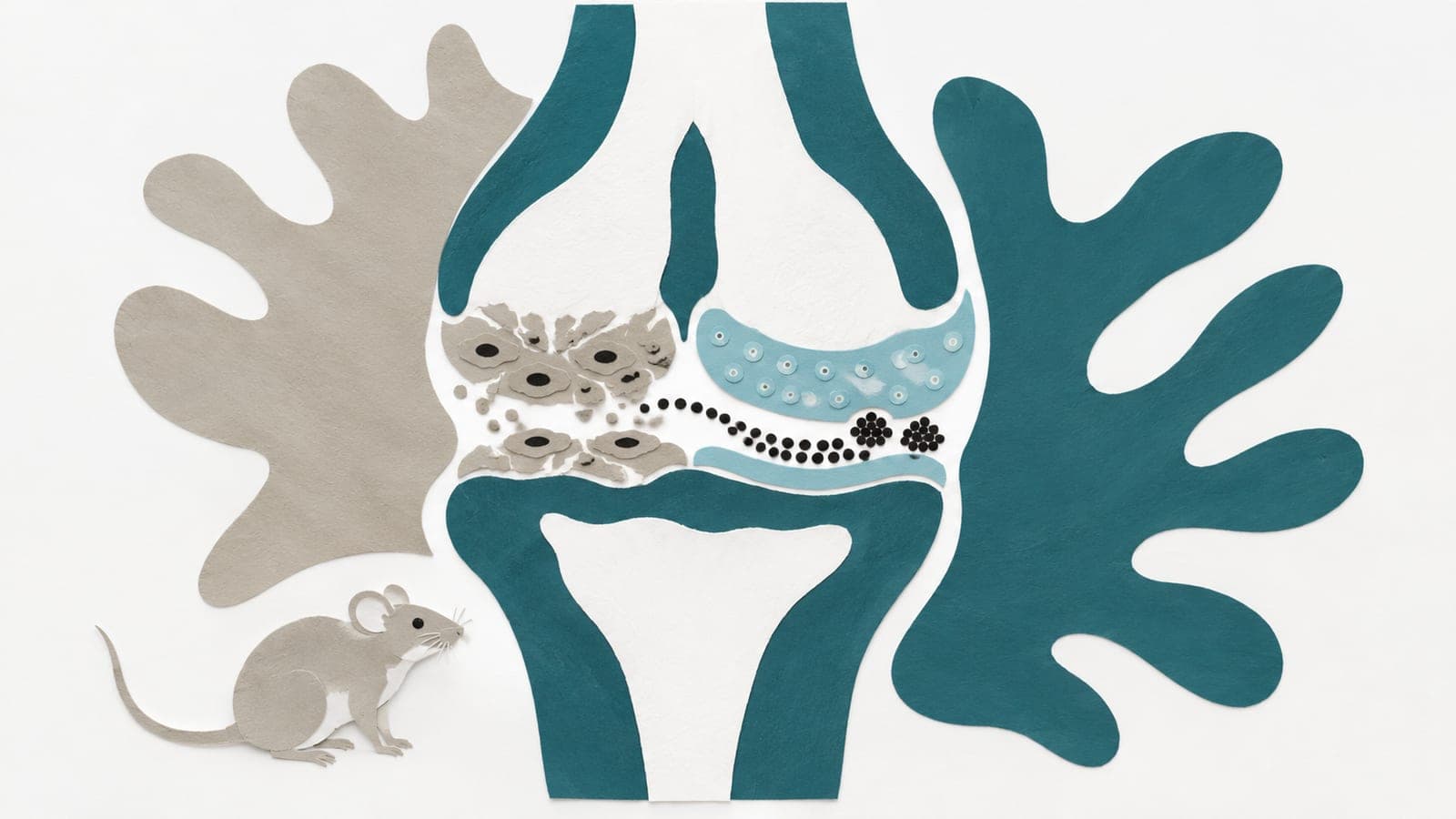
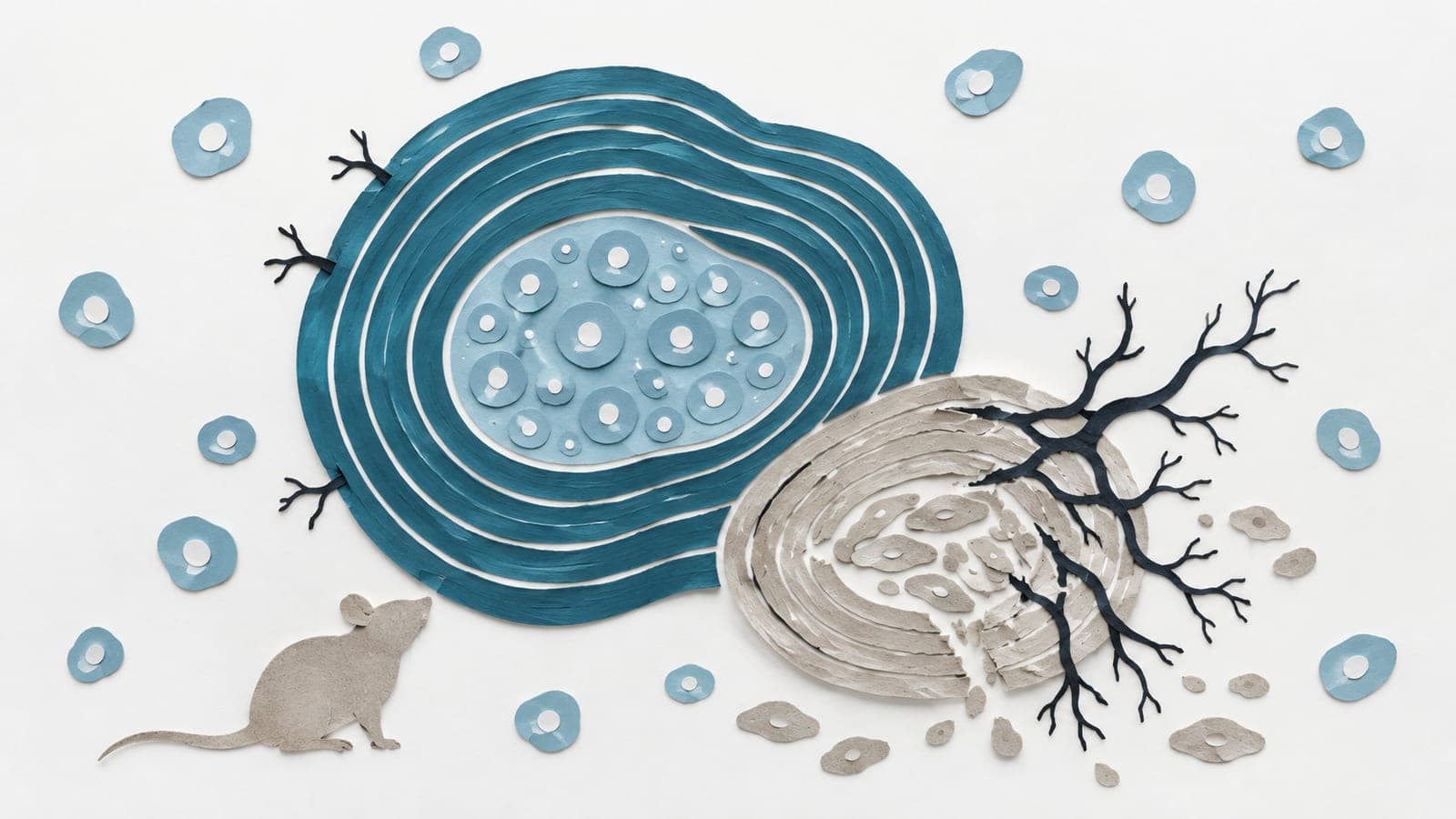
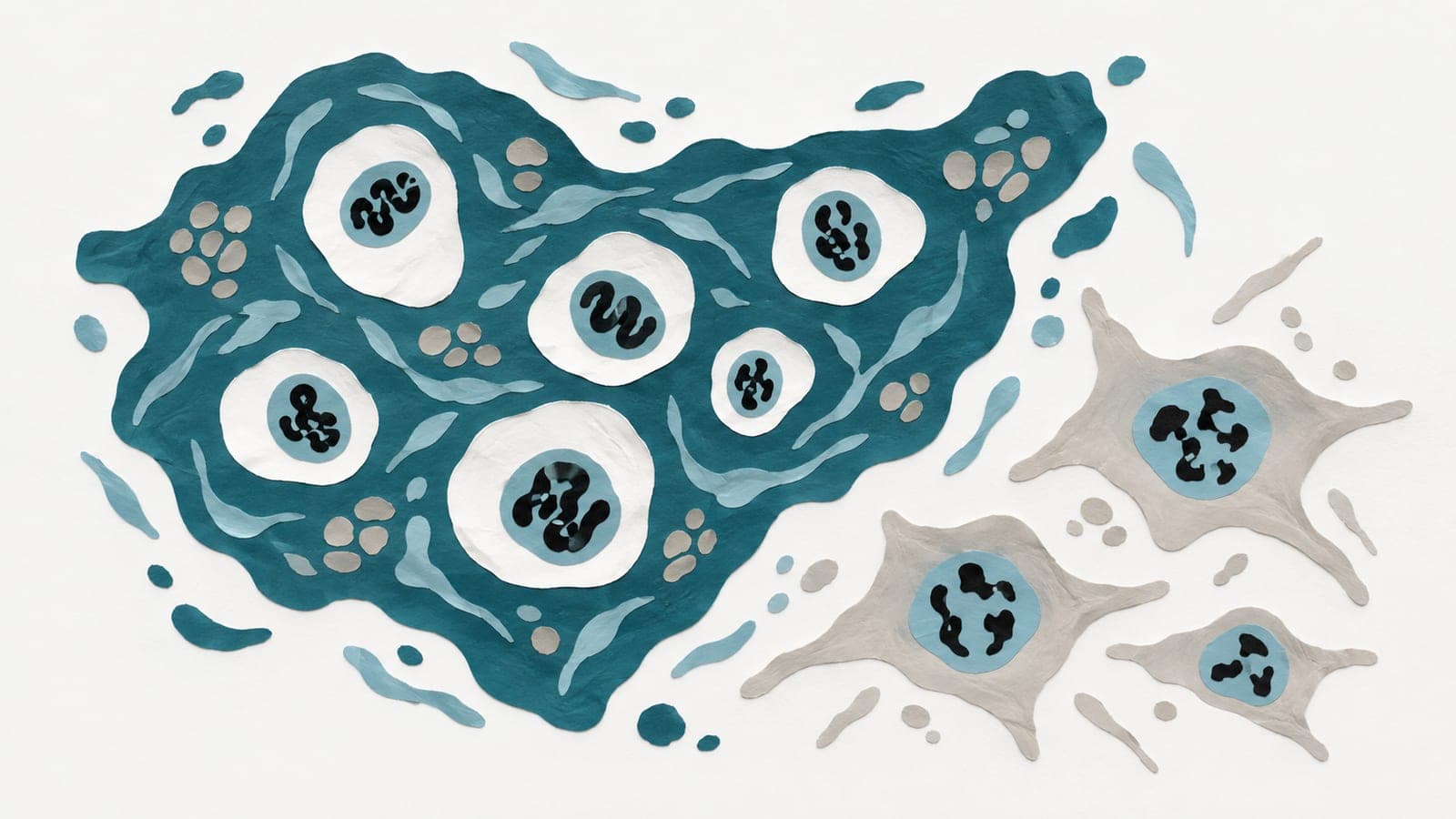
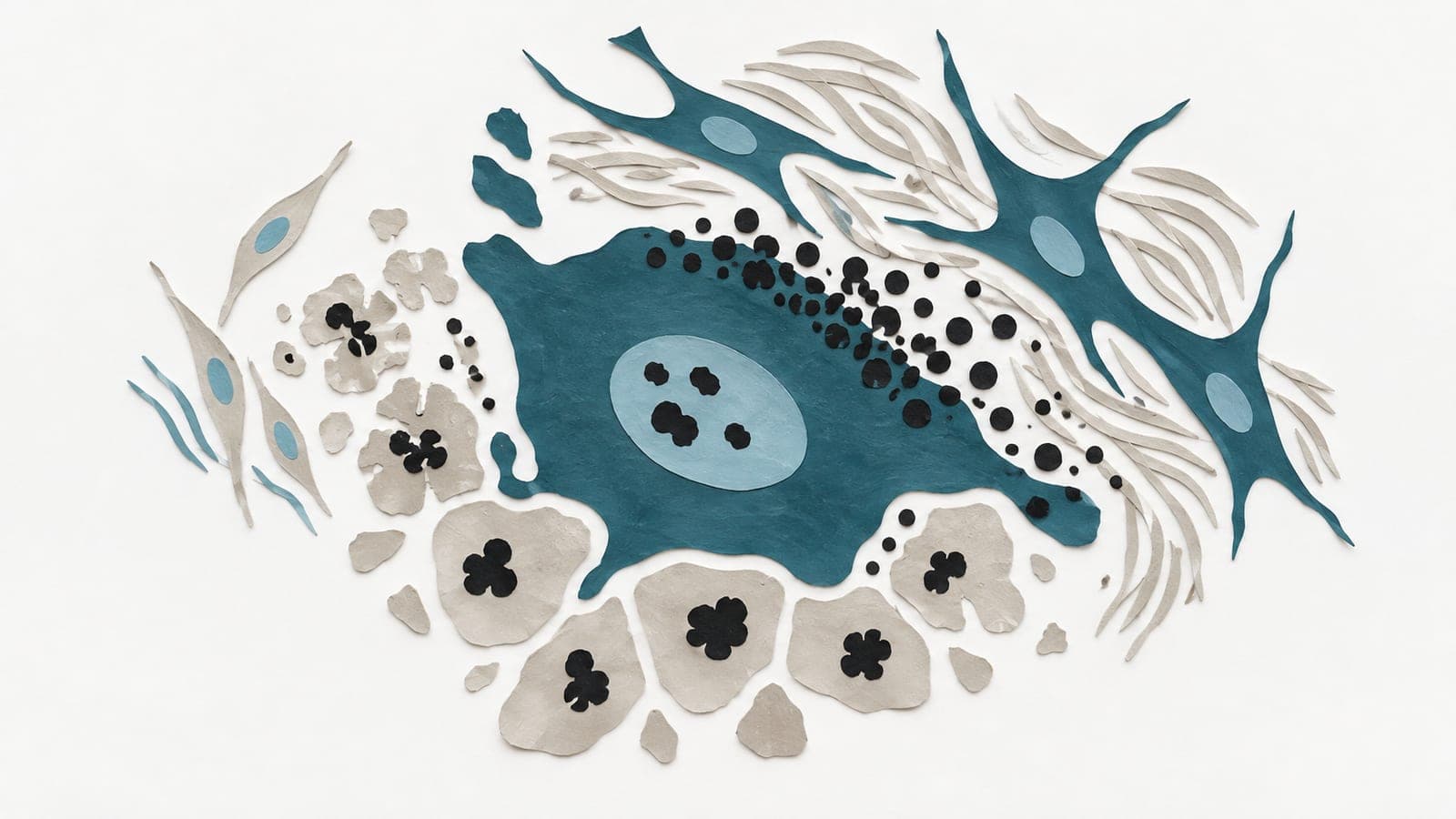
As patients age, cellular senescence results in senescence-associated secretory phenotype (SASP). The SASP results in secretion of pro-inflammatory cytokines, chemokines, and proteases that drive chronic inflammation and cartilage degradation in osteoarthritis (OA). Accumulation of senescent chondrocytes and macrophages activates key signaling pathways such as NF-κB, MAPK/p38, mTOR, AMPK, and JAK/STAT, leading to sustained inflammation and extracellular matrix (ECM) breakdown. Recent studies have identified pharmacological and gene-based approaches that modulate SASP-related pathways. Small molecules such as anakinra, metformin, and rapamycin show potential in reducing inflammation and preserving cartilage, while microRNA modulation and CRISPR/Cas9 editing provide emerging means to regulate SASP factors at the transcriptional level. This review summarizes the molecular mechanisms by which the SASP contributes to OA pathogenesis and highlights novel therapeutic strategies aimed at attenuating inflammation, maintaining cartilage integrity, and mitigating disease progression.
The paper
Singapore General Hospital
Frontiers in Immunology, 23 Jun 2026