Diesel-derived chemical triggers scarring signals in kidney cells
Experiments in kidney cells grown in the lab found that a diesel exhaust breakdown product caused lasting DNA damage and signals that activated connective-tissue cells.
Journal of Biochemical and Molecular Toxicology
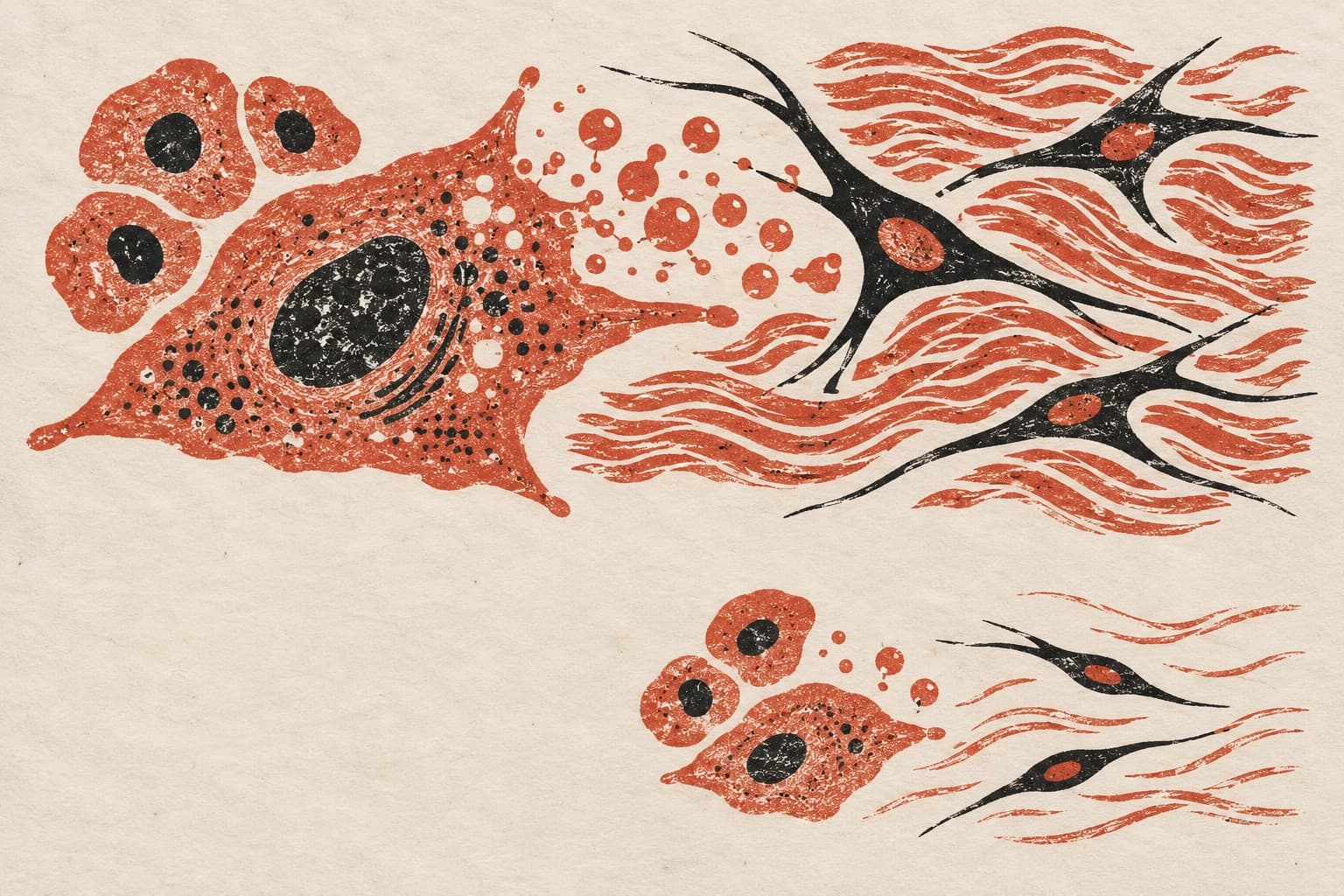
In experiments with kidney tubule lining cells grown in the lab, researchers tested 1-aminopyrene, a breakdown product of diesel exhaust. Exposure caused persistent DNA damage and senescence, a state in which cells stop dividing. The senescent cells produced signalling molecules.
Fluid collected from these cells activated kidney fibroblasts, cells that make connective tissue. It also increased activity of genes for the material surrounding cells. The researchers linked the signalling to BRD4, a protein that helps regulate gene activity. Blocking BRD4 reduced activity of genes for the senescence-associated signals and blocked fibroblast activation. It also promoted death of the kidney tubule lining cells.
Why it matters
Cell senescence is a process relevant to aging. The researchers suggested that BRD4 may be a target for treating pollution-related chronic kidney disease.
Caveats
These were experiments in cells grown in the lab, not in animals or people. They did not test whether blocking BRD4 could treat kidney disease.
The paper
CSIR-National Environmental Engineering Research Institute
Journal of Biochemical and Molecular Toxicology · 1 Oct 2026