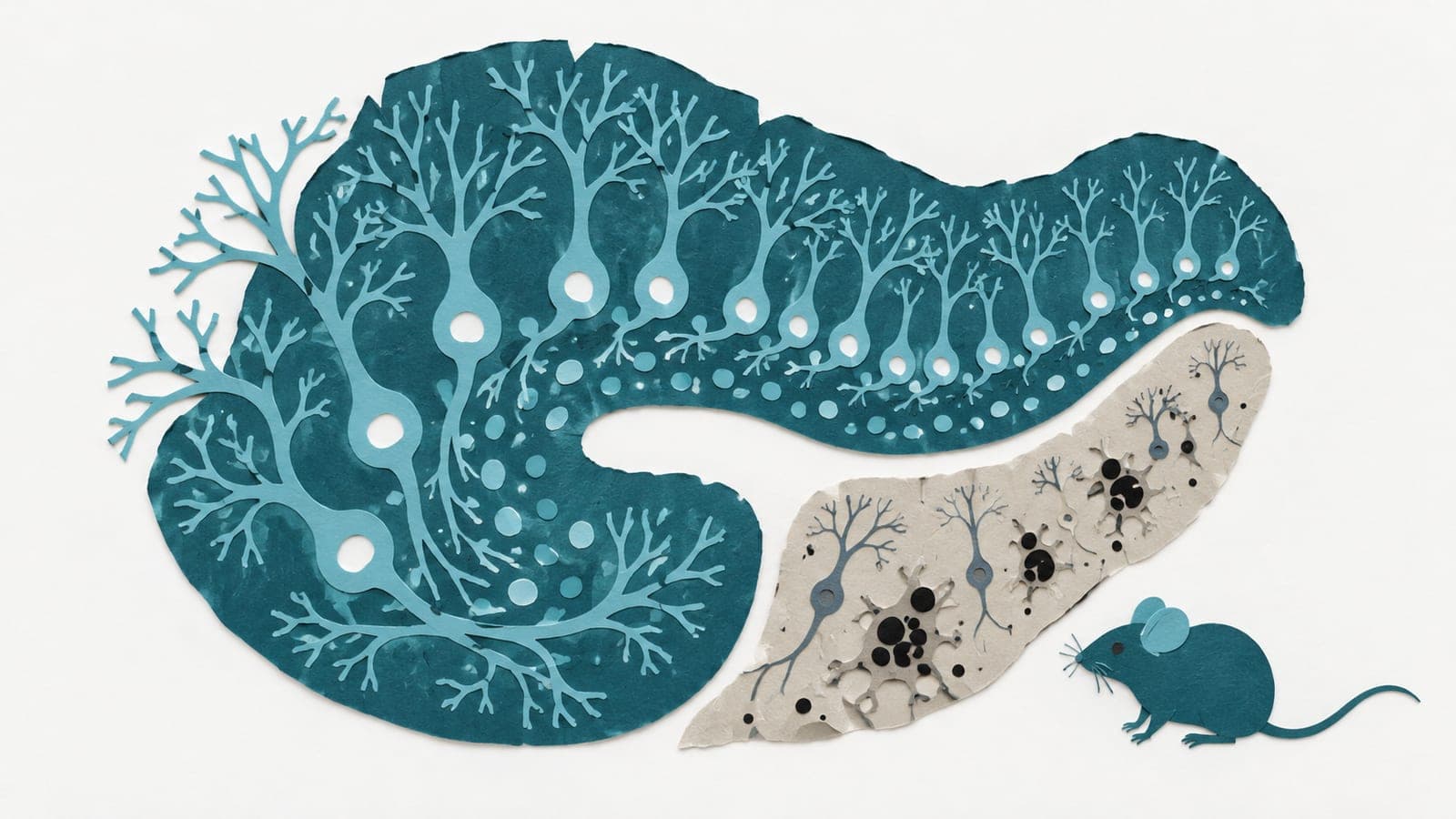
The choroid plexus- cerebrospinal fluid axis as a lifespan regulator of neural stem cells and circuit plasticity
Abstract
The choroid plexus-cerebrospinal fluid axis (ChP-CSF) functions as a dynamic signaling system that coordinates neural stem cell (NSC) behavior and neural circuit plasticity across the lifespan. Beyond its classical roles in cushioning the brain, CSF serves as a regulated conduit for growth factors, ions, extracellular vesicles, and other bioactive molecules. Emerging evidence suggests that the ChP contributes to shaping CSF composition through energy-dependent transport and state-responsive secretion. Ventricular-contacting NSCs sense CSF cues via apical endfeet and primary cilia, integrating signals to regulate their behavior. Lifespan-dependent remodeling of CSF composition and niche architecture reshapes NSC function from embryonic expansion to adult homeostasis and age-associated decline. Beyond the ventricular niche, ChP-derived factors influence circuit maturation and vulnerability to neurodegeneration. Orthodenticle homeobox 2 regulates critical period timing and neuroblast integration, whereas apolipoprotein E couples lipid metabolisms and amyloid-β homeostasis to neurogenesis with Alzheimer's disease risk. Additional ChP-secreted proteins, including transthyretin and clusterin, further shape the extracellular proteostatic and lipid environment. Together, these findings support the view of the ChP-CSF axis as an adaptive regulator across the lifespan that integrates stem cell dynamics, circuit plasticity, and neurodegenerative susceptibility.
- Cellular homeostasis
- Lipid and ceramide metabolism
- Proteostasis
- Stem cell differentiation
- Stem cell maintenance
- Cilium
The paper
Kyushu University; Kyoto University
Frontiers in Neural Circuits, 22 Apr 2026, Open access