Neural stem cell exhaustion disrupts central nervous system renewal in aging colonial chordates
Researchers identified a conserved neural progenitor pool that drives weekly brain regeneration in Botryllus schlosseri but collapses during aging.
bioRxiv
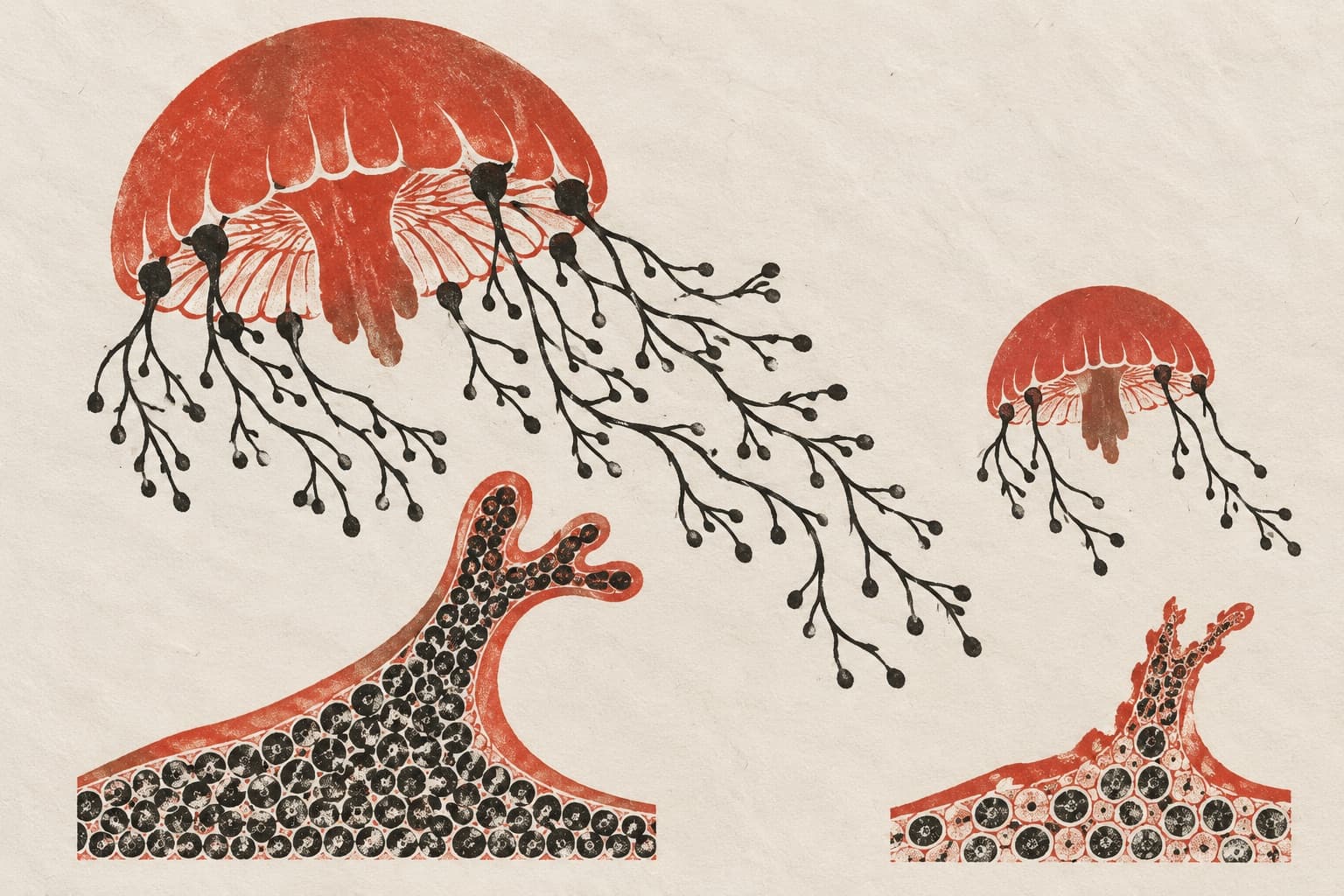
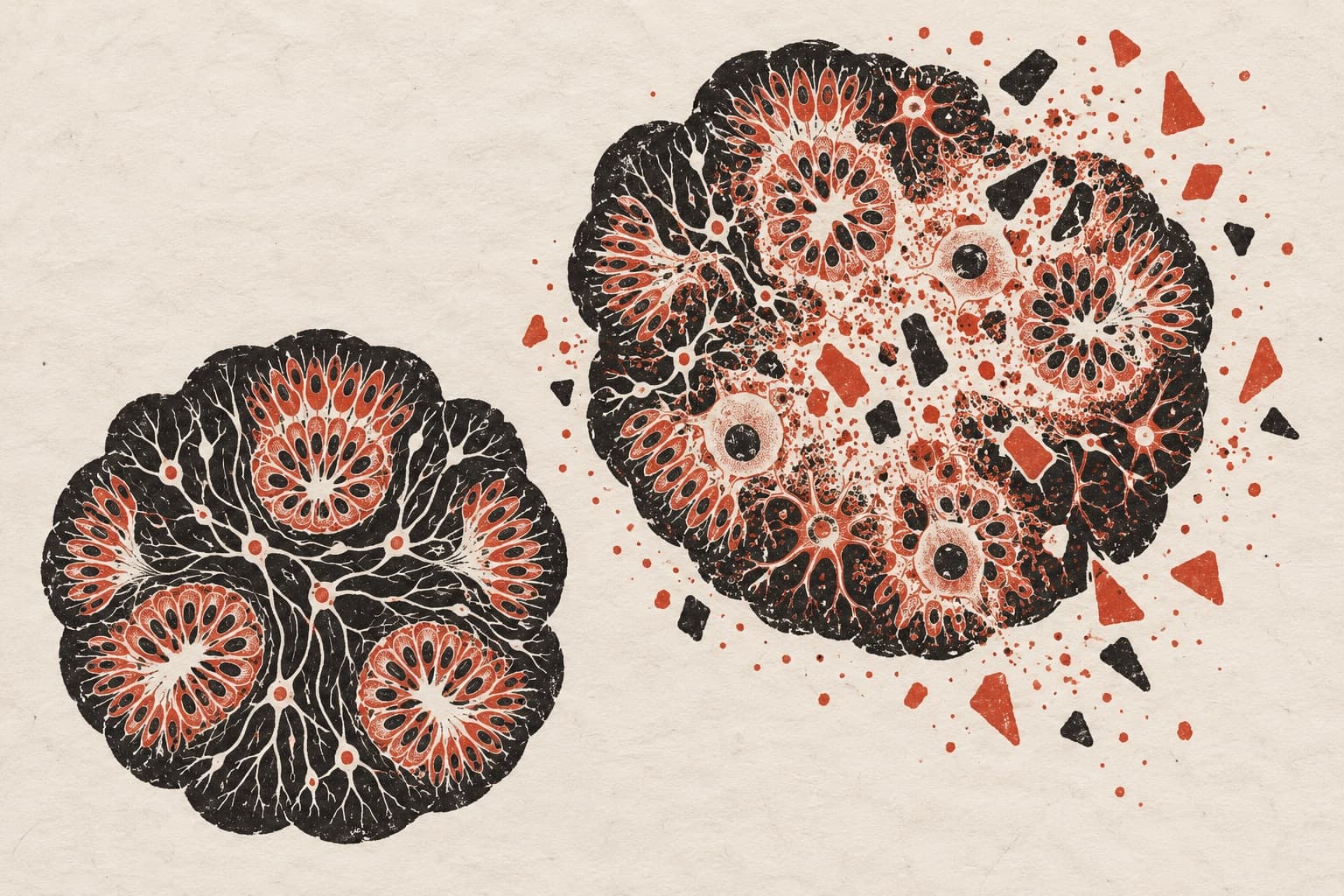
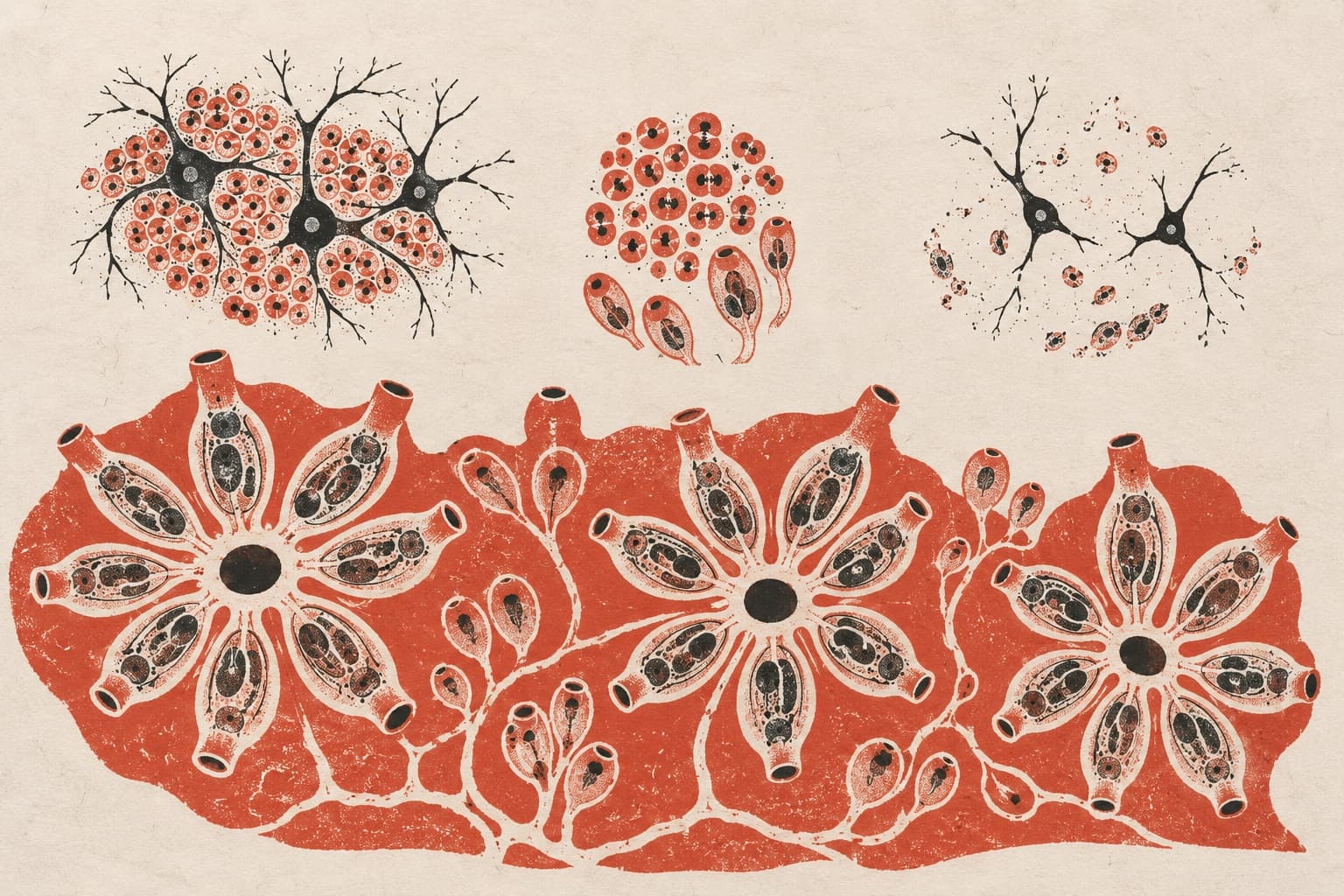
In the colonial chordate Botryllus schlosseri, the entire central nervous system resorbs and regenerates de novo each week. In a preprint study, researchers used single-cell sorting, Smart-seq3 sequencing, spatial mapping, and temporal deconvolution to trace this renewal. They identified six brain cell states, including a conserved SOX2, NOTCH1, and NEUROG1 progenitor continuum alongside mature neurons. Syngeneic transplantation showed that neural-complex cells delivered into the vasculature persisted and migrated to developing buds and neural regions, accumulating near the neural gland after injury. Brain aging desynchronized this regenerative cycle, causing an initial hyper-activation that ended in sudden collapse and stem cell exhaustion.
Why it matters
The findings show how cumulative stem cell exhaustion can disrupt whole-organ renewal in a chordate nervous system. Tracking these dynamics helps researchers understand how conserved neural regenerative programs fail over time.
Caveats
The study was conducted in an invertebrate colonial chordate and its findings may not apply to non-regenerating mammalian brains. Additionally, the paper is a preprint that has not yet completed peer review.
The paper
Show 10 more authors
Katherine J. Ishizuka, Karla J. Palmeri, Daniel Dan Liu, Rahul Sinha, Yotam Voskoboynik, Clelia Corridori, Norma F. Neff, Angela M. Detweiler, Irving L. Weissman, Graziano Martello,University of Padua · Stanford Medicine
bioRxiv · 13 Sep 2026 · Preprint, not peer-reviewed