Boosting a secreted enzyme protected memory in aging mice
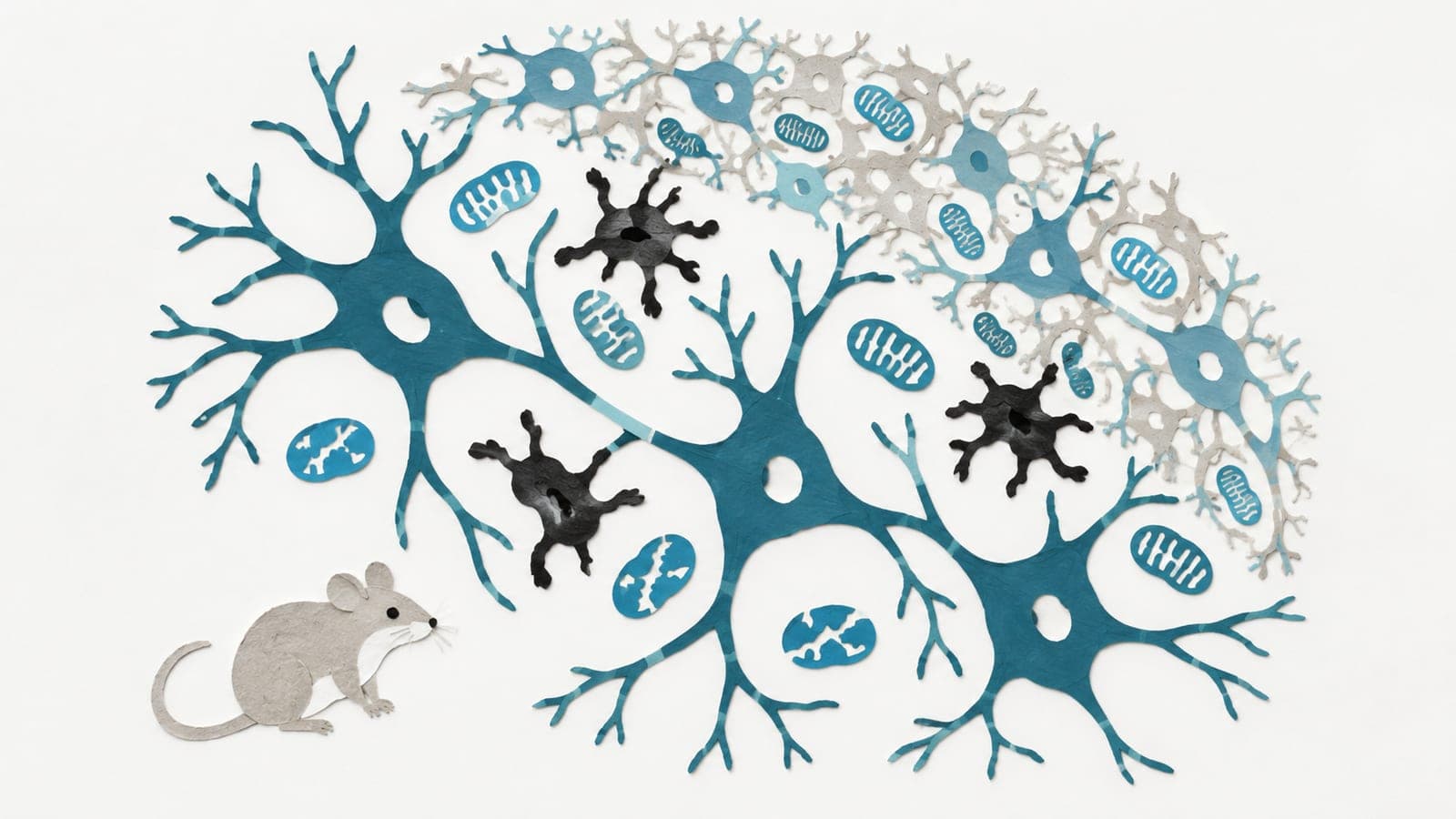
Experiments in mice suggested that an enzyme released by nerve cells helps compensate for age-related brain changes and preserve memory.
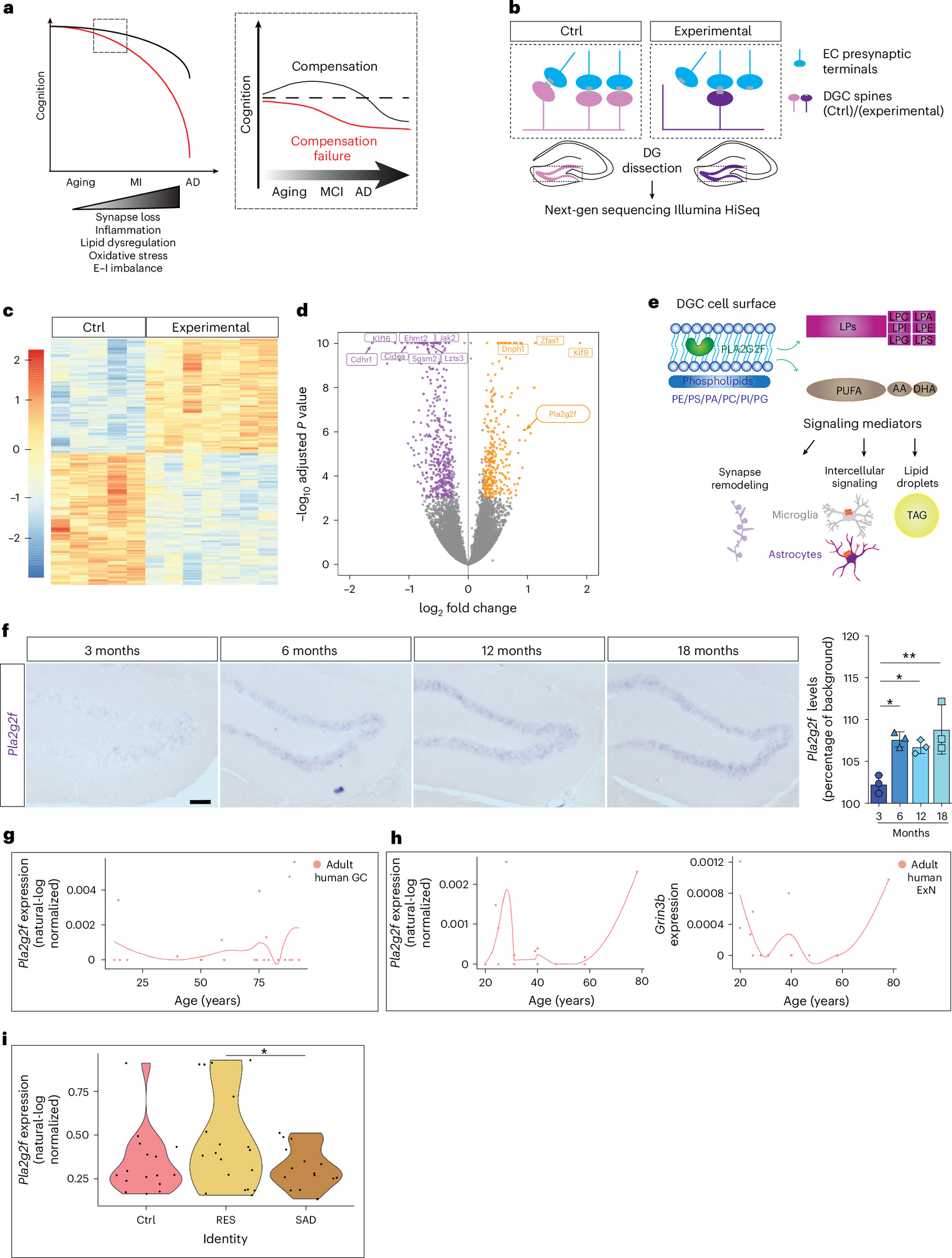
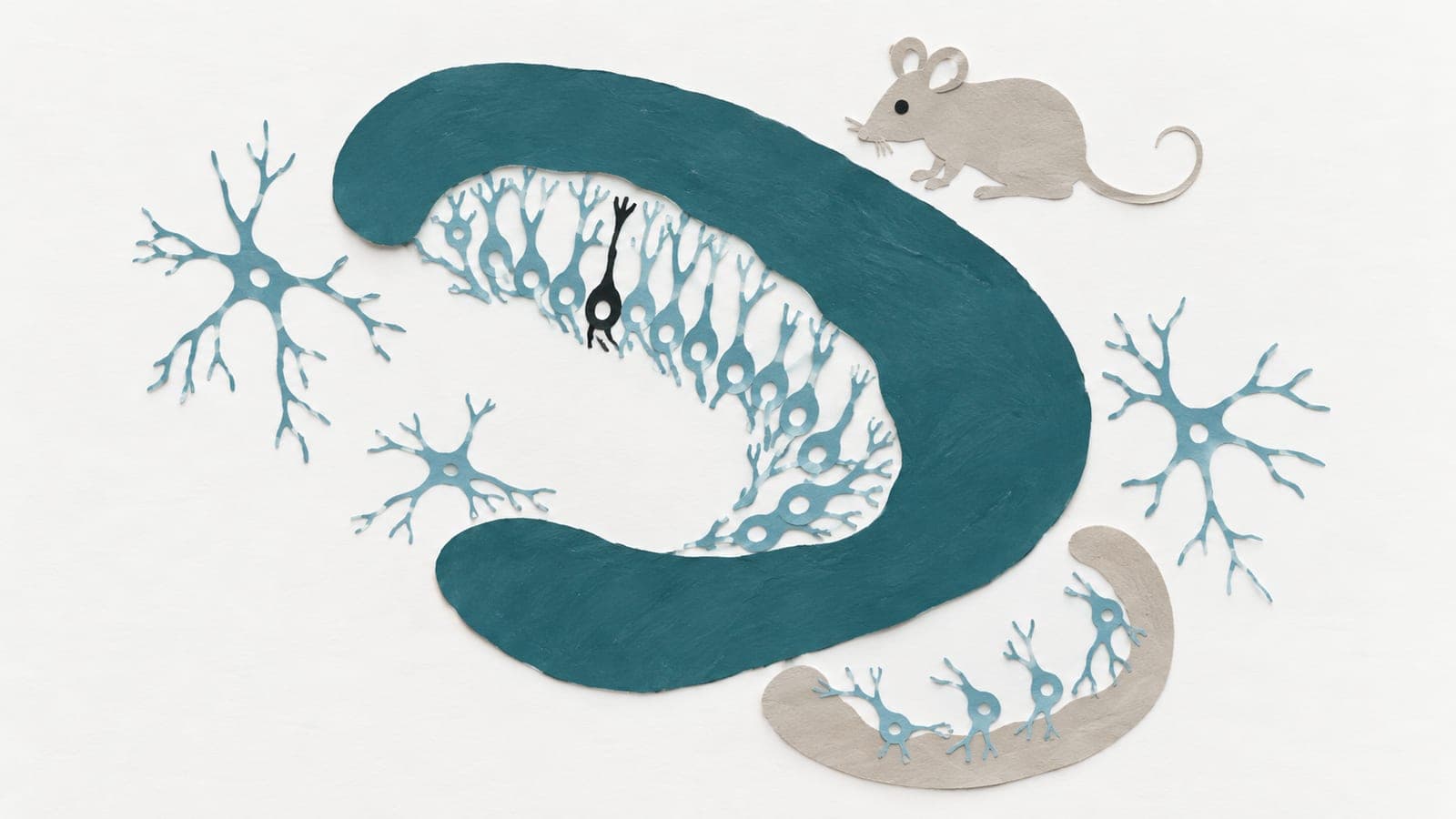
In experiments in mice, researchers studied PLA2G2F, a fat-breaking enzyme released by cells. The gene for this enzyme became more active during aging in dentate granule cells, a type of nerve cell in the hippocampus, a brain region involved in memory.
Deleting the gene in these cells worsened age-related changes, including loss of connections between nerve cells, inflammation, disruption of fat balance and memory loss. Boosting the enzyme in these cells during aging prevented these changes in circuits linking the hippocampus and the brain’s outer layer. It also prevented impaired production of new nerve cells and the build-up of fat droplets, and protected memory.
Why it matters
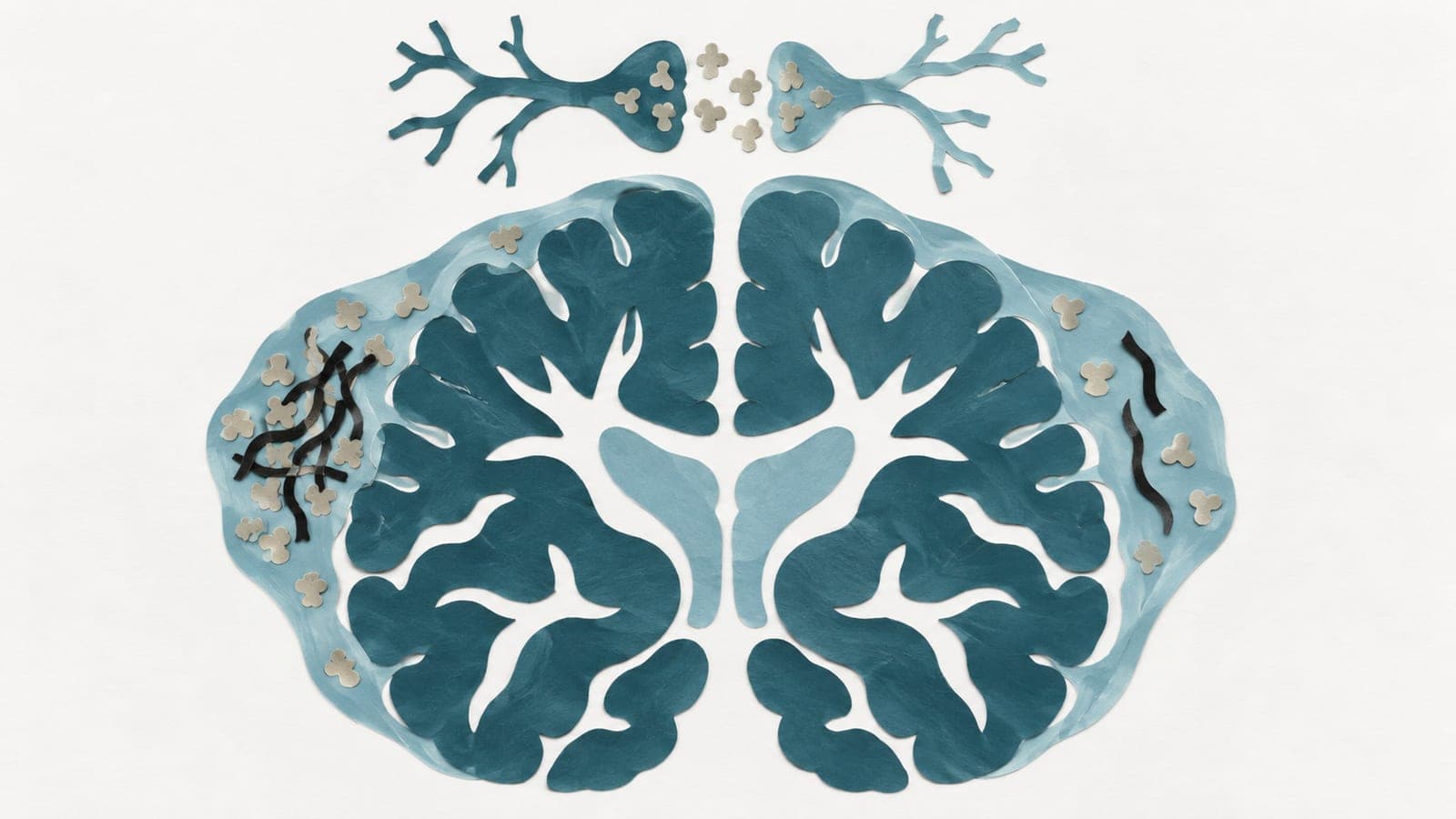
Cognitive reserve concerns how the brain compensates for age-related changes. The work points to fat regulation as a possible part of that resilience.
Caveats
The memory-protection results came from experiments in mice. The reported association with cognitive resilience in humans does not show that boosting the enzyme would protect memory in people.
The paper
An aging-sensitive secreted phospholipase confers neuroprotection and cognitive resilience
Massachusetts General Hospital
Nature Neuroscience, 15 Oct 2026