Chemical signals support regeneration in planarian flatworms
Researchers examined 51 genes for signalling molecules and found that 16 supported efficient regeneration, stem cell function or both in asexual planarian flatworms.
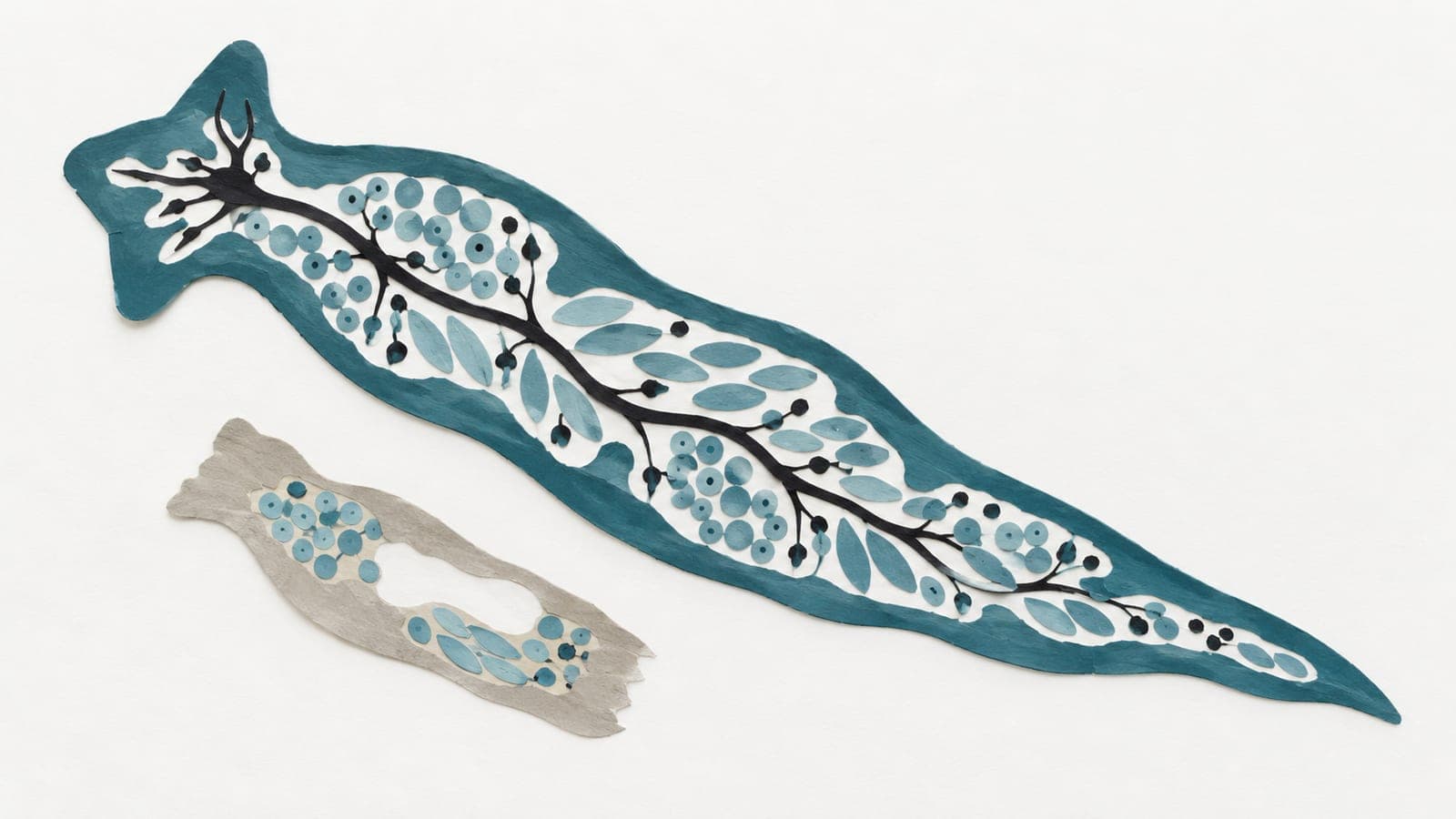
In experiments with asexual planarian flatworms, researchers investigated neuropeptides, signalling molecules made by nerve cells and some hormone-releasing cells. They examined 12 candidate enzymes that help produce active neuropeptides. Three regulated regeneration by affecting how stem cells developed into specialised cells and how they were maintained.
The team also investigated 51 of the 52 known genes that encode neuropeptides in planarians. They found that 16 promoted efficient regeneration, stem cell function or both. The findings indicated that diverse neuropeptides regulate stem cells both during normal tissue upkeep and when the worms regenerate.
Why it matters
Stem cell maintenance bears on how tissues sustain themselves with age. The authors suggested that mimicking a regeneration-supporting state in planarians could be valuable for regenerative therapies.
Caveats
These were experiments in flatworms, not tests of regenerative therapies in people. The paper is a preprint and has not been peer-reviewed.
The paper
Neuropeptide Signaling Promotes Stem-Cell Driven Regeneration in Planarians
University of Georgia
bioRxiv, 12 Oct 2026, Preprint, not peer-reviewed