Composition of gut microbiota and renal transcriptome fluctuates with age: midlife represents a key transitional point
Abstract
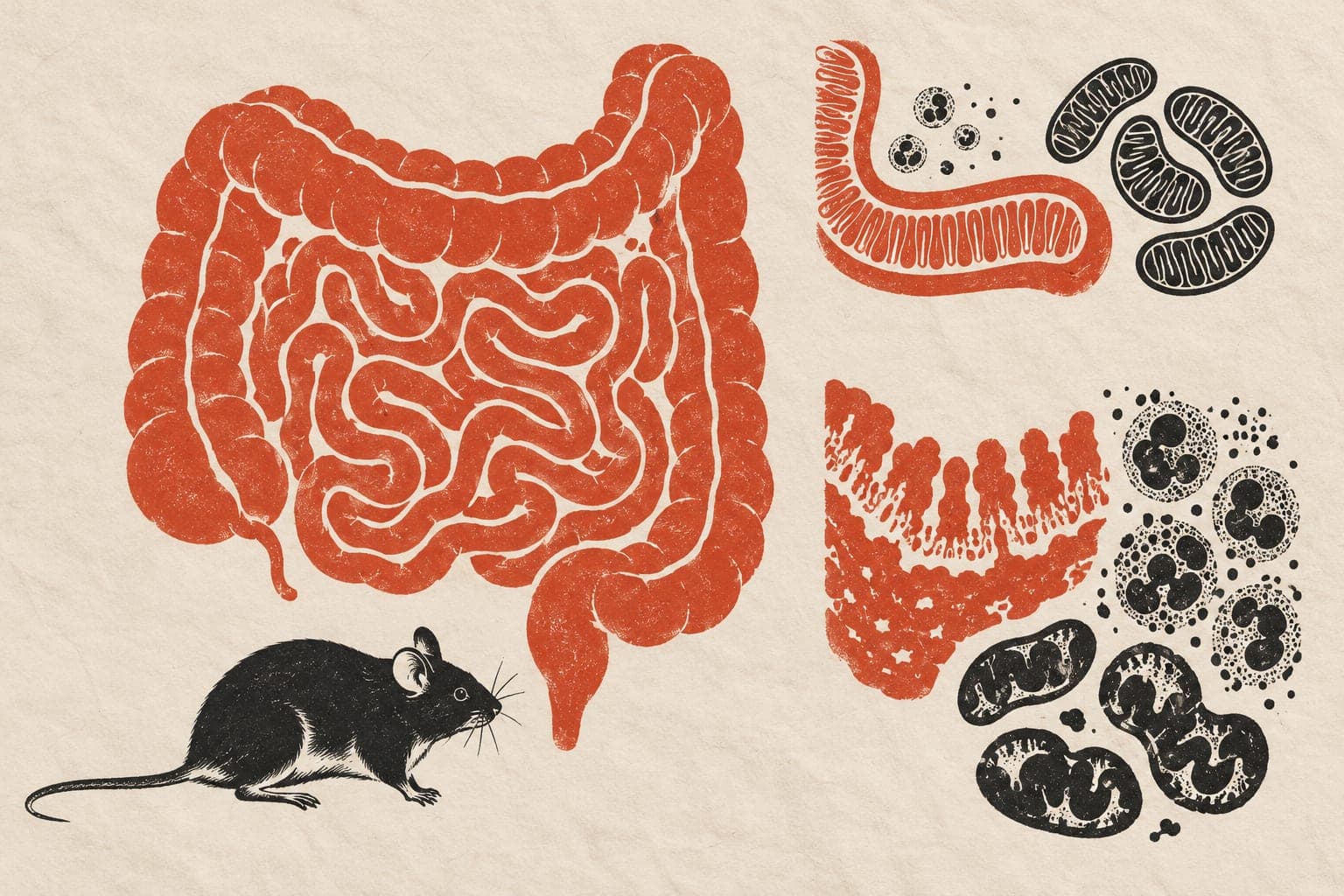
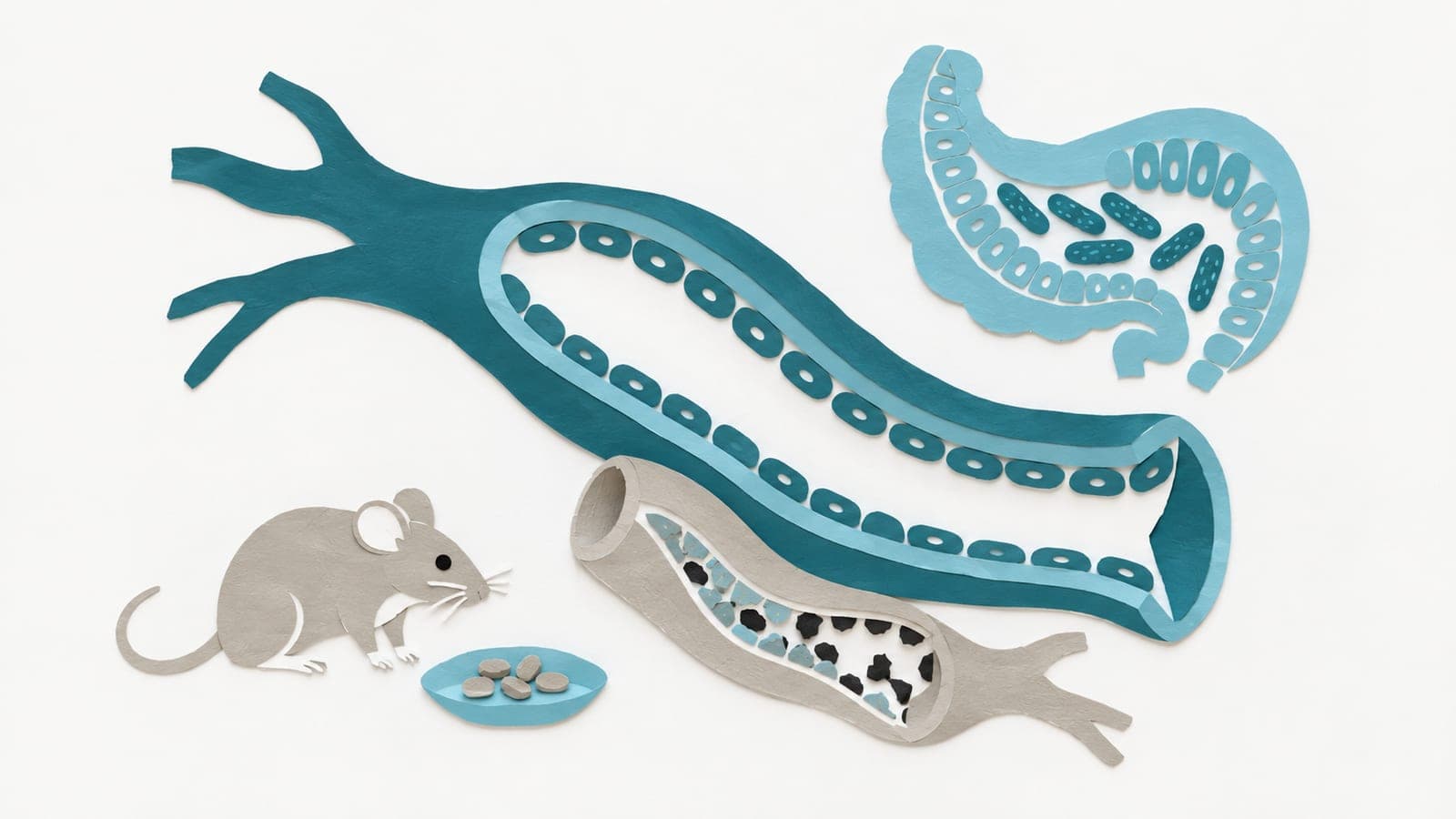
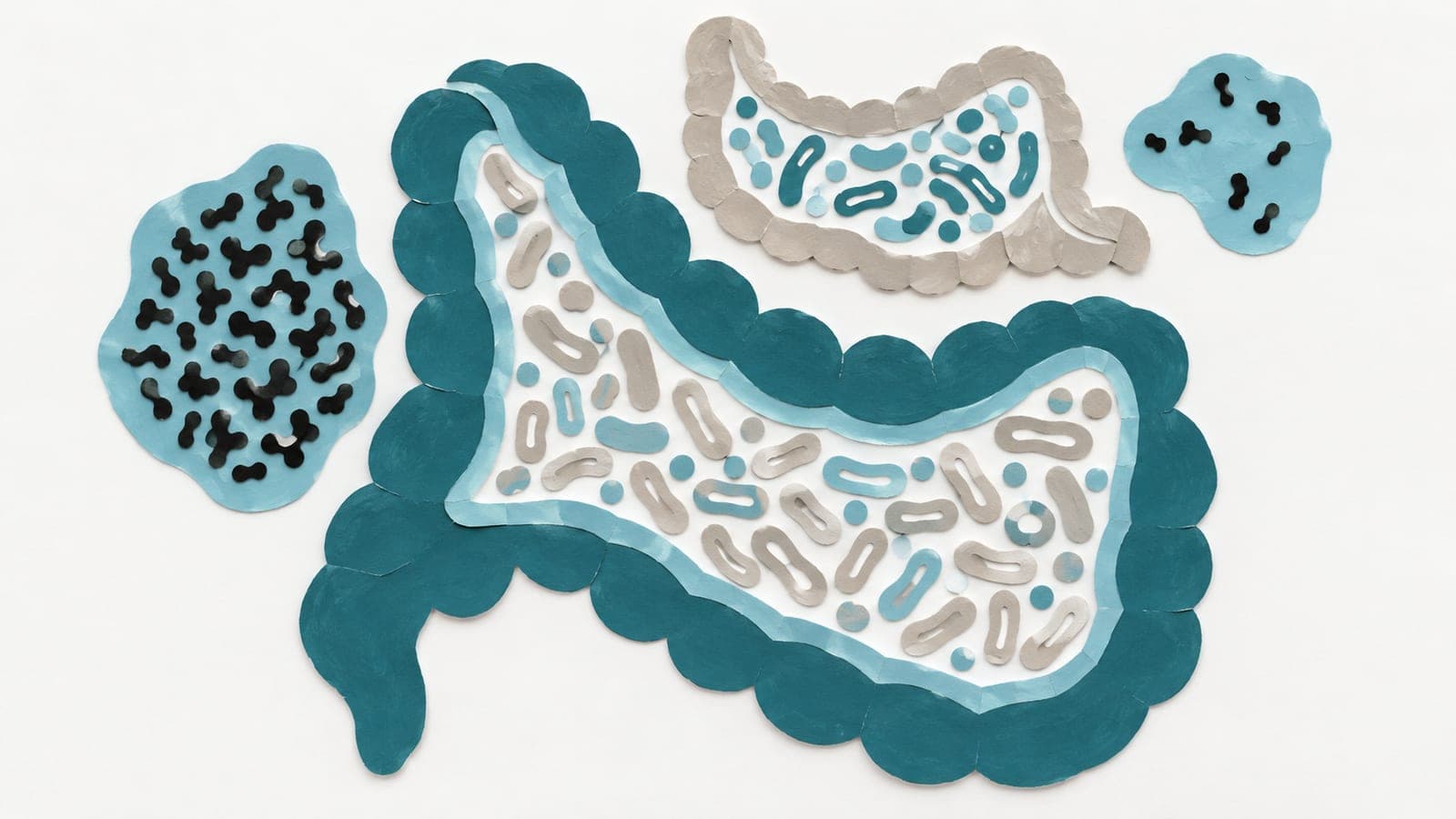
Human aging is associated with declining renal function, potentially worsened by gut microbiota-derived uremic toxins. Although the gut-kidney axis is implicated in disease, its dynamic role in physiological aging remains unclear. Through integrated 16S rDNA and transcriptomic analyses in young (3 months), middle (12 months), and old-aged (24 months) mice, we identified age-dependent shifts in gut microbiota and renal gene expression. The shifts are nonlinear, with midlife (12 months) representing a key transitional point. The gut microbiota shifts from a commensal metabolic partner in youth to a driver of a pro-inflammatory microenvironment in old age. Concurrently, the kidney shows enhanced inflammatory, pro-fibrotic, and pro-coagulant transcriptional signatures. These changes are synchronized, revealing a stage-specific gut-kidney interplay: an adaptive peak in midlife precedes a coordinated functional shift toward a pro-aging microenvironment in late life. Our findings introduce the concept of "stage-specific aging" and suggest that aging-related changes in both the gut microbiota and the kidney transcriptome are non-linear, with midlife representing an important transitional stage in gut-kidney aging.
- Extracellular matrix remodelling
- Inflammation
- Microbiome composition
- Gut microbiota composition
- Renal gene expression
- Mice
The paper
First Affiliated Hospital of Xi'an Jiaotong University
The Journals of Gerontology, Series A, 25 Mar 2026