Gut microbes predict inflammation better than age in adults
In 1,199 adults, gut microbiota composition explained more variance than age for 97% of inflammatory cytokines and 84% of tested physiological measures.
Nature Communications
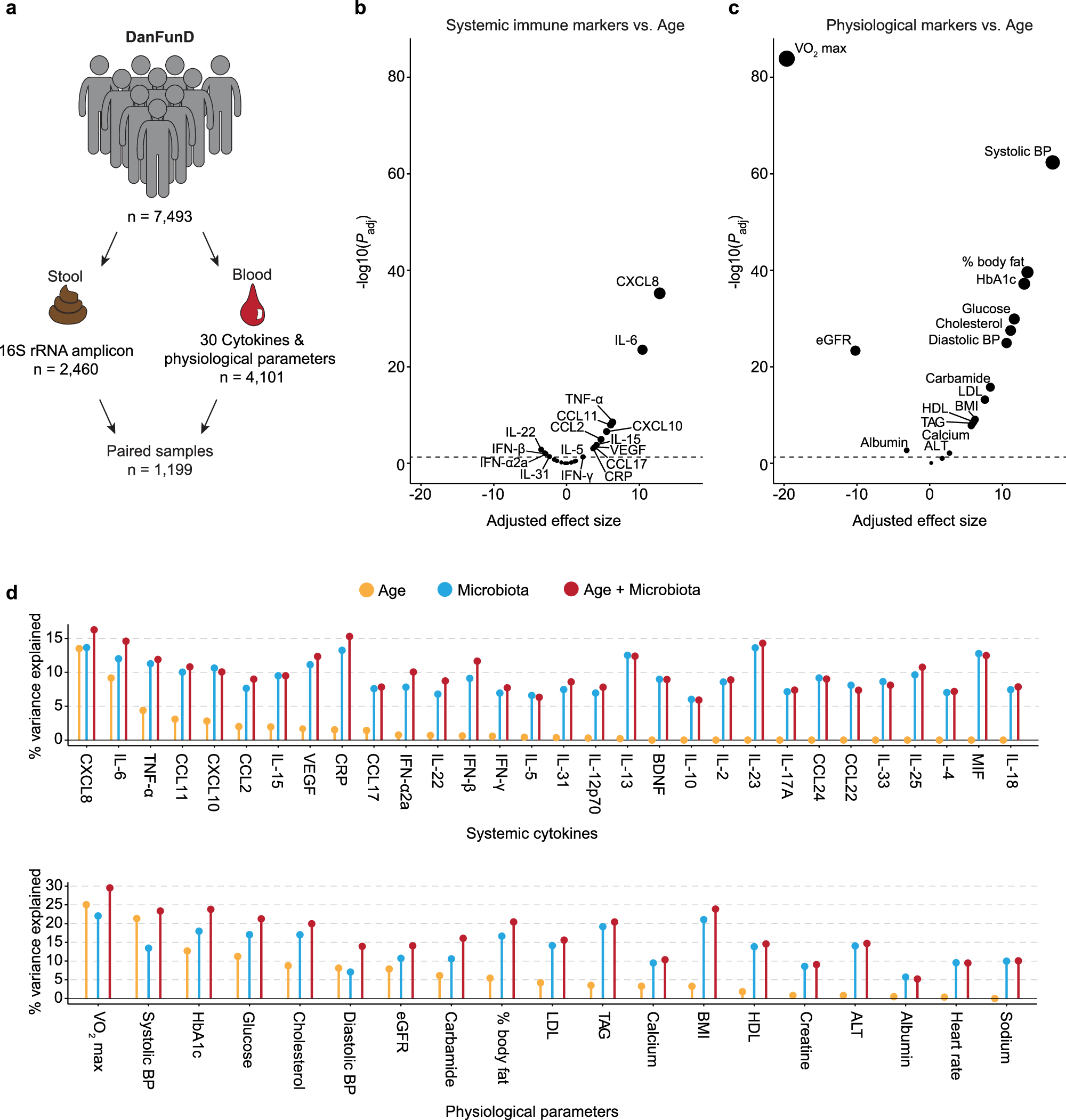
In an observational cohort study, researchers analysed gut bacteria, 30 immune signalling proteins called cytokines, and 19 physiological measures in 1,199 adults aged 20 to 72.
Age was linked to 40% of the cytokines and most physiological measures. However, gut microbiota composition explained more variance than age for 97% of cytokines and 84% of physiological measures. Participants with a bacterial profile called the Bacteroides 2 enterotype showed higher inflammatory cytokines and adverse metabolic profiles in early adulthood, displaying an inflammation pattern linked to aging up to 37 years earlier than other profiles. This group was associated with an increased risk of future disease across multiple organ systems, with a hazard ratio of 1.21. Conversely, a high-diversity gut profile was linked to lower inflammation and reduced disease risk.
Why it matters
Low-grade inflammation increases across adulthood and accompanies many age-related chronic illnesses. The findings suggest gut microbial communities track this inflammatory tone more closely than years lived, highlighting a potential route for studying why individuals develop age-associated health risks at different rates.
Caveats
Because the study was observational, it cannot determine whether specific gut microbes caused systemic inflammation or disease. In addition, the participants came from a single adult cohort, and mediation analyses only suggested that inflammatory cytokines accounted for part of the disease risk.
The paper
Show 9 more authors
Pi Lærke Johansen, Thomas Meinertz Dantoft, Oluf Pedersen, Torben Hansen, Allan Linneberg, Tine Jess, Kristine Højgaard Allin, Torben Jørgensen, Karsten Kristiansen,Technical University of Denmark
Nature Communications · 8 Sep 2026