Implications of cellular senescence in Parkinson's disease: Recent developments and future directions
Abstract
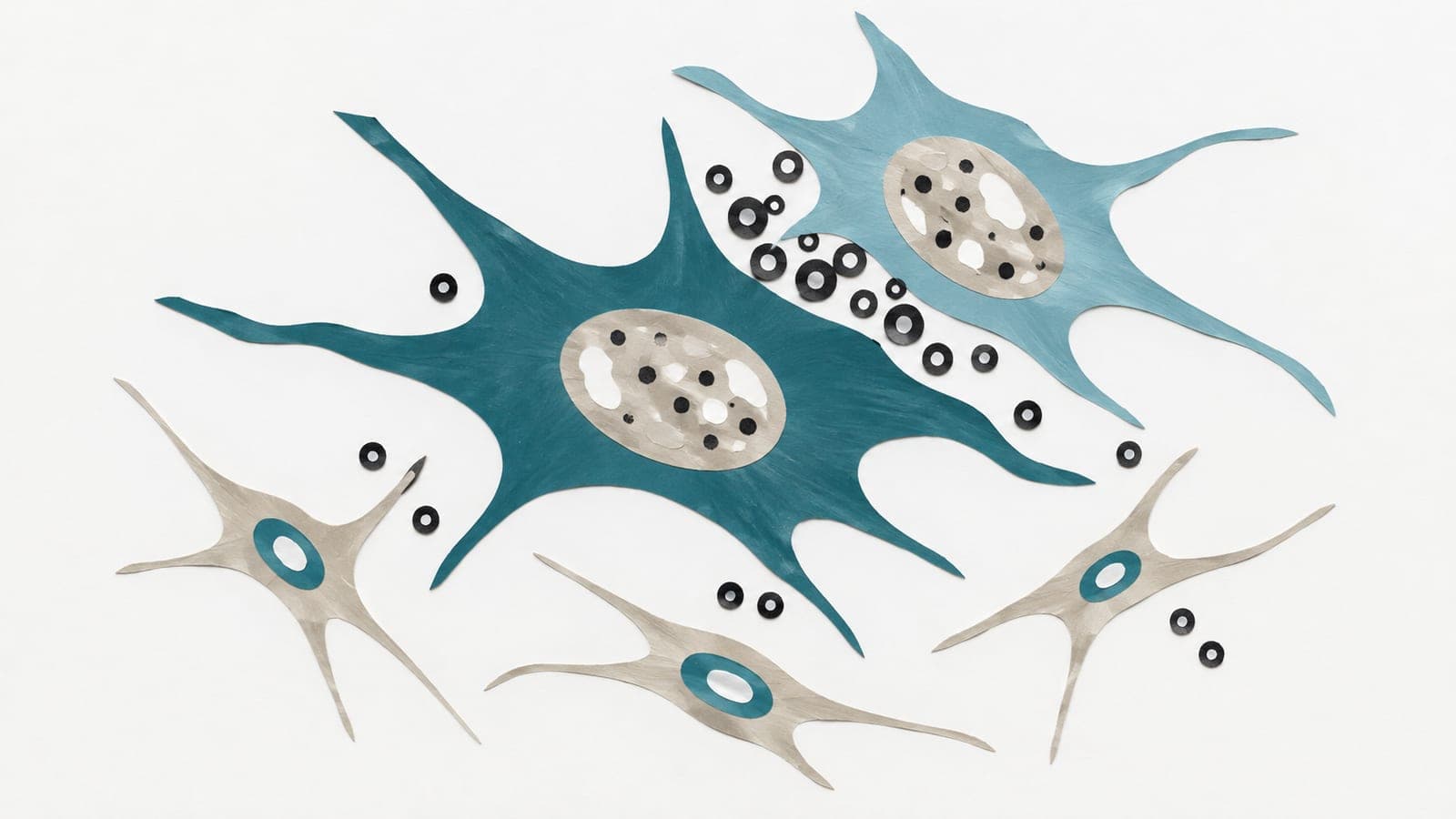
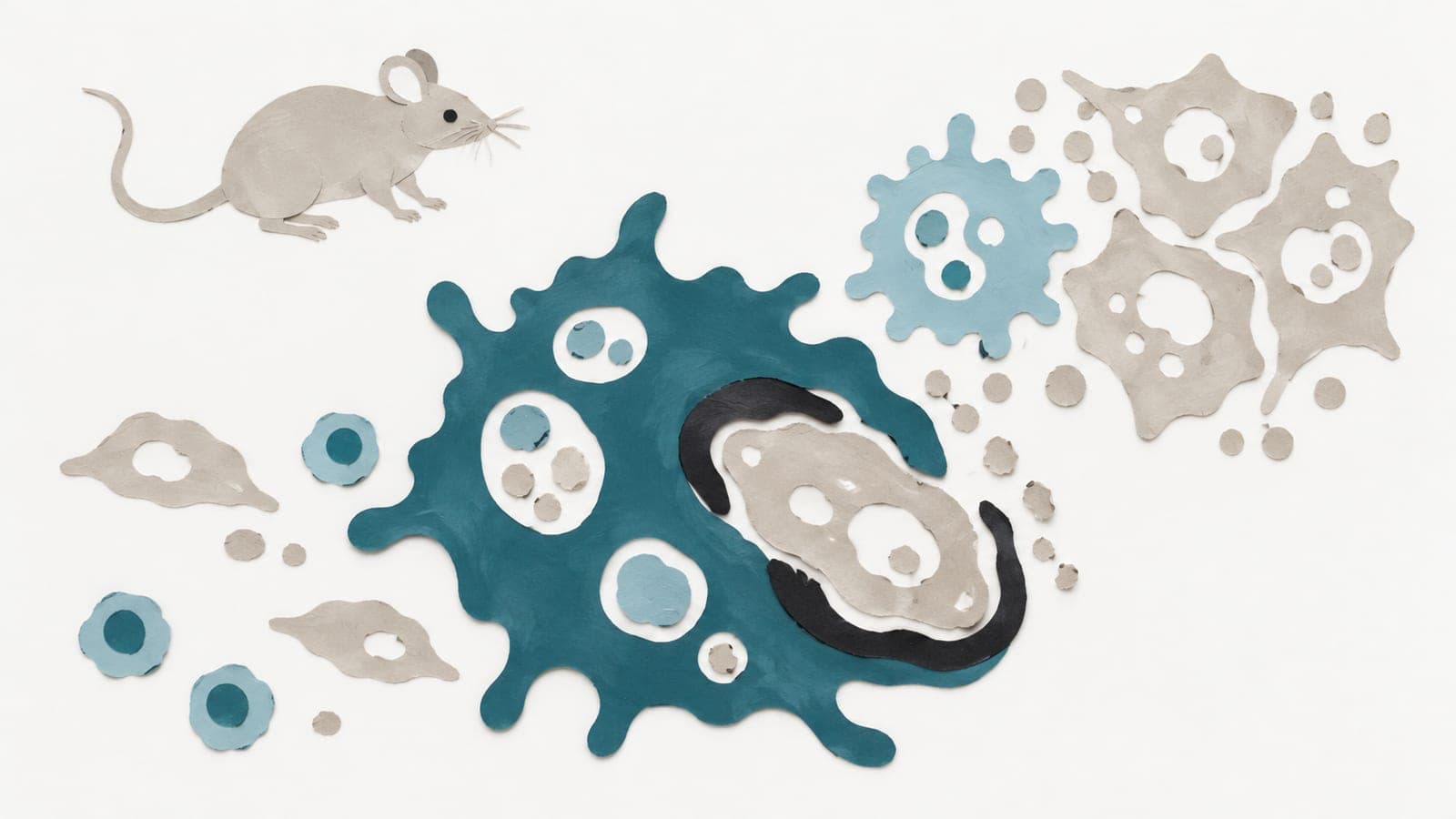
Parkinson's disease (PD) is a progressive neurological disorder that primarily affects motor movement but also causes a range of non-motor symptoms. Characteristic hallmarks include progressive loss of dopaminergic neurons in the substantia nigra pars compacta and the buildup of intracellular protein aggregates known as Lewy bodies containing the protein alpha-synuclein. While the etiology of PD is multifactorial, aging is widely recognized as the most significant risk factor for the disorder. Cellular senescence, a hallmark of aging, has in recent years emerged as a potential driver of neurodegeneration associated with PD. Senescent cells accumulate in the aging brain, exhibit a proinflammatory secretory phenotype, and are believed to contribute to the pathogenesis of PD through multiple mechanisms. This mini-review examines the evidence linking cellular senescence to PD, discusses potential underlying molecular and cellular mechanisms involved in this process, and evaluates the therapeutic potential of targeting senescent cells for treatment of the disorder.
- Cellular senescence
- Senescence-associated secretory phenotype (SASP)
- Parkinson's disease
- Neurodegenerative disease
- Humans
The paper
Buck Institute for Research on Aging
Current Opinion in Neurobiology, 9 Mar 2026