Targeted nanoplatform reduces microglial senescence and eases motor deficits in Parkinson mice
Silencing the upregulated gene PLXDC2 via brain-penetrating nanoparticles suppressed cGAS-STING signaling, reduced iron accumulation, and protected dopaminergic neurons.
Advanced Science
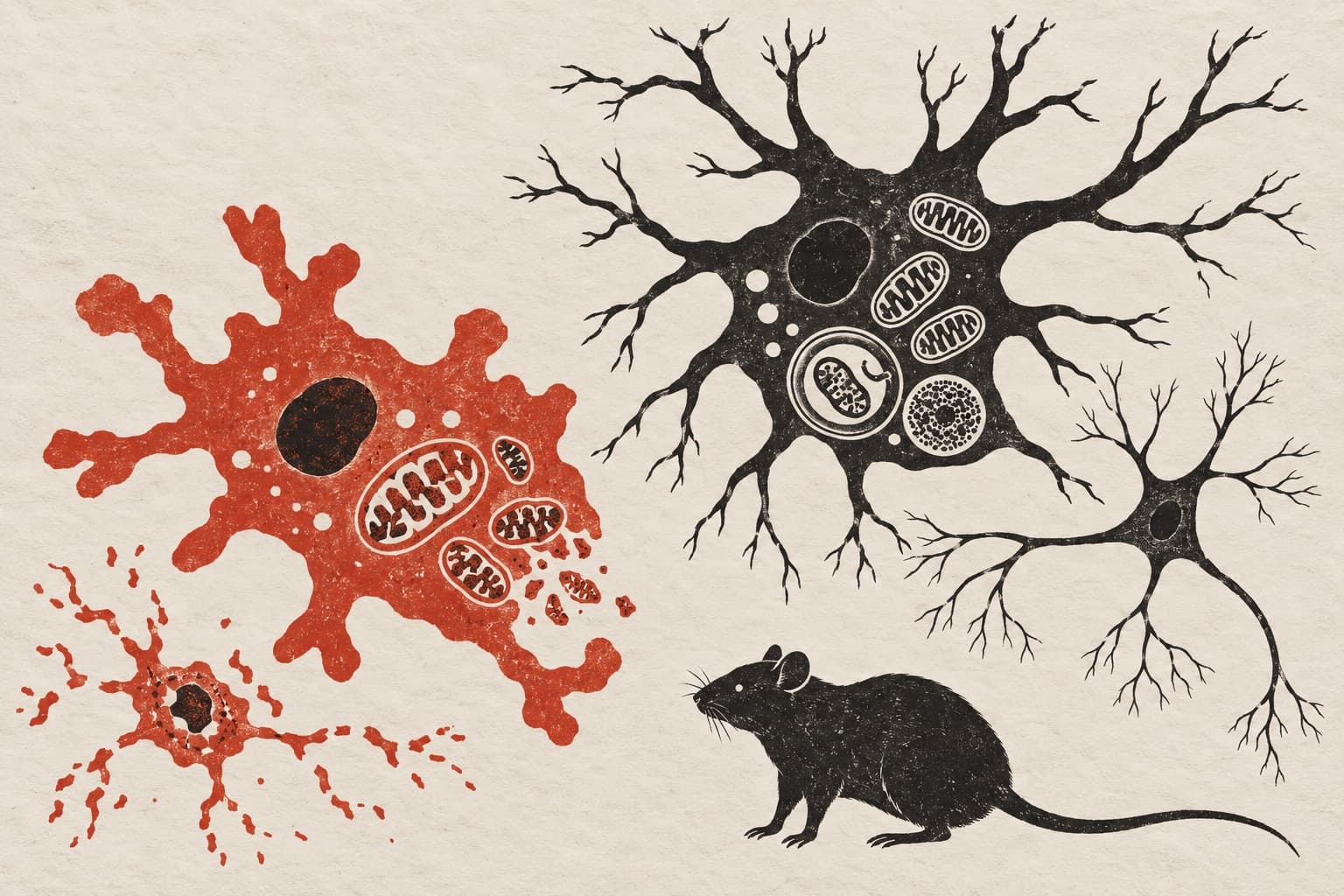
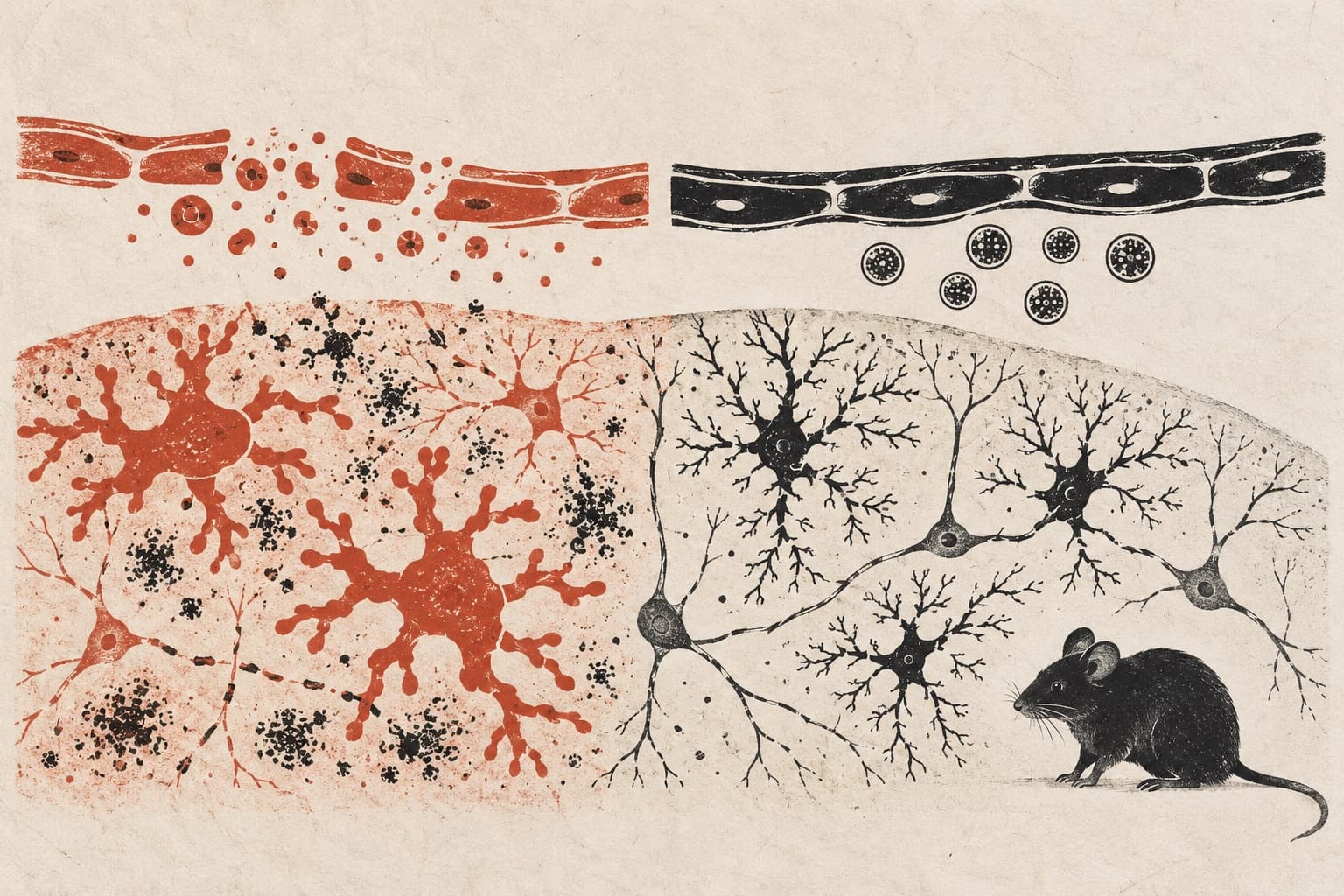
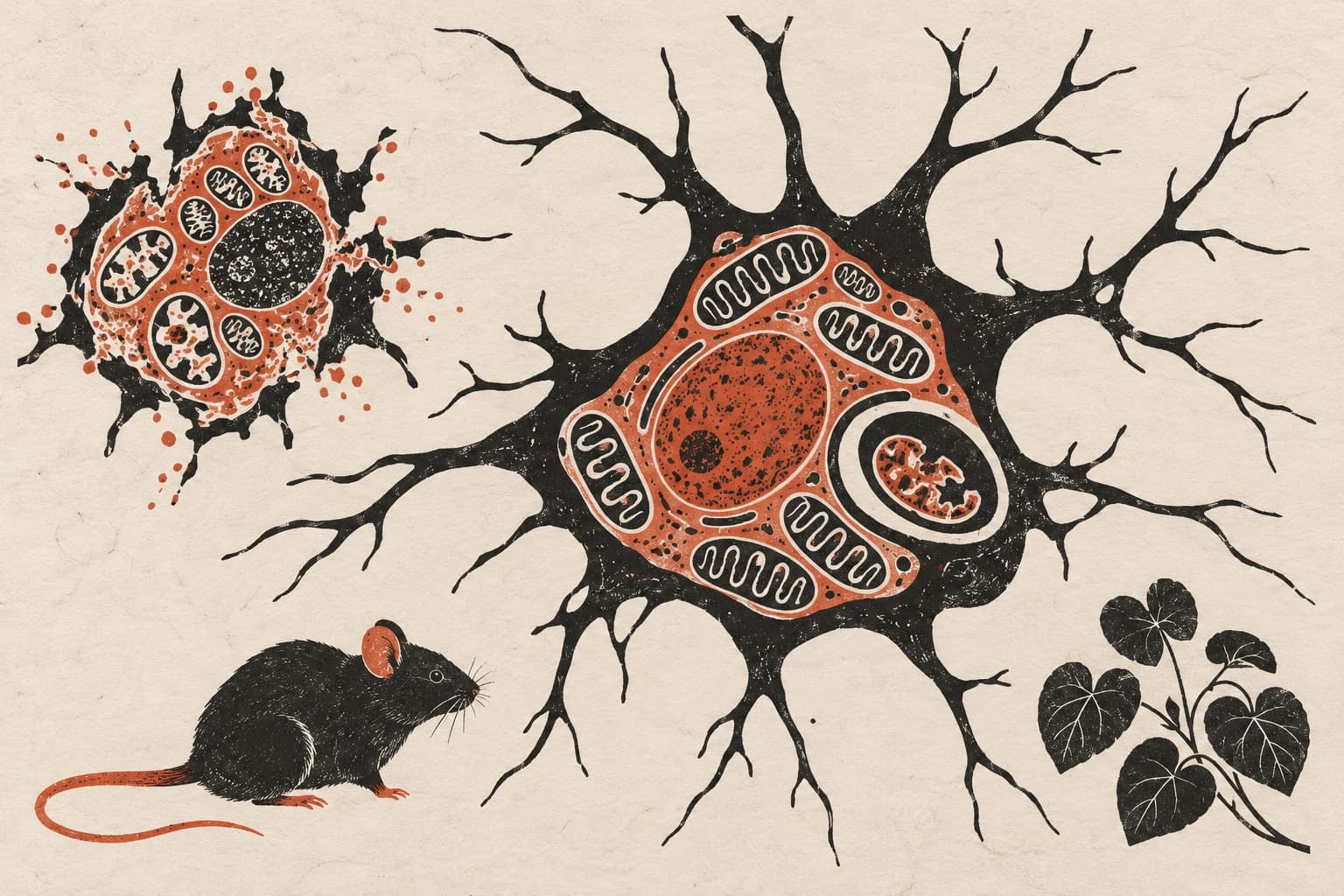
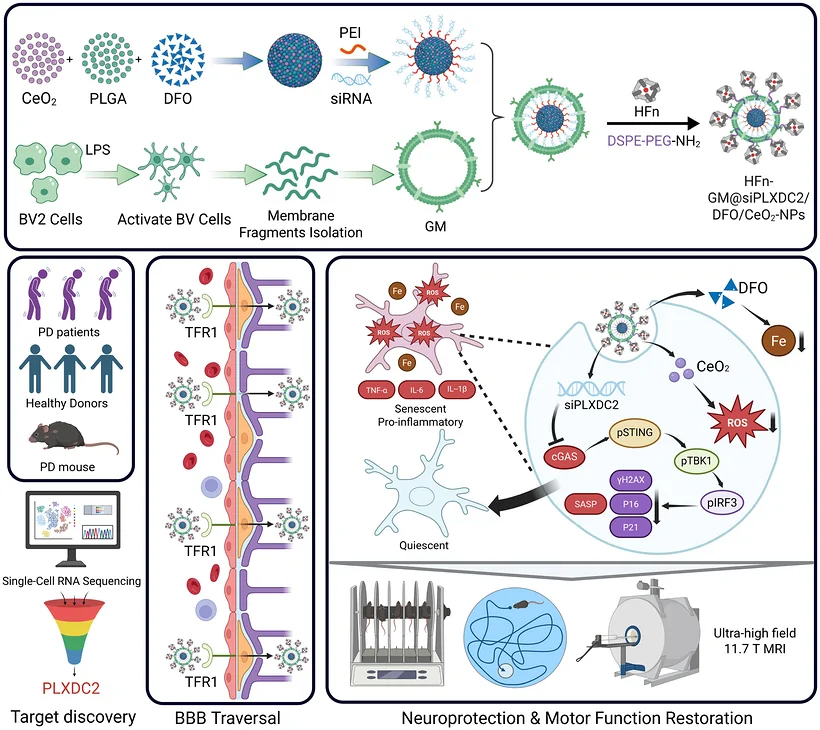
In human substantia nigra single-cell data and mouse models of Parkinson's disease, researchers investigated how targeting the PLXDC2 gene affects disease progression. By analyzing the human tissue atlas, the team identified elevated PLXDC2 expression in microglia. They then engineered a biomimetic nanoplatform coated with a ferritin-modified microglial membrane to deliver PLXDC2-silencing siRNA alongside the iron chelator deferoxamine and antioxidant cerium oxide nanoparticles. In mice with Parkinson's disease, the nanoplatform successfully crossed the blood-brain barrier. The intervention decreased iron deposition, diminished reactive oxygen species, and curbed neuroinflammation. Silencing PLXDC2 mitigated microglial senescence driven by the cGAS-STING signaling pathway. Consequently, the treated mice experienced reduced dopaminergic neurodegeneration and showed measurable improvements in motor performance, including balance, coordination, and endurance.
Why it matters
Microglial senescence and chronic neuroinflammation are prominent hallmarks of age-related neurodegenerative disorders. Linking PLXDC2 to cGAS-STING-mediated senescence offers a defined molecular target to address both cellular aging and pathological microenvironments in the brain.
Caveats
The therapeutic outcomes were demonstrated exclusively in mouse models, which may not fully capture human pathology. Additionally, the abstract does not report long-term safety, off-target effects, or translational pharmacokinetics for this multi-component delivery platform.
- Cellular senescence
- cGAS–STING signalling
- Inflammation
- Oxidative stress and ROS signalling
- Parkinson's disease
- Mice
The paper
PLXDC2 siRNA-Mediated Intervention Attenuates Microglial Senescence Through cGAS-STING Signaling
Show 10 more authors
Huanhuan Luo, Fei Ju, Yucheng Zhu, Zheng Zhou, Jie Sun, Zhenghui Qiu, Xiang Luo, Zhongzheng Jia, Jianquan Wang, Hongjie Huang,Nantong University · Huaian First People’s Hospital
Advanced Science · 27 Sep 2026 · CC BY