Tumorigenic p53N236S balances aging and tumorigenesis via regulating DREAM/MMB and downstream telomere DNA replication pathways
Abstract
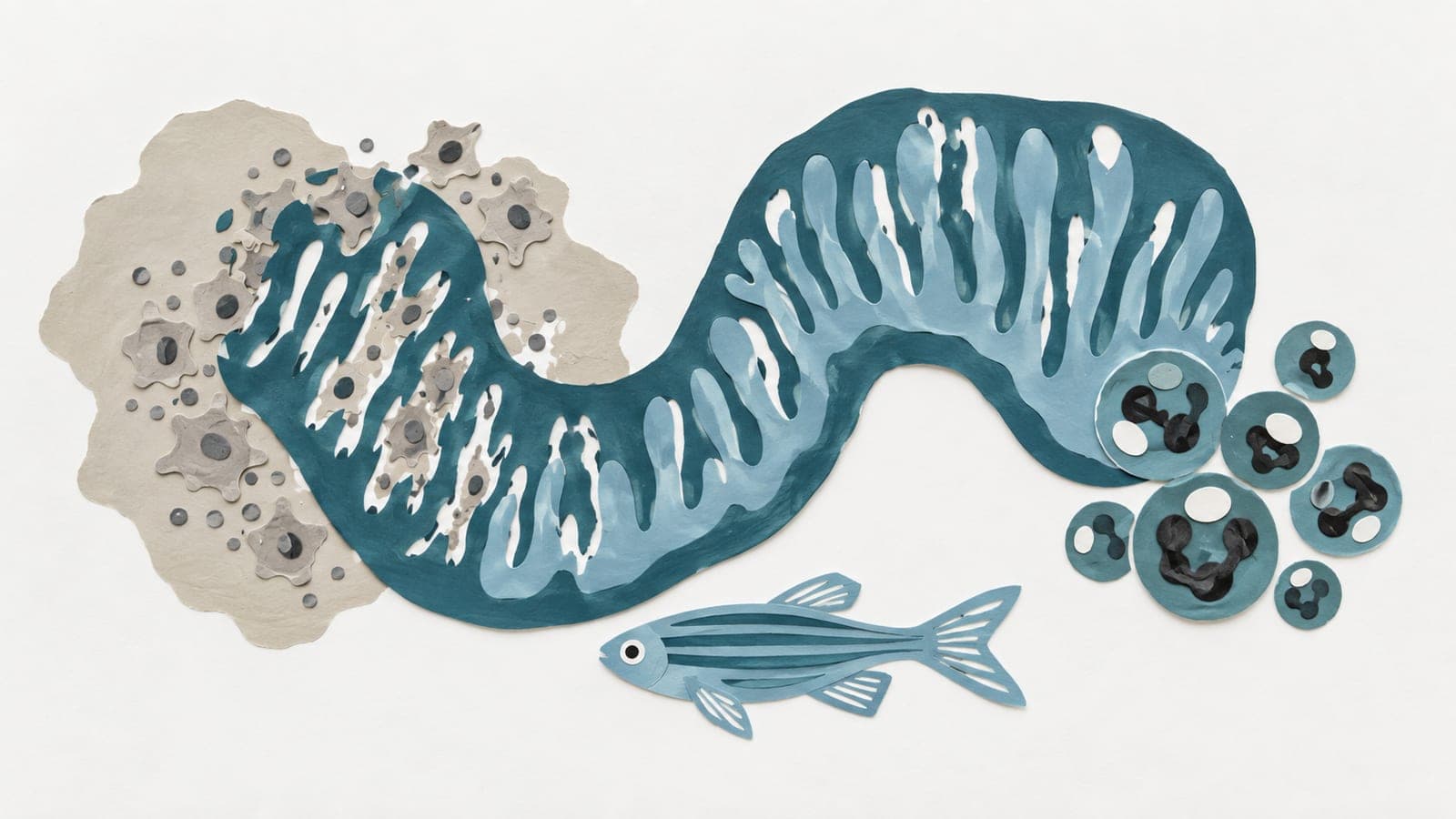
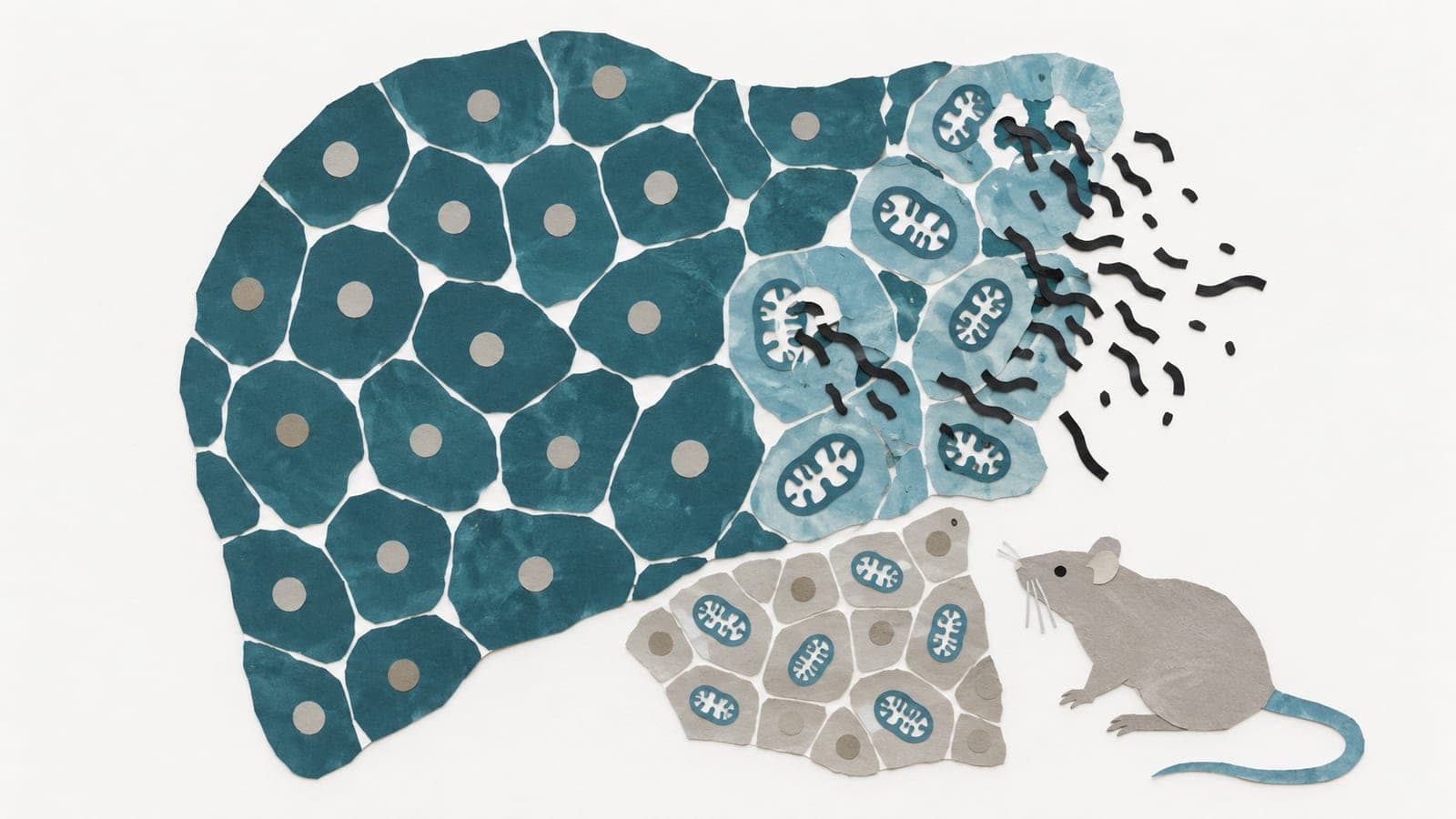
The Werner syndrome (WS) is characterized with both premature aging and tumorigenic phenotypes. In this study, we introduced a tumorigenic mutation p53N236S (referred to as p53S later), which is found in immortalized WS mouse embryo fibroblasts, back into WS mice to investigate its impact on the telomere dysfunction-induced aging process. Intriguingly, the introduction of p53S rescued the aging phenotypes of WS mice, showing the extension of the lifespan and the delay in organ degeneration. Further studies revealed that the introduction of p53S transcriptionally upregulated the DREAM/MMB pathway and downstream DNA helicases and telomere maintenance proteins, facilitated the recruitment of these proteins to G-quadruplex (G4) DNA structures proximal to DNA replication forks, and promoted the unwinding of G4. By comparing the cellular responses to pyridostatin and hydroxyurea, respectively, we confirmed that p53S specifically regulates G4-related DNA replication stress. Thus, p53S compensates the loss of Wrn and telomerase function, solves the DNA replication, telomere lengthening, and cell proliferation problems in WS cells, and ultimately rescues the aging phenotypes of WS. Together, our data indicate that certain tumorigenic features can be applied to balance with premature aging, rescuing the aging phenotype without tumorigenic risk. This study suggests a new mechanism in aging regulation and provides the possibility of developing a tumor-free longevity strategy and targeting G4 and DNA replication in aging-related tumor therapy.
The paper
Guiyang Medical University
Journal of Molecular Cell Biology, 8 Dec 2025