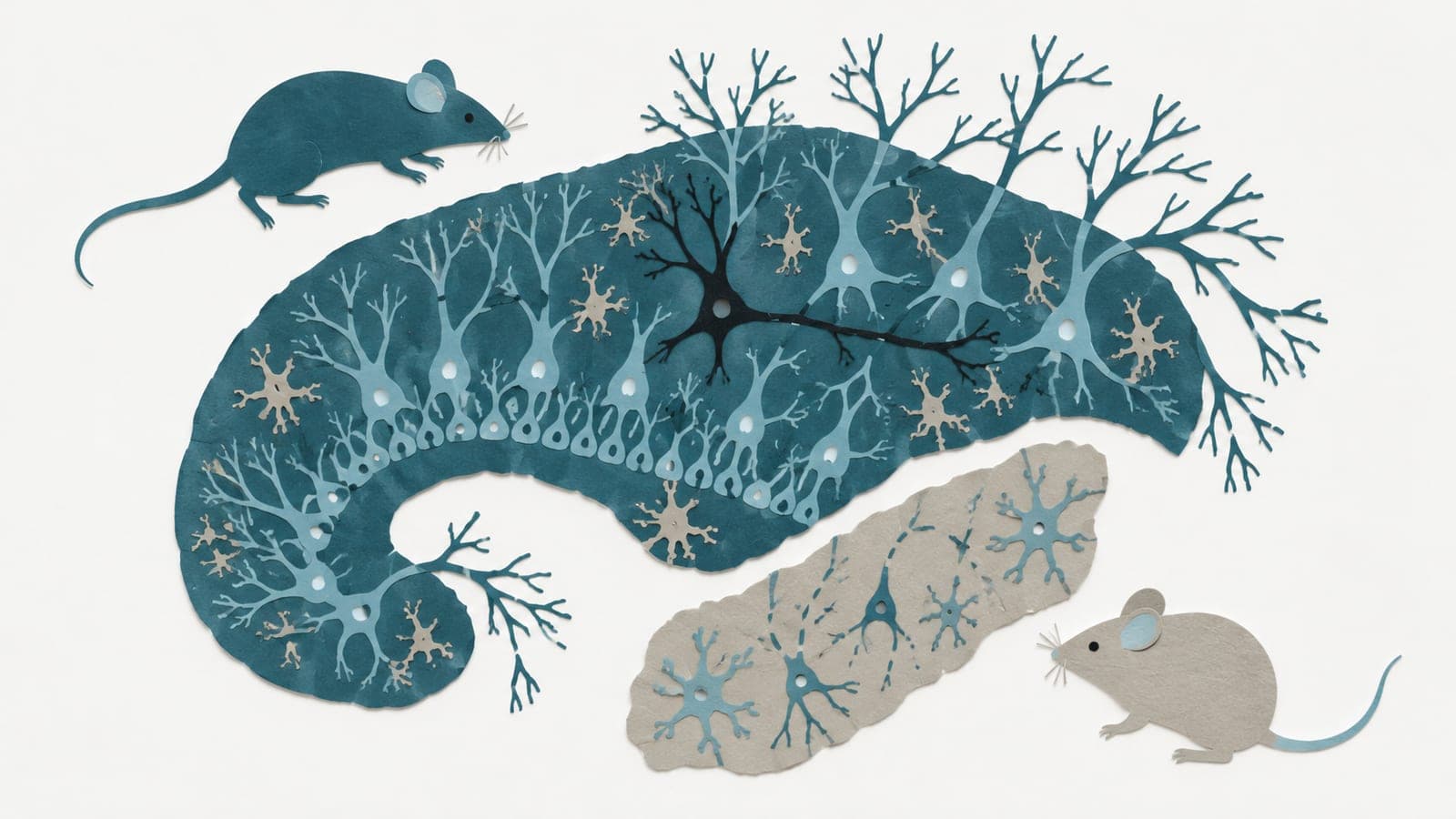
Strain-specific behavioral, neuromolecular, and gut microbiota responses to aging and stress in rats with contrast nervous system excitability
Abstract
Aging and stress are major risk factors for impaired neural plasticity and maladaptive behavior, and their interaction is shaped by genetic predispositions. We examined how aging and prior stress affect behavior, molecular markers of apoptosis and neuroplasticity, neuroinflammation, and the gut microbiota in rat strains selectively bred for contrasting nervous system excitability: high-threshold (HT, low-excitability) and low-threshold (LT, high-excitability). Adult (5-month-old) and middle-aged (14-month-old) males were studied with or without chronic emotional-pain stress in adulthood. Aging induced strain-specific behavioral and molecular profiles: in HT rats, reduced locomotion and increased freezing in the open field were accompanied by a lower amygdalar Bcl2/Bax ratio and higher Map2 expression, whereas LT rats presented fewer behavioral changes but increased Bax. Prior stress produced long-term, opposite effects: in HT rats it changed the gut microbiota composition, attenuated anxiety-like behavior and decreased amygdalar Bax, whereas in LT rats it increased anxiety with minor microbiota alterations. Overall, aging and stress produced distinct, strain-dependent signatures across behavior, gene expression, and microbiota composition. HT rats exhibit plasticity and microbiota remodeling consistent with resilience, whereas LT rats show limited behavioral flexibility and microbiota stability, a pattern potentially modeling vulnerability to stress-related aging. The use of contrasting excitability rat strains underscores the importance of genetic background for understanding individual variability in resilience and vulnerability to aging and stress.
The paper
Russian Academy of Sciences
Physiology & Behavior, 22 Nov 2025