Gut bacterium eased memory problems in obese middle-aged mice
In male mice fed a high-fat diet from 6 to 12 months of age, oral bacterial supplementation reduced weight gain and memory impairments.
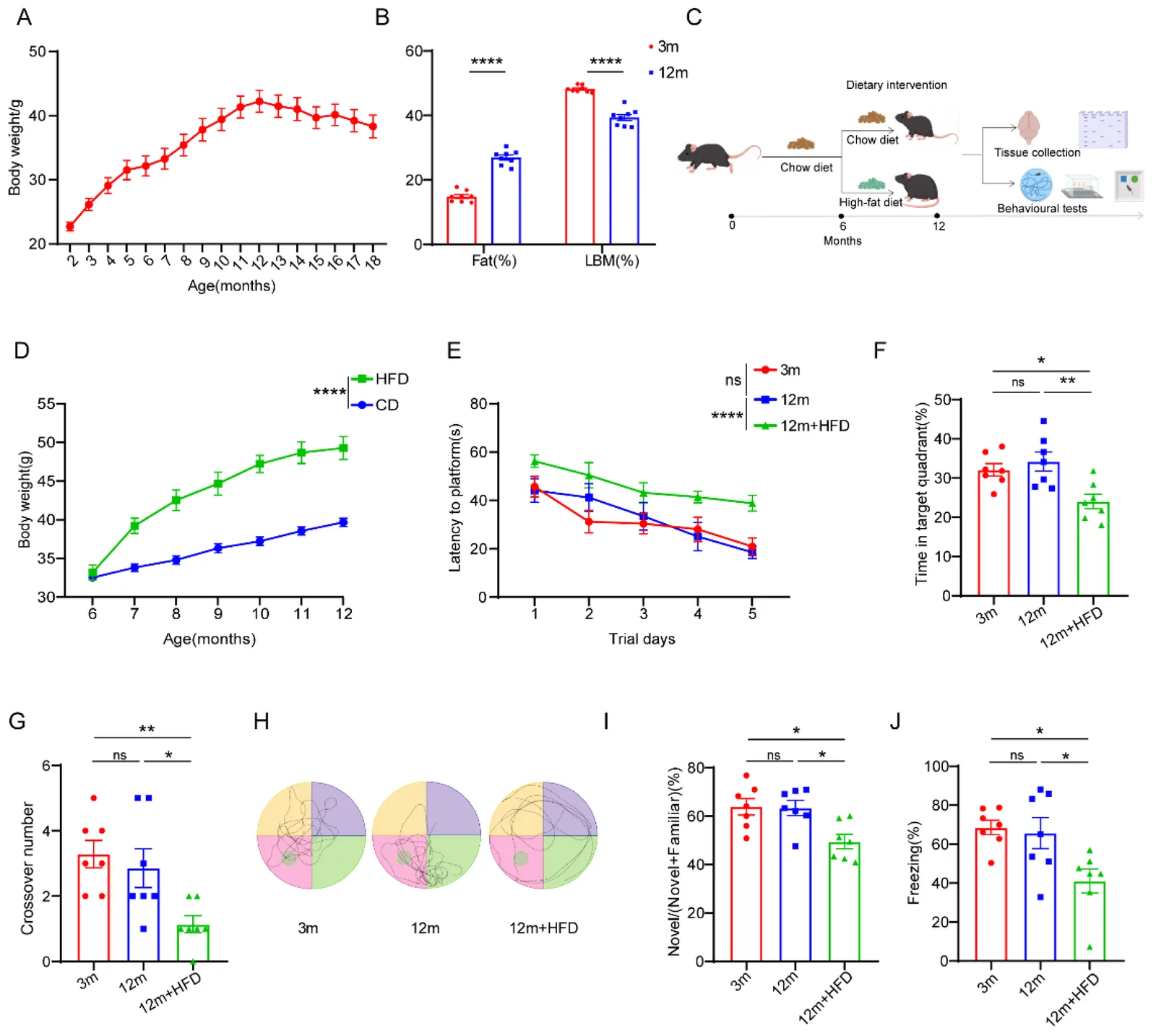
An experiment in male mice of the C57BL/6J strain tested the effects of a high-fat diet during midlife, from 6 to 12 months of age. The researchers also tested oral supplements of Akkermansia muciniphila, a gut bacterium. The diet impaired several types of memory and reduced levels of the bacterium in the gut. Supplementation reduced diet-induced weight gain and eased problems with memory for places, recognition and context.
In the hippocampus, a brain region involved in memory, supplementation reduced excessive activation of glial cells, which support nerve cells. It also reduced increases in inflammation-promoting substances, reduced nerve-cell loss and preserved the integrity of connections between nerve cells.
Why it matters
Midlife obesity is a risk factor for age-related cognitive decline. The work points to gut microbes as a possible early intervention target for that decline.
Caveats
This experiment in male mice does not establish benefits in people. The abstract did not report sample sizes, supplement dose or supplementation duration.
The paper
Capital Medical University
International Journal of Molecular Sciences, 30 Sep 2026, Open access