Tissue-Resolved Transcriptome-Wide Association Study Reveals Targeted NAD⁺ Salvage, Synaptic Refinement, and Reduced Insulin Drive as Transcriptional Mechanisms of Human Lifespan
Abstract
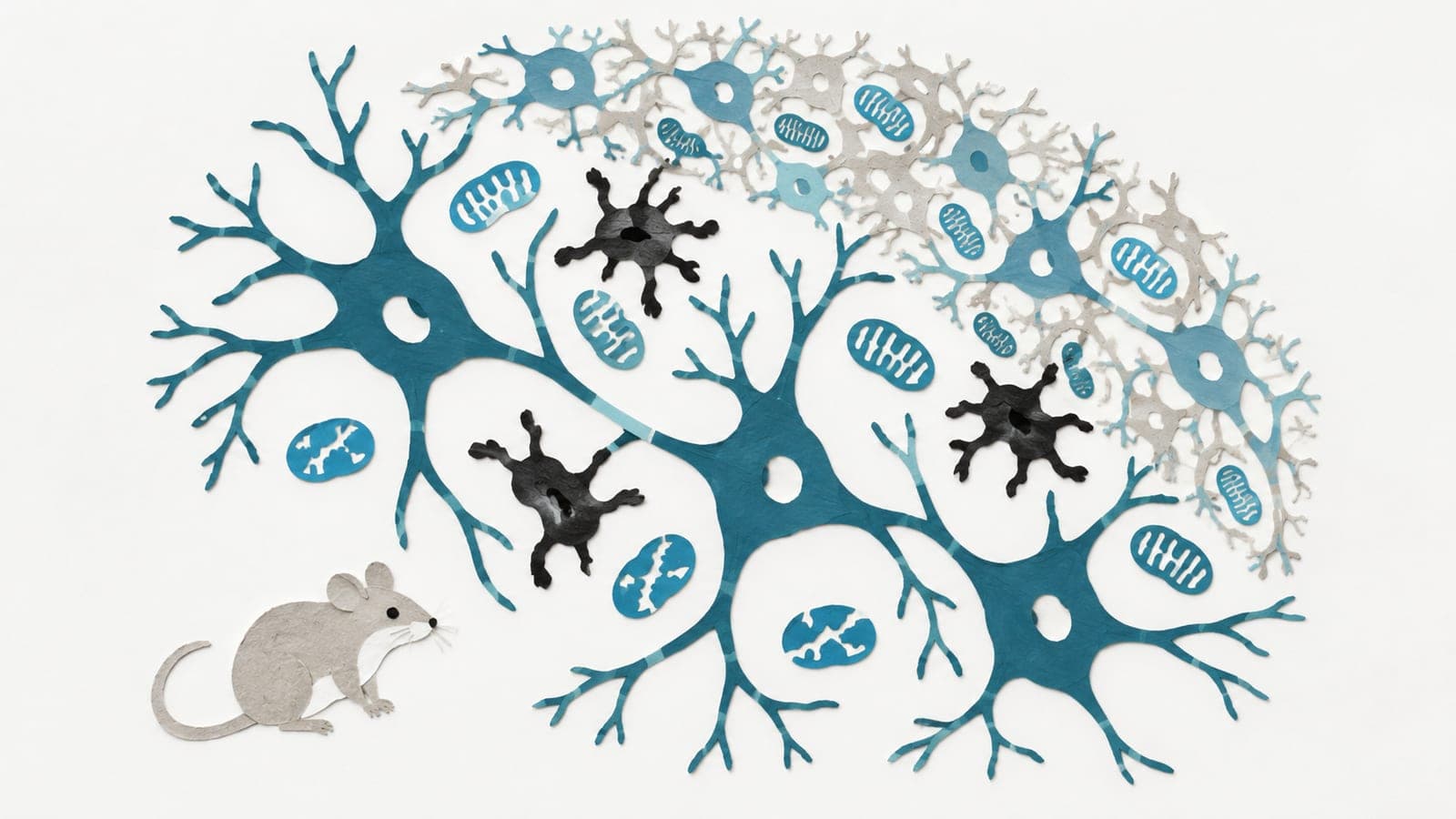
Human lifespan is a complex polygenic trait shaped by common genetic variants that seem to act mainly through protection from age-related disease rather than through a single, general ageing program (Timmers et al., 2019). To move from association signals toward plausible biology, we carried out a multi-tissue transcriptome-wide association study using the common-effect-size parental-lifespan GWAS summary statistics reported by Timmers et al. (2019), which included 1,012,240 parents, together with GTEx v8 eQTL weights across 49 tissues. We then tested directional enrichment in seven gene-set categories chosen in advance because of their relevance to longevity biology.The clearest positive signal came from nicotinate and nicotinamide metabolism, especially in brain caudate, cortex, and frontal cortex, with much of the signal driven by increased predicted expression of the axonal NAD⁺ salvage gene NMNAT2. By contrast, genes involved in glucose-stimulated insulin secretion showed consistent negative enrichment, most strongly in peripheral tissues, whereas selected GLP-1 regulatory modules were modestly positive. Programs related to synaptic plasticity and long-term potentiation were downregulated, while synapse-pruning and microglial signatures were upregulated and astrocyte signatures were downregulated. Cellular senescence pathways showed little coherent pan-tissue directionality, and mitochondrial or oxidative phosphorylation programs were heterogeneous rather than uniformly shifted in one direction.Taken together, these results suggest that common variants linked to longer lifespan converge on selective brain NAD⁺ salvage, lower chronic insulin drive, synaptic network refinement, and targeted cellular clearance. The findings sharpen the disease-protection architecture described by Timmers et al. (2019) and generate gene-level mechanistic hypotheses, including NMNAT2, PDE8B, and BCL2L2, that may help explain how non-coding GWAS loci influence survival. They also point to possible precision-medicine applications, such as pathway-informed polygenic scores that might help stratify responses to NAD⁺ precursors or GLP-1 receptor agonists. Colocalization, Mendelian randomization, and experimental validation will be needed to establish causality and to assess how well these findings generalize across ancestries.
- Cellular senescence
- GLP-1 and incretin signalling
- Insulin/IGF-1 signalling
- Astrocyte signatures
- Microglial signatures
- Humans
The paper
Figshare, 7 Apr 2026, Open access, CC BY, Preprint, not peer-reviewed