DNA marks differ in 194-year-old Jonathan the tortoise
Chemical marks on Jonathan’s DNA differed from those of four other Aldabra giant tortoises, ranging from a 5-year-old juvenile to older adults.
Science Advances
In a comparative study of Aldabra giant tortoises (Aldabrachelys gigantea), researchers sequenced 194-year-old Jonathan’s DNA and mapped DNA methylation, chemical marks attached to DNA. Compared with other giant tortoises of two species, he had unique gene variants in most biological pathways involved in aging.
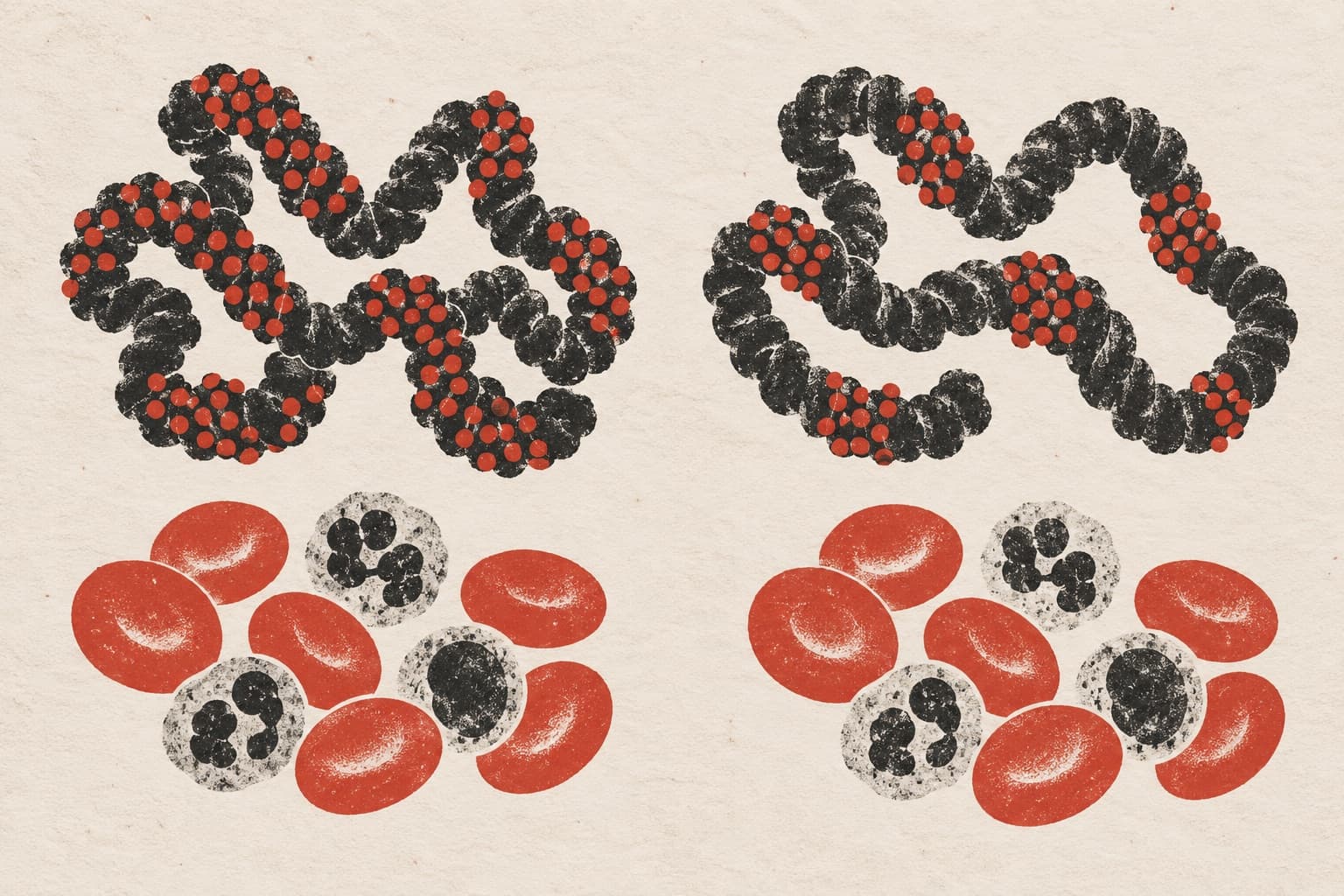
His DNA marks also differed substantially from those of four other Aldabras. The researchers measured methylation entropy, the disorder in these marks. Regions with less disorder were enriched for promoters, DNA regions that control gene activity, of genes involved in cellular energy production and processing RNA, molecules that help cells use genetic instructions. This suggested that accurately copying genes into RNA in these pathways may be crucial for long-lived species.
Why it matters
The findings support a proposed aging model linking the maintenance of orderly DNA marks at gene promoters with efficient energy production, RNA processing and DNA repair.
Caveats
These comparisons cannot establish whether the DNA patterns contributed to Jonathan’s longevity. The methylation analysis compared one exceptionally old tortoise with four others.
The paper
Epigenetic insights into extreme longevity in the world's oldest terrestrial animal, Jonathan
Show 18 more authors
Vinayak Kapatral, James M Ford, Madison L Taylor, Mathia Colwell, Jonathan Hollins, Sam Pascucci, Konstantin Weissenow, Burkhard Rost, Pascal Notin, Justin Gerlach, Thomas C Terwilliger, Li-Wei Hung, Lars Juhl Jensen, Kathlyn Reed, Todd R Robeck, Steve Horvath, Christopher Faulk, Yanjun Ma,Kallel Foundation
Science Advances · 7 Oct 2026