Telomere Dysfunction and Extracellular Matrix Remodeling
Abstract
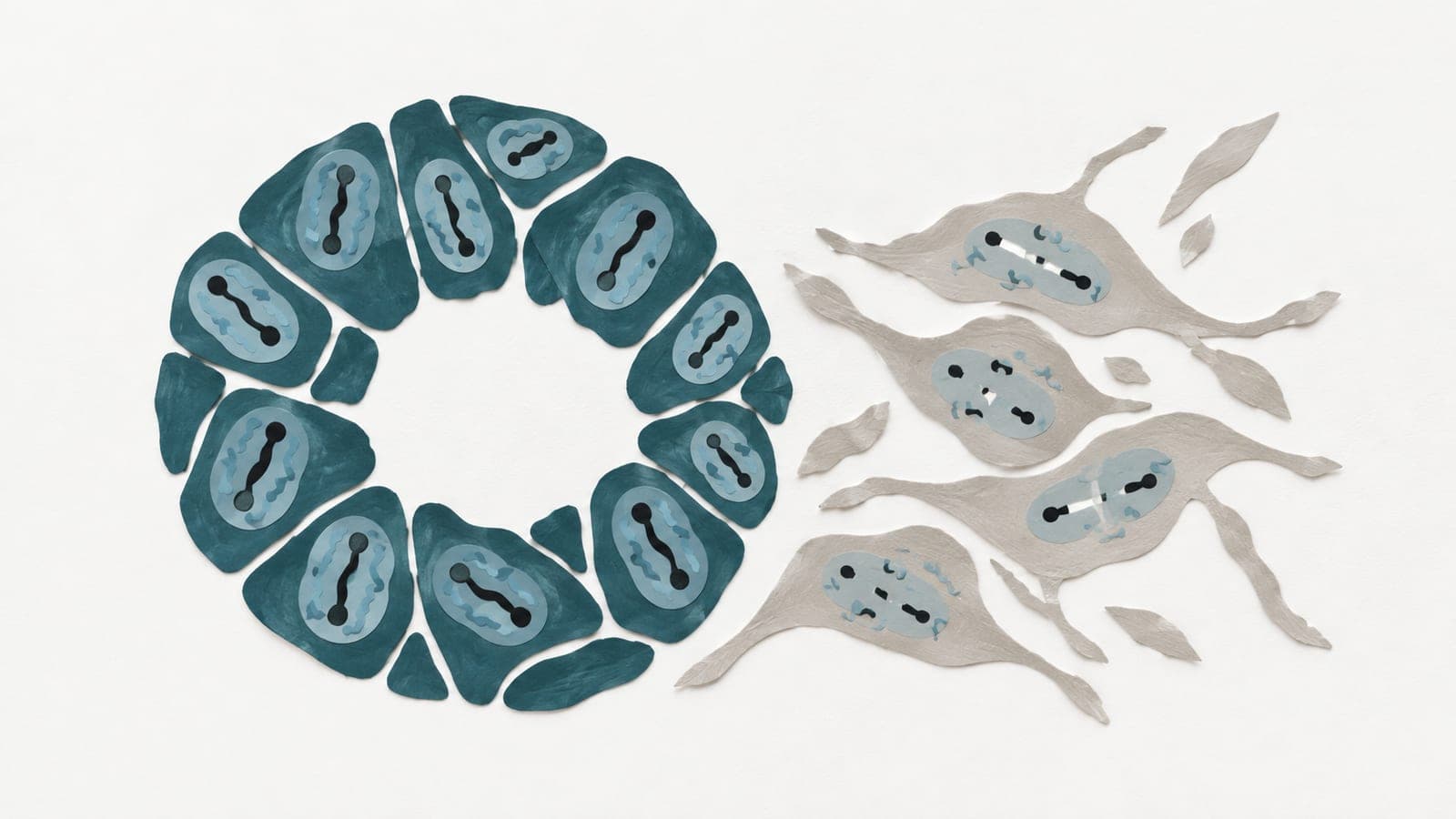
Telomeres and the extracellular matrix (ECM) are often studied as distinct contributors to aging and chronic diseases, yet growing evidence suggests they are deeply interconnected. This review explores the relationship between these two systems in both directions. Telomere shortening, shelterin defects, and loss of telomerase activity can promote senescence, stress responses, myofibroblast transition, and progressive matrix deposition. In turn, stiffness of the ECM, collagen-rich environments, and hyaluronan-linked signaling can shape telomerase activity, proliferative capacity, and telomere-associated damage responses. We bring together evidence from genetic mouse models, mechanistic cell-based studies, and human tissue analyses across the lung, kidney, vasculature, and heart to examine how telomere dysfunction and ECM remodeling influence one another during aging and disease progression. We focus on epithelial cells, fibroblasts, smooth muscle cells, and tubular cells, and discuss key pathways linking telomere biology and ECM regulation, including TRF1, TERT, TGF-β, cGAS–STING, VCAM-1, and mechanotransduction signaling. Taken together, the current findings suggest that telomere dysfunction is not only a marker of tissue aging but it is also an active driver of persistent ECM remodeling and fibrosis, while signals from the ECM can in turn influence telomere maintenance and cellular senescence. This bidirectional relationship provides a clearer framework for understanding how age-related cellular damage progresses into chronic tissue scarring.
The paper
Preprints.org, 25 May 2026, Open access, CC BY, Preprint, not peer-reviewed