Brain charts linked to progression to dementia in people
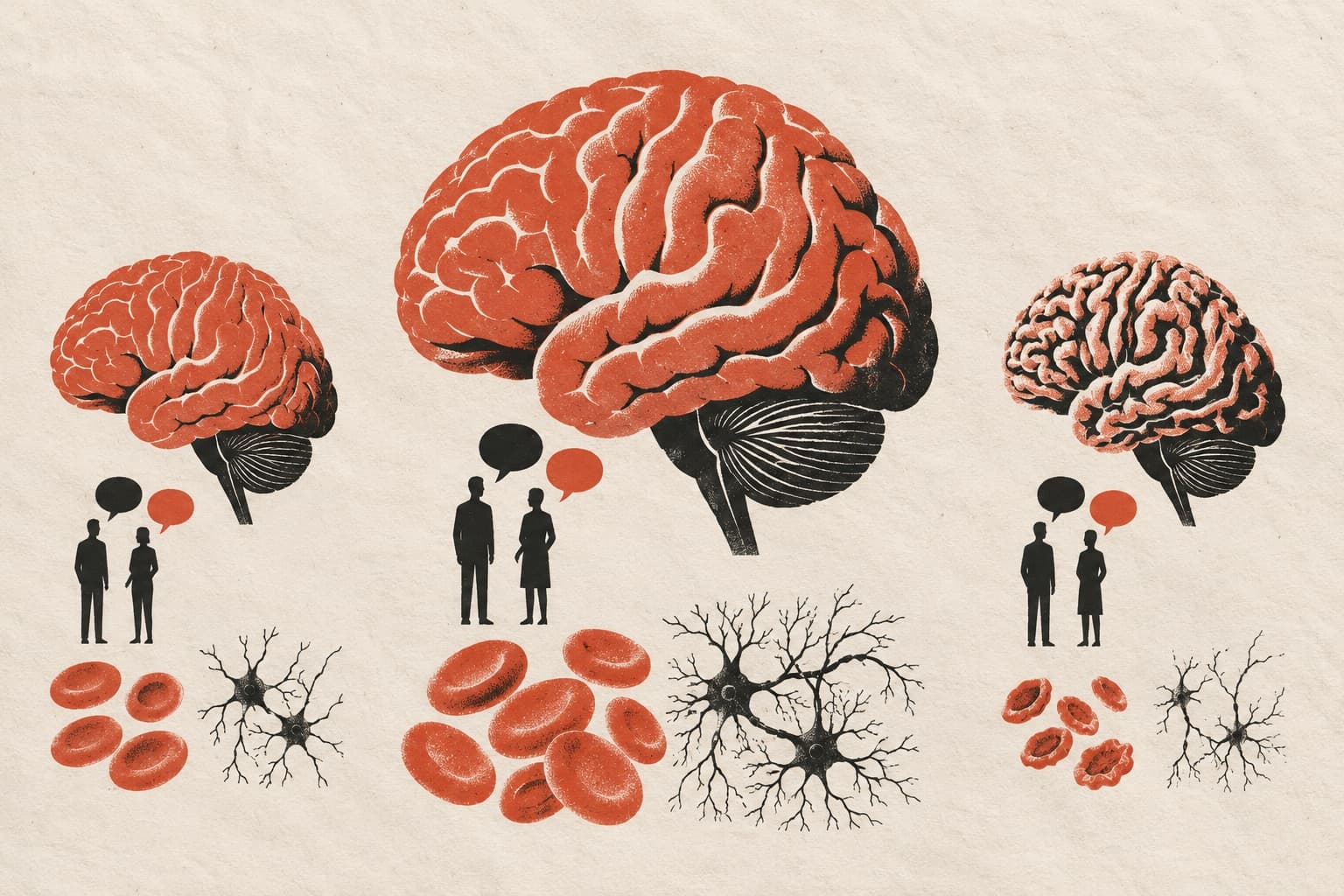
An observational analysis found that brain-structure measures added information about progression to mild cognitive impairment and dementia beyond a clinical rating of impairment.
Paper by Sharma N, Dai S, Mallus FA et al.
In people in the Alzheimer’s Disease Neuroimaging Initiative, an observational analysis tested whether brain-structure measures predicted progression to mild cognitive impairment or dementia. Mild cognitive impairment involves problems with memory or thinking.
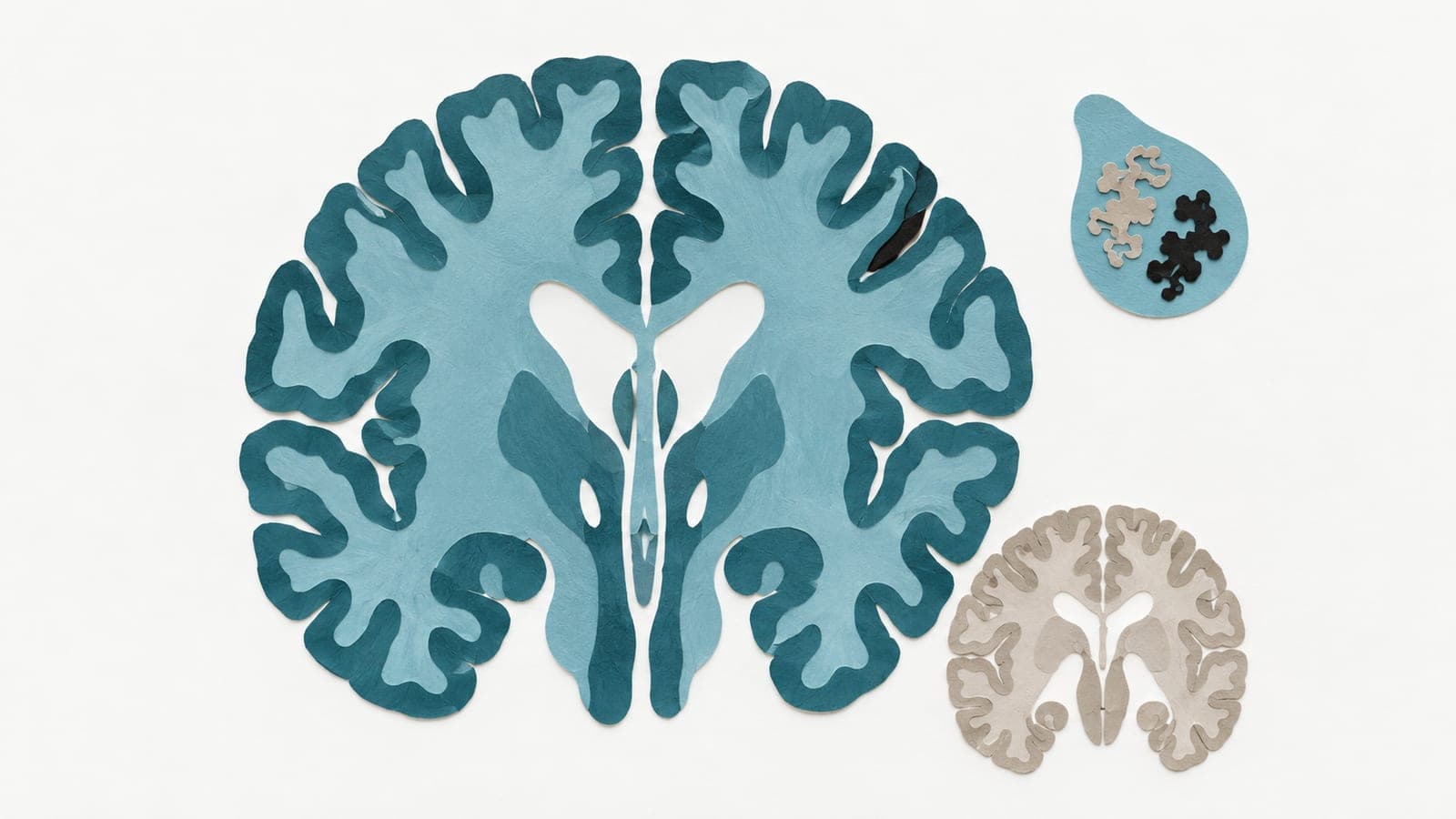
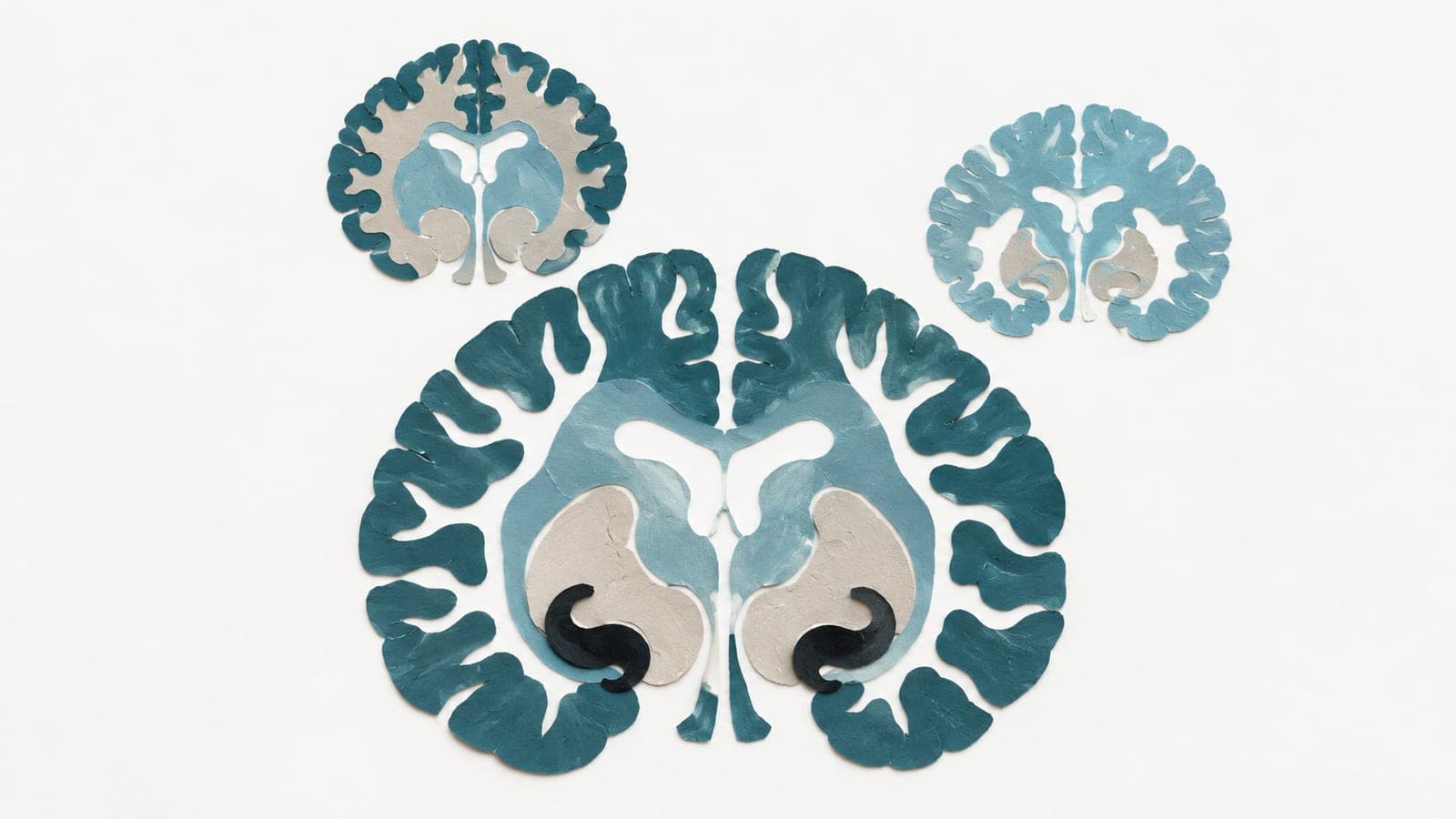
The researchers built brain charts using 21,351 healthy individuals from 216 sites. The charts described the expected thickness of the brain’s outer layer, given the volume of deeper brain structures. Accounting for ten such structures improved predictions in data not used to fit the models, on average. In the Alzheimer’s study, overall departures from healthy reference values added predictive information beyond a clinical rating of impairment. So did a measure of how much those departures shrank when the charts accounted for deeper structures. This second measure also added information about progression to dementia beyond overall departures, even among people with similar recorded impairment.
Why it matters
Brain structure varies across the lifespan. The study addressed whether accounting for relationships between brain regions could make comparisons with healthy patterns more informative about Alzheimer’s disease progression.
Caveats
The observational findings do not show that differences in brain structure caused progression. The report is a preprint and has not been peer-reviewed.
- Modelling and theory
- Resources: datasets, atlases and tools
- Dementia
- Mild cognitive impairment
- Alzheimer's disease
- Humans
The paper
Sharma N, Dai S, Mallus FA et al.
arXiv, 15 Oct 2026, Open access, CC BY, Preprint, not peer-reviewed