Causal discovery identifies pathways linking physical activity to dementia risk in the UK BioBank
Abstract
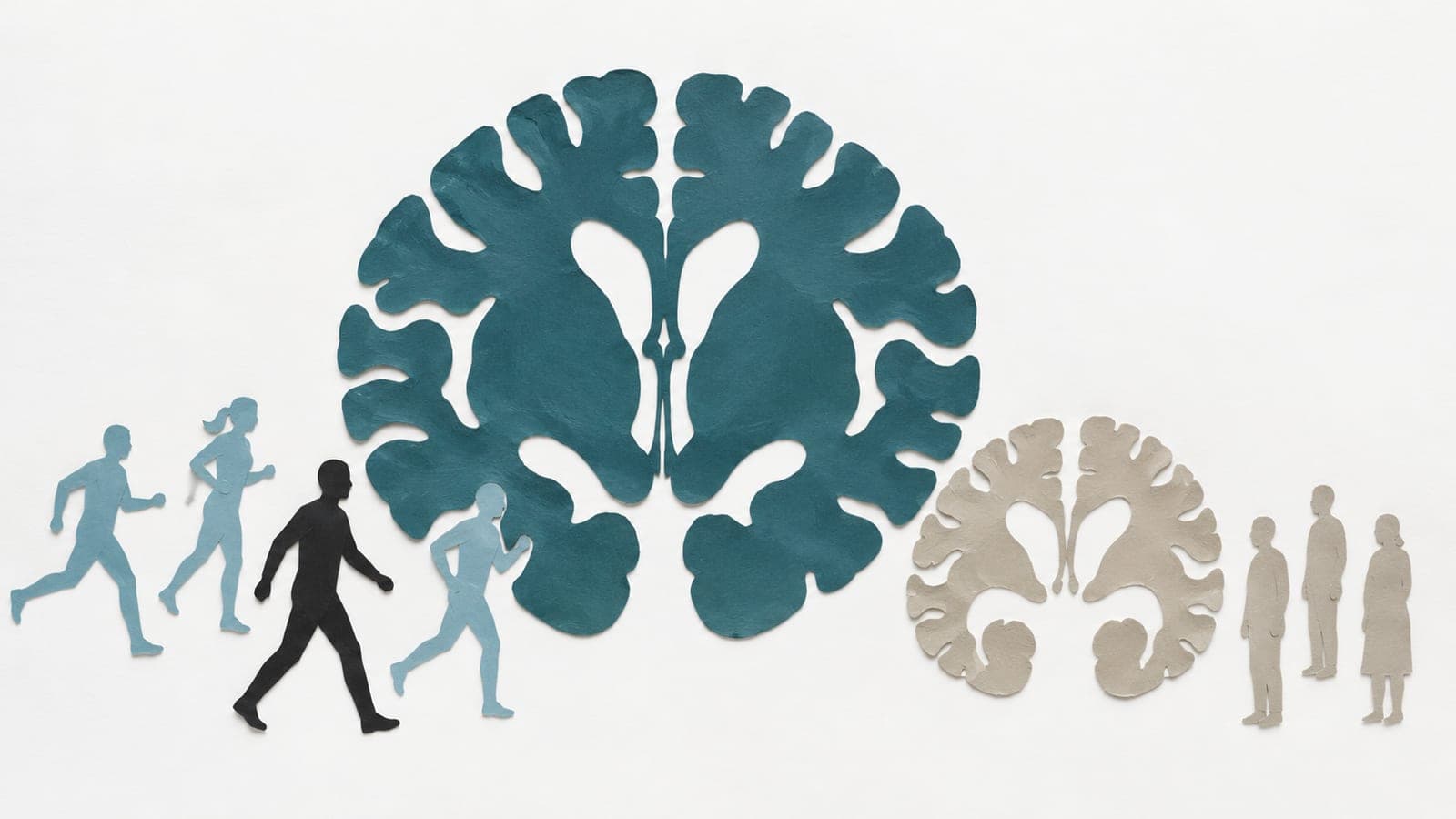
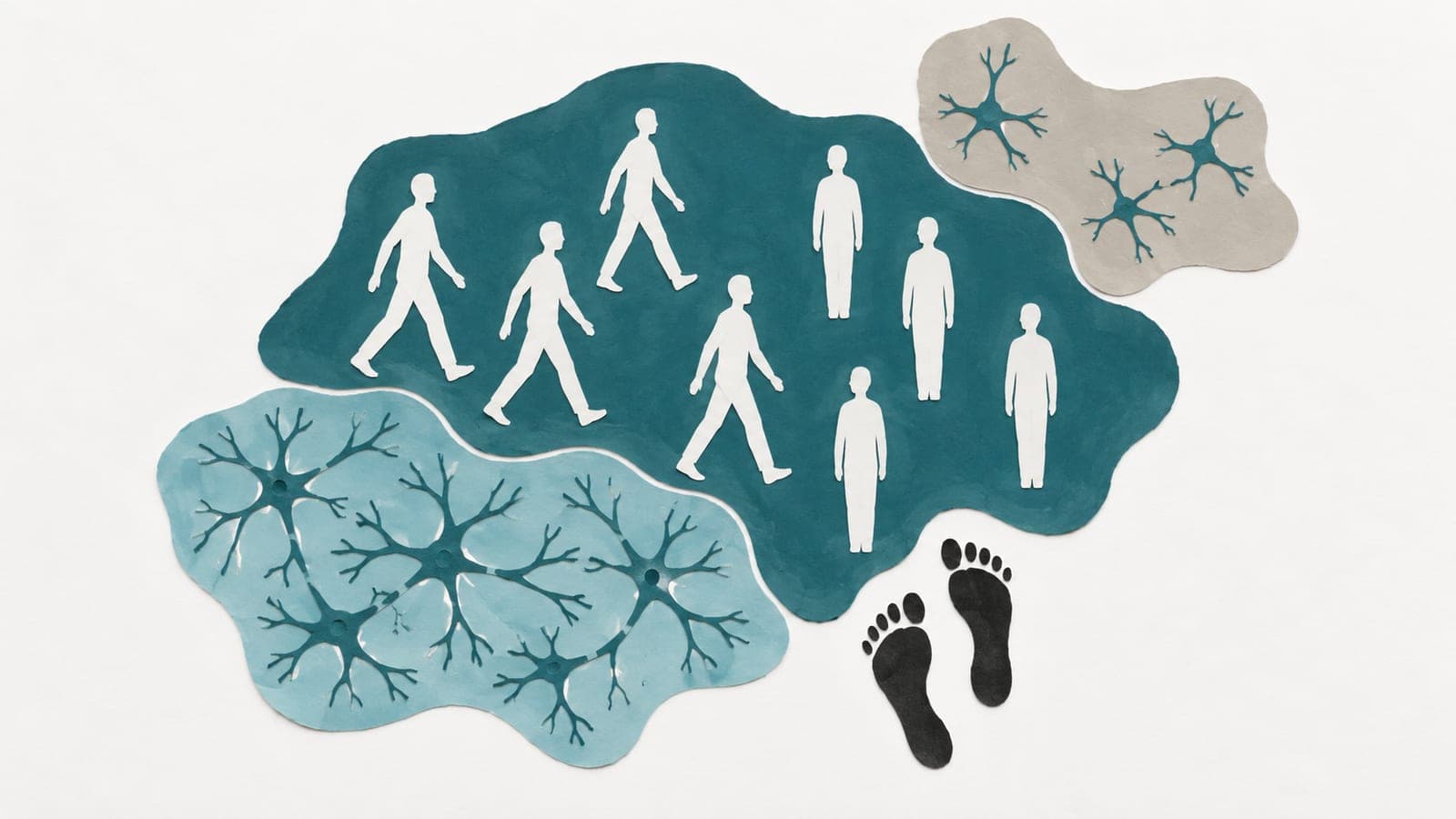
Physical Activity (PA) is consistently associated with lower risk of dementia, yet the mechanism linking PA to dementia prevention remain incomopletely understood. Here, we integrate large language model (LLM)-guided causal discovery with mediation analysis in 42,293 older adults aged 60 years or older from the UK Biobank to systematically identify pathways connecting objectively measured moderate-to-vigorous physical activity (MVPA) to dementia risk. Across behavioral, psychological, functional, and clinical domains, causal discovery consistently identified interconnected pathways linking higher MVPA to lower dementia risk through depression, functional capacity, smoking behavior, hypertension, cardiovascular disease, chronic kidney disease, and brain injury. Chain mediation analyses further identified depression as a central pathway, accounting for 15.1% of the overall association between MVPA and dementia risk. Sex-stratified analyses revealed distinct mechanistic patterns, with females exhibiting predominantly metabolic and functional pathways, while males showed behavioral and cardiometabolic cascades involving smoking and cardiovascular disease. Together, these findings suggest that the protective association between PA and dementia is mediated through interconnected behavioral, psychological, and cardiometabolic processes rather than a single pathway. Depression emerged as a prominent and potentially modifiable pathway, highlighting opportunities for integrating dementia prevention strategies that combine PA promotion with mental health and cardiovascular risk management.
From the paper
- Participants
We utilized accelerometer-derived PA data from 103,612 participants who completed a 7-day wrist-worn assessment between 2013 and 2015.
Quoted word for word from the full text on arXiv.
The paper
arXiv, 12 Sep 2026, CC BY, Preprint, not peer-reviewed