Blood immune proteins are linked to cardiovascular diseases
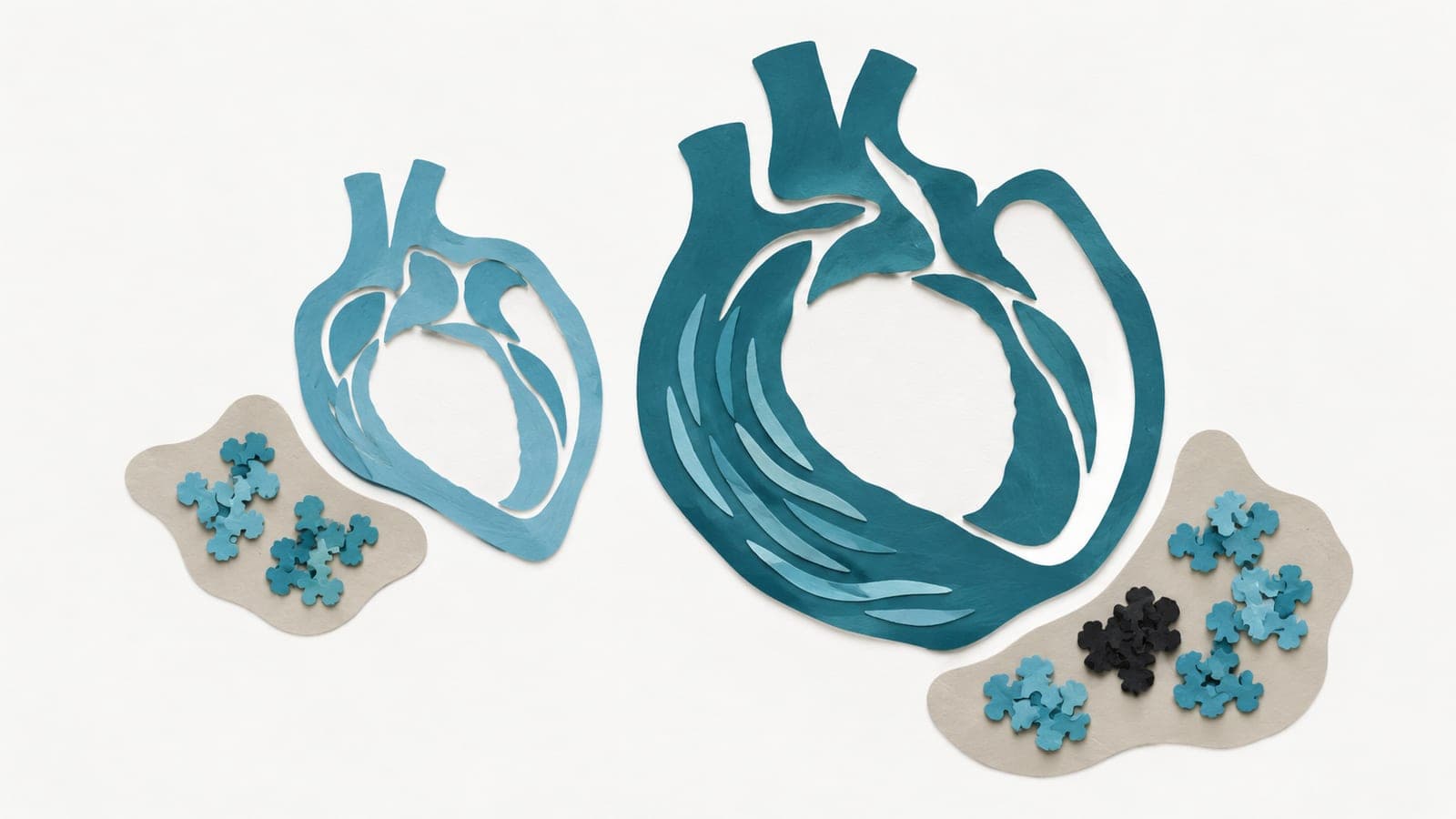
A genetic analysis tied 220 immune genes to 381 diseases, with cardiovascular conditions making up 67 of 176 top target–disease pairs.
Limit: The study relied on genetic variants as stand-ins for protein activity in people
Edited by Boris Djordjevic · AgingResearch.News
In a preprint analyzing genetic data from large human population databases, researchers carried out a Mendelian randomization study, a method that uses inherited genetic differences to evaluate links between traits and diseases. The team tested 1,007 blood immune proteins against 2,469 health conditions using records from the FinnGen project and the UK Biobank. Across more than 1.6 million tests, 1,016 links connecting 220 immune genes to 381 diseases met the statistical threshold, and 89 associations were confirmed in the UK Biobank. Cardiovascular conditions showed the largest concentration of high-confidence links, accounting for 67 of 176 core target–disease pairs. High blood pressure was linked to 28 immune proteins. Five pairs met the highest standard of evidence, including the protein ANXA2 with high blood pressure and PPP3R1 with venous and lymphatic disease.
Why it matters
Changes in the immune system and chronic inflammation are widely recognized features of aging that contribute to cardiovascular disease. Mapping how circulating immune proteins connect to these conditions may help researchers identify candidate targets for drugs to treat diseases that become more common with age.
Caveats
The study relied on genetic variants as stand-ins for protein activity rather than testing the effects of changing protein levels in people. In addition, the paper is a preprint that has not yet been peer-reviewed.
The paper
University of Alabama at Birmingham
Research Square, Oct 21, 2026, Open access, Preprint, not peer-reviewed