Immune cell ratio linked to healthy and disease-related aging
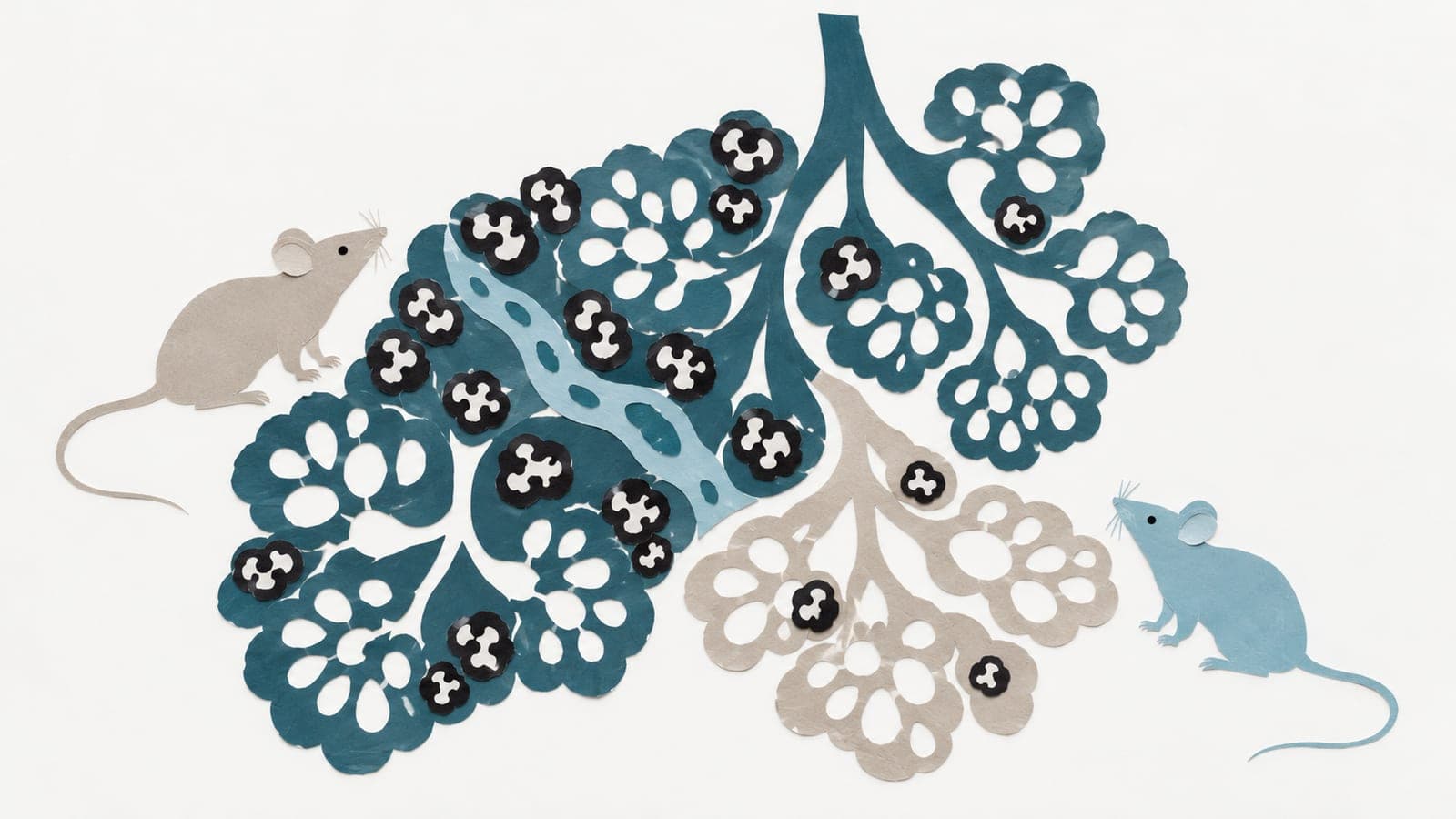
An observational analysis of 2,609 apparently healthy people linked the balance of two memory immune-cell groups to healthy and disease-associated aging patterns.
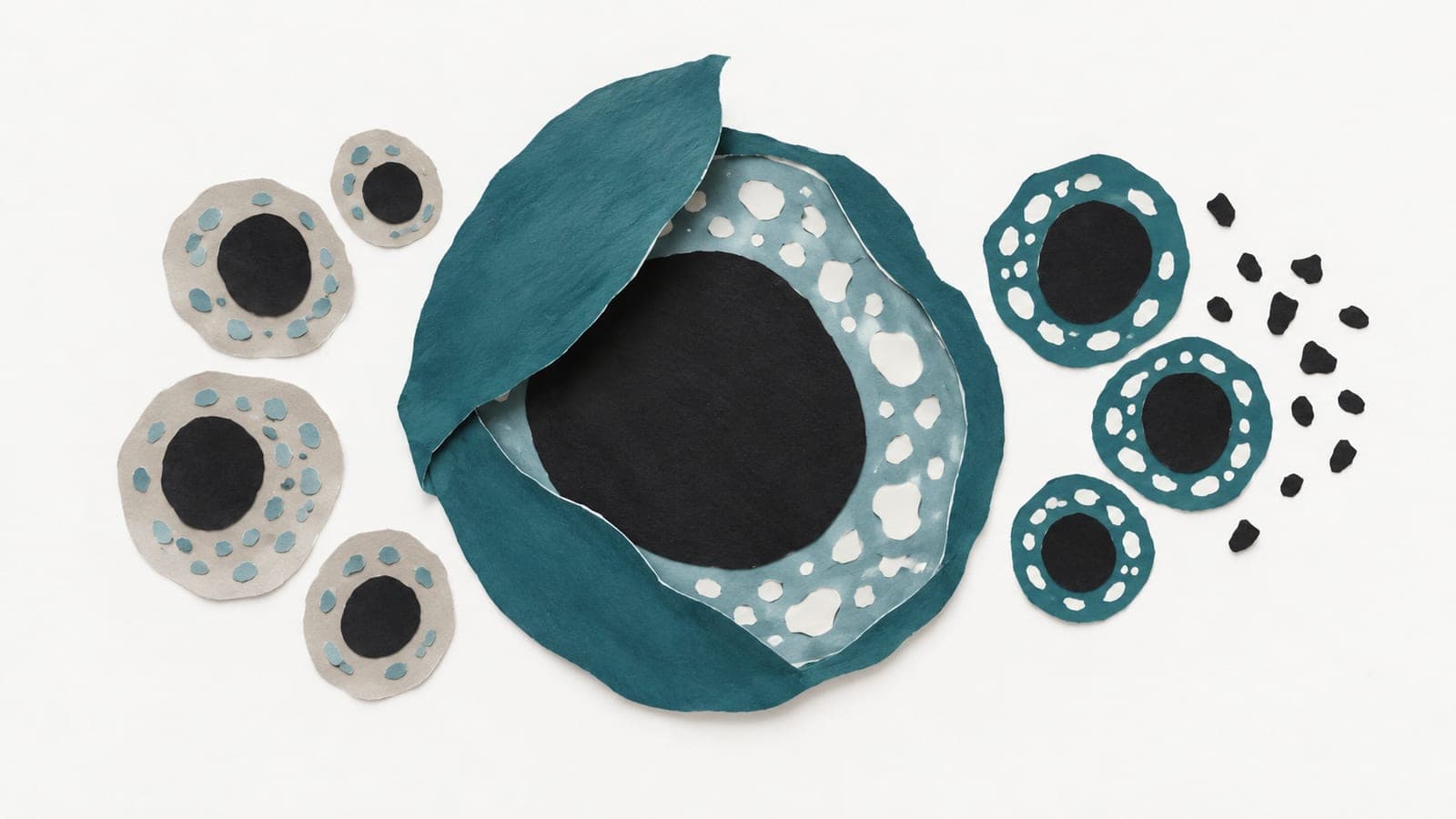
In 2,609 apparently healthy people of diverse ages, ancestries and biological sexes, researchers analysed data on individual blood immune cells. This observational study combined seven public datasets with a newly generated cohort.
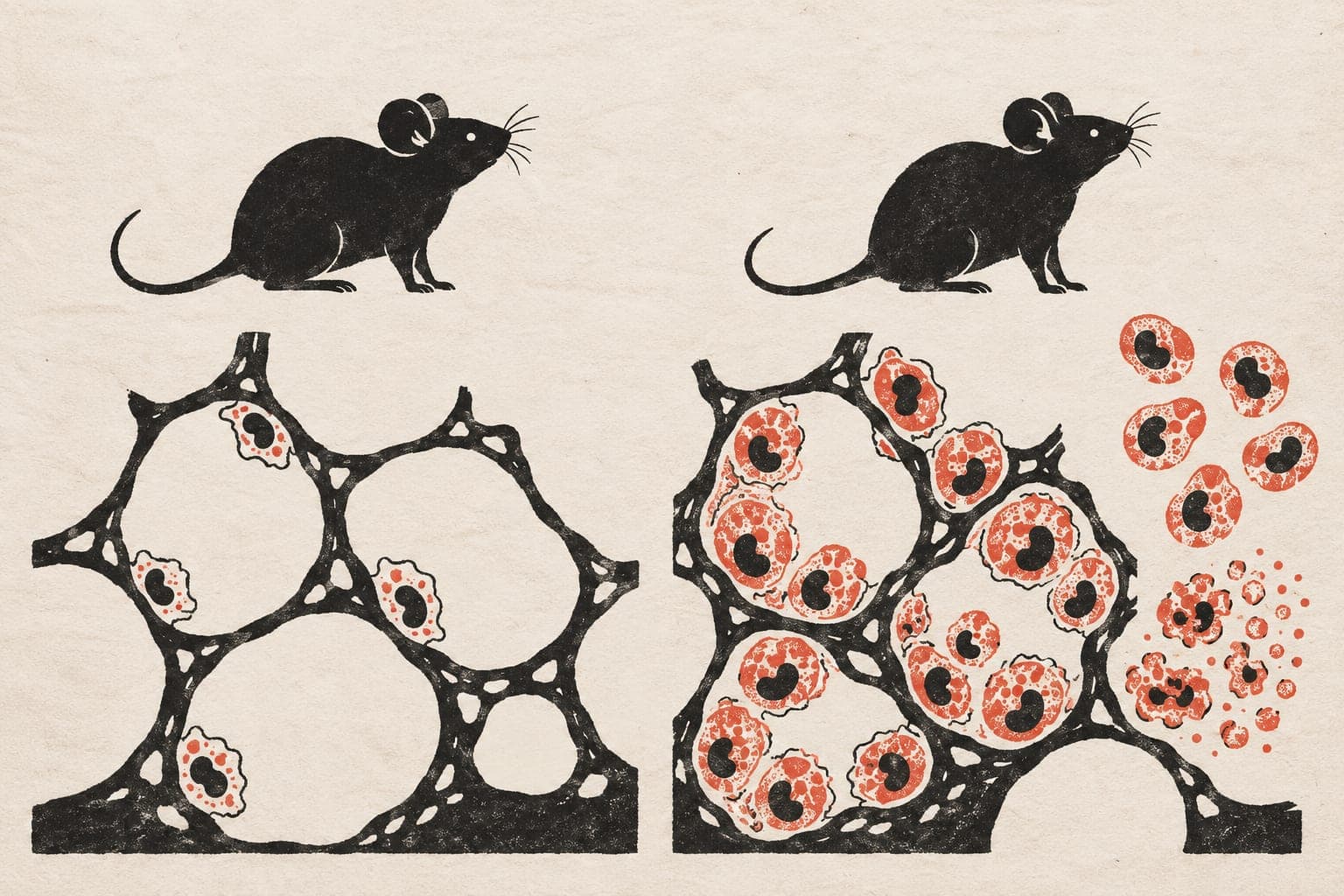
They identified age-associated changes across 59 immune-cell groups, alongside sex- and ancestry-related differences. The ratio between two groups of effector memory T cells—immune cells ready to respond to previously encountered threats—was linked to healthy and disease-associated aging patterns. The groups were distinguished by different proteins. The ratio reflected immune changes linked to chronic viral exposure and disease-related disruption of immune function. The main contributor varied across populations. In protein analyses across four cohorts, a blood protein pattern associated with one of these groups was linked to age-related inflammation, poorer self-reported health, death from any cause and risks of several diseases.
Why it matters
Immune responses become more variable over the lifespan. The authors suggest that these immune features may help monitor healthy aging and guide interventions.
Caveats
The observational design cannot establish whether these immune features cause changes in health. It also does not show whether changing them would improve health.
The paper
Washington University School of Medicine
Immunity, 9 Oct 2026