Deep multimodal clustering identifies biological subtypes of normal aging with divergent cognitive decline risk
2 years, independent replication
Abstract
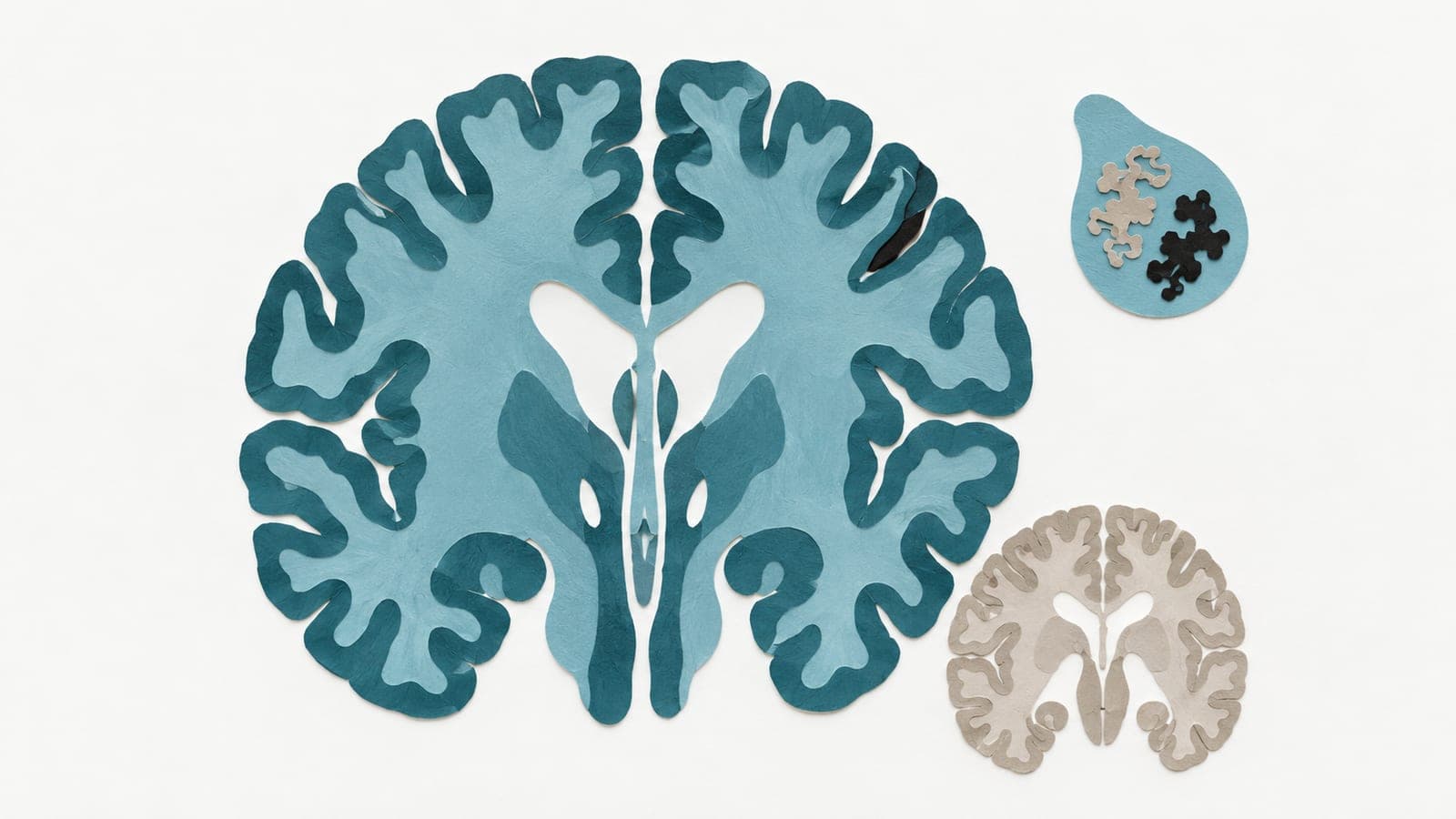
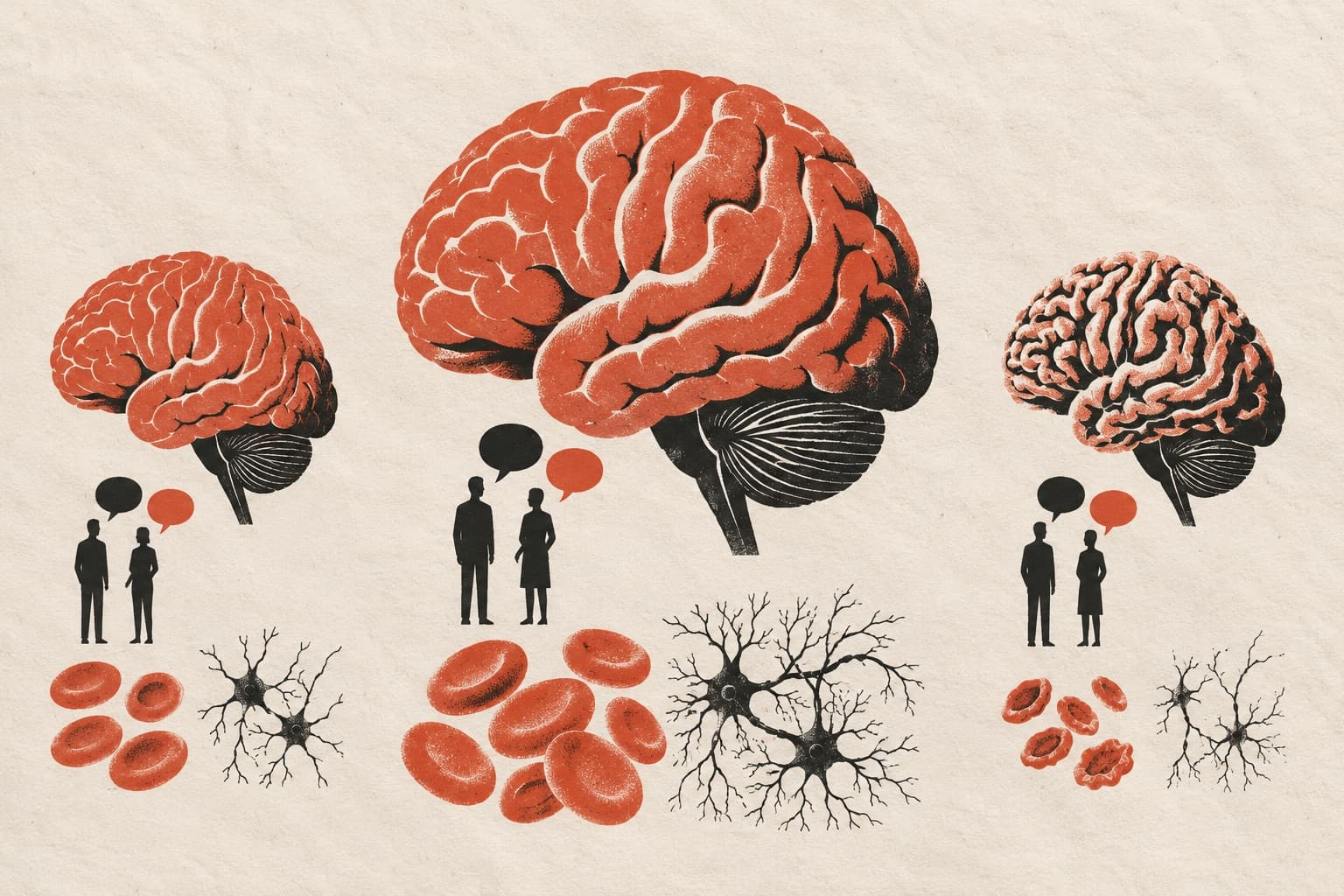
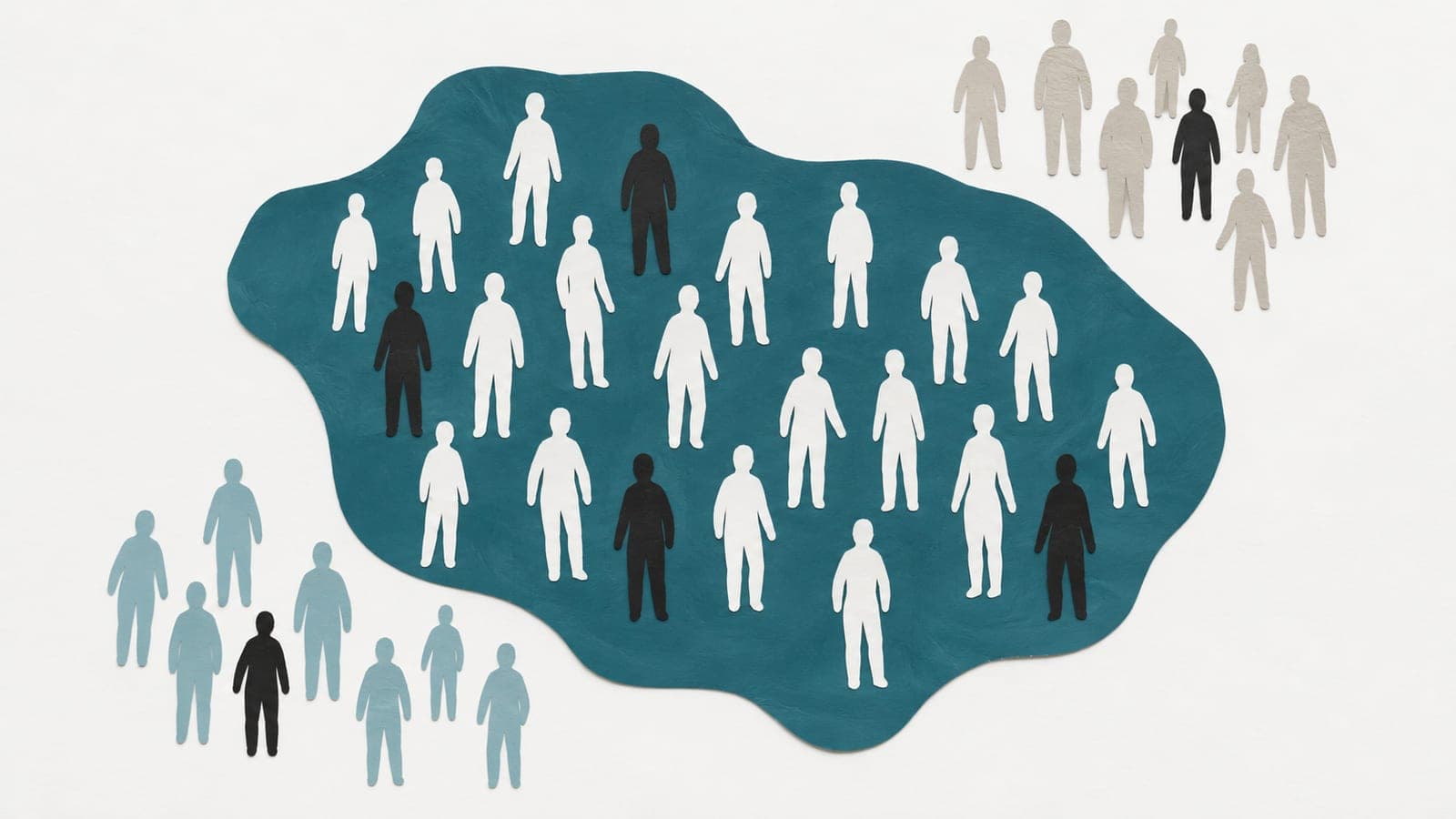
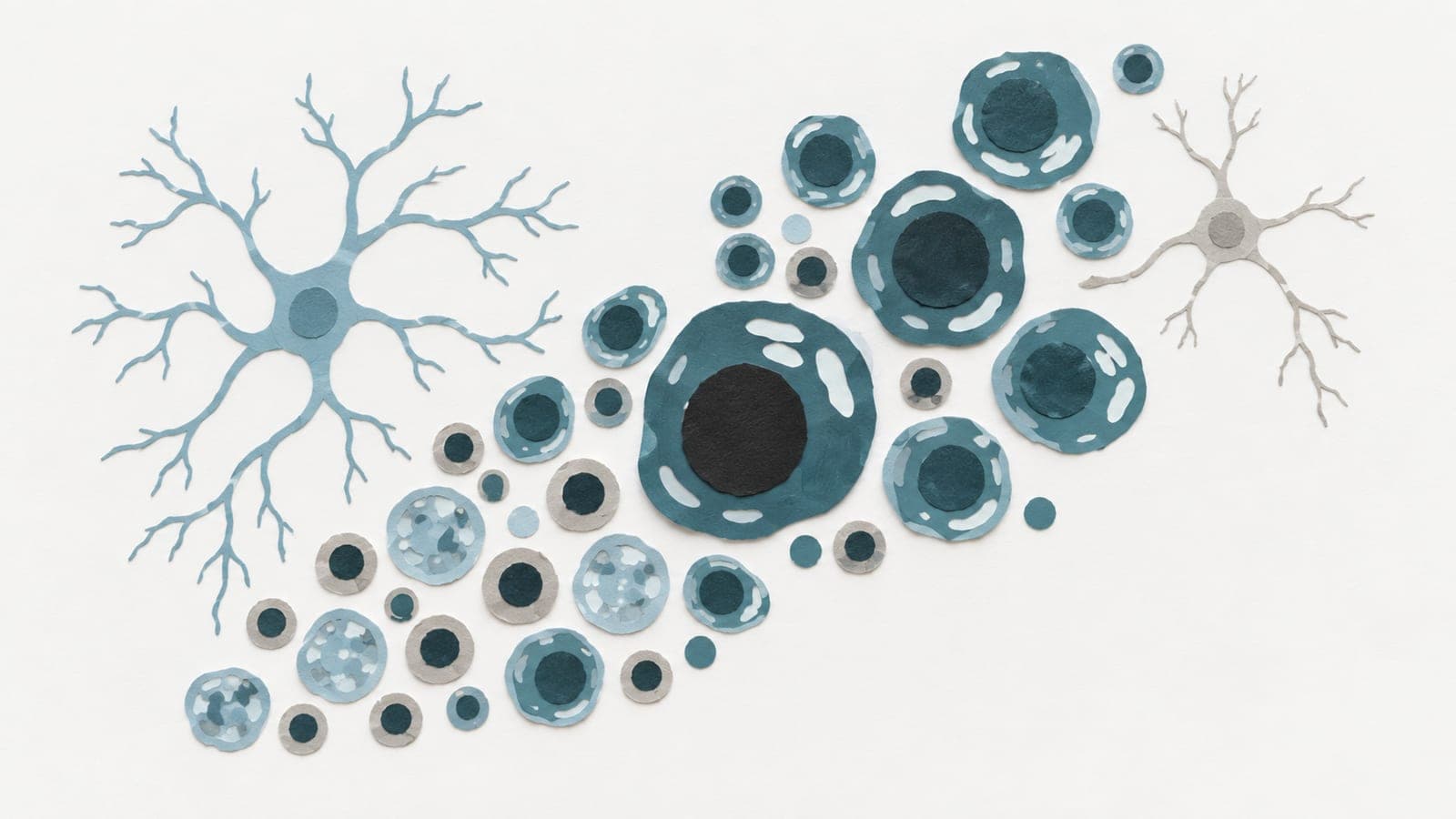
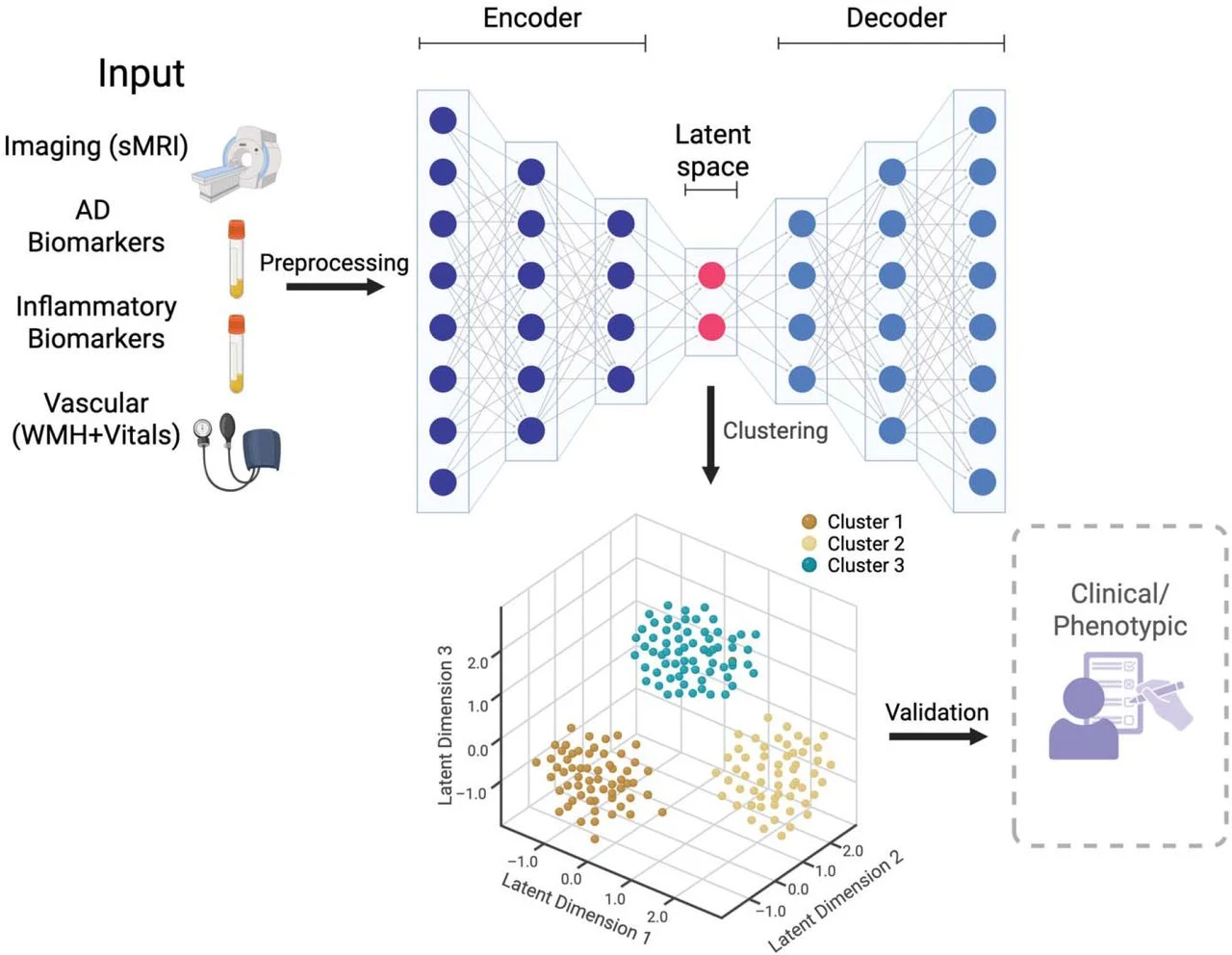
Cognitively normal older adults are often regarded as a homogeneous population in preventive and disease-modifying clinical trials for dementia. However, longer-term cognitive aging outcomes vary substantially in this population, and this variability remains poorly understood. Here, we leveraged rich multimodal, multi-domain biomarker profiles from a large prospective cohort (N=1,136), and Deep Embedded Clustering, to cluster cognitively normal older adults into biologically distinct subgroups. Input data included cortical thickness derived from MRI, plasma Alzheimers disease (AD) biomarkers, plasma inflammatory biomarkers, and vascular measures. The deep clustering algorithm identified three biologically distinct subgroups within the sample, stratified along a gradient of neurobiological burden (low, intermediate, and high). Cortical thinning and inflammatory burden were the primary drivers of clustering assignments. The High-Burden subgroup showed significantly worse memory and executive function, elevated cardiometabolic comorbidity, and markedly higher rates of conversion to mild cognitive impairment or dementia within two years. The results were validated in an independent external sample. The study reveals marked variability among individuals who are otherwise all defined as cognitively normal, and provides a data-driven stratification framework for enriching disease-modifying and preventive trials by identifying cognitively normal individuals at high risk for future cognitive decline.
The paper
University of North Carolina at Chapel Hill
medRxiv, 19 Aug 2026, Open access, Preprint, not peer-reviewed