Loss of body-clock protein linked to more artery plaques in mice
Experiments linked deletion of a body-clock protein in brown fat cells to greater plaque formation in aging and young mice genetically prone to artery disease.
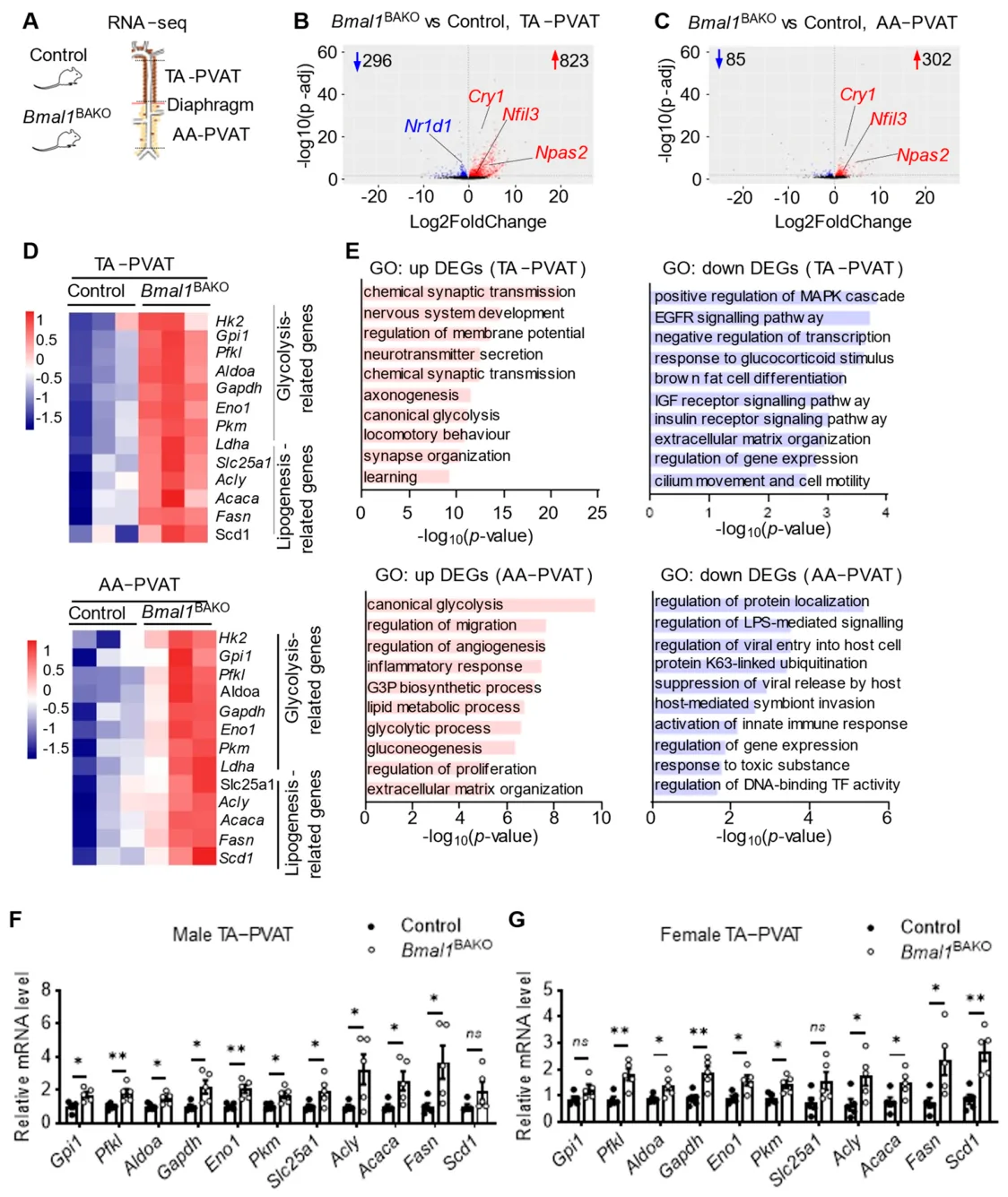
In mouse experiments, researchers deleted BMAL1, a protein that helps regulate daily rhythms, specifically in brown fat cells, which produce heat. They also studied mice genetically prone to atherosclerosis, the build-up of plaques in arteries.
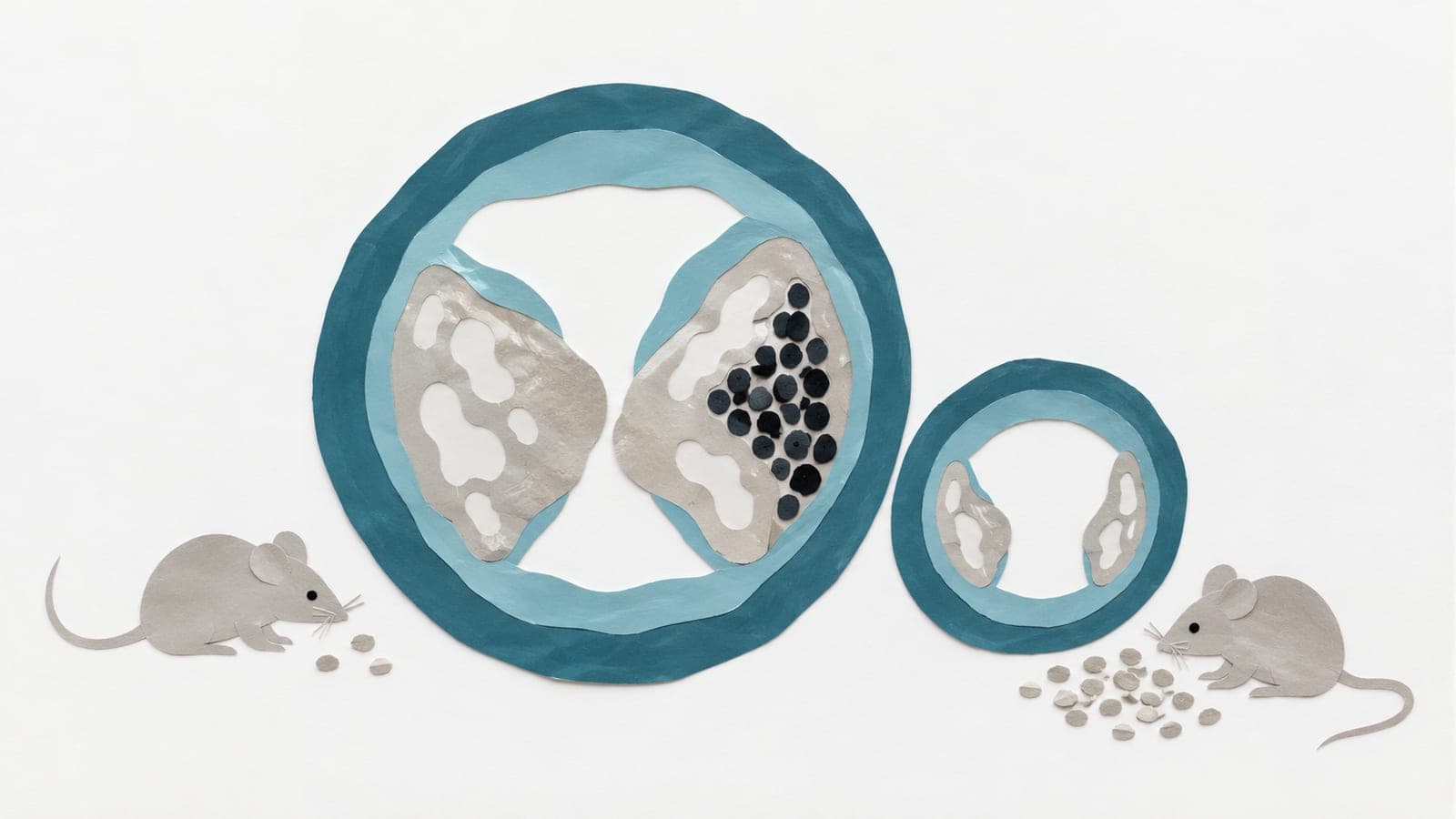
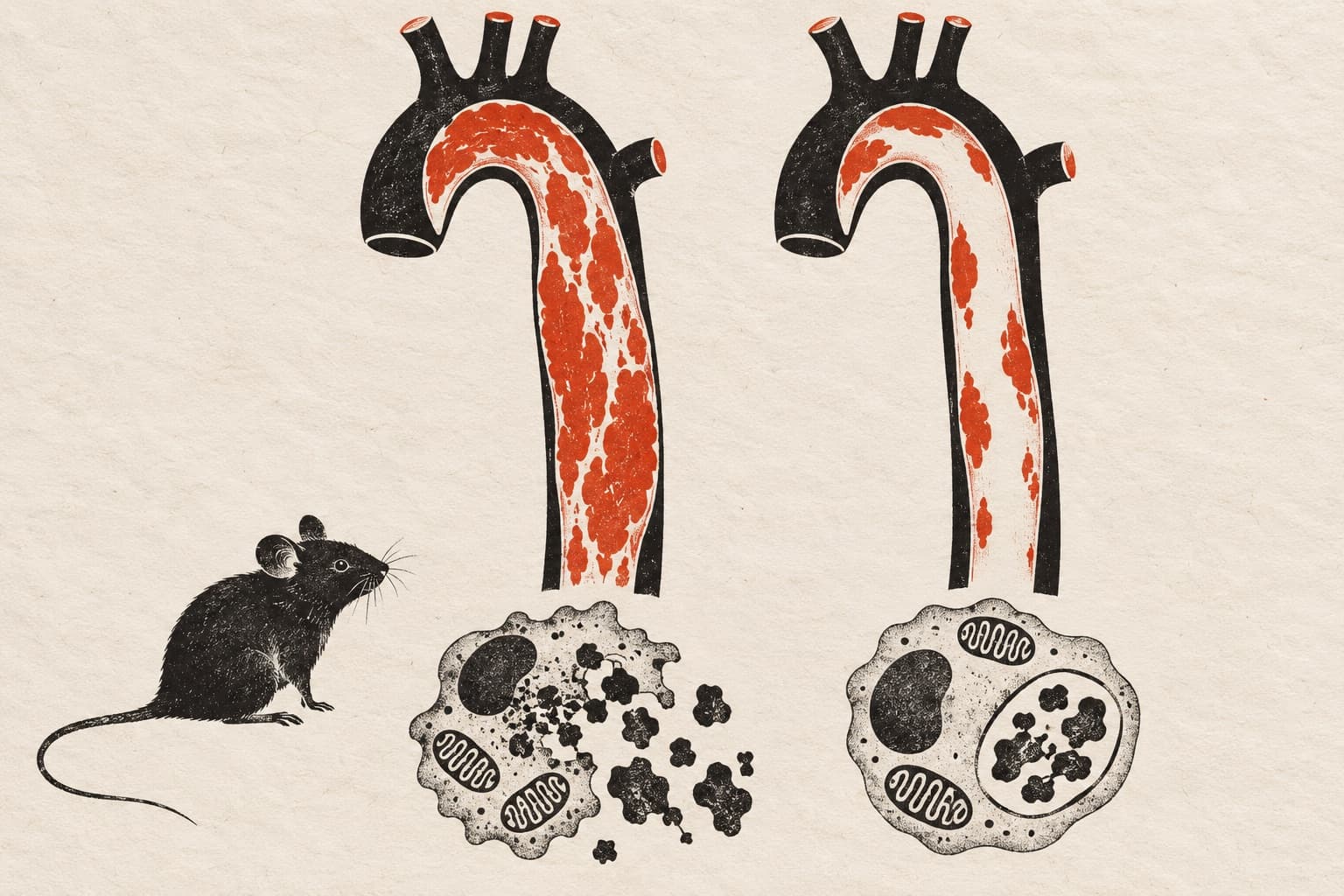
Deleting BMAL1 in brown fat cells worsened plaque formation in aging, chow-fed mice and young mice fed a Western diet. Both groups were genetically prone to atherosclerosis. These effects occurred without major changes in the balance between energy intake and use. Fat surrounding the aorta, the body's main artery, showed greater activity of genes involved in breaking down sugar and making fats. Genes linked to heat production and blood vessel function became less active. This fat also contained larger fat droplets and more macrophages, immune cells involved in inflammation.
Why it matters
The aging-mouse experiments bear on whether metabolism in fat around arteries links the body clock to age-related artery disease.
Caveats
These mouse experiments used an engineered gene deletion, including in animals genetically prone to artery disease. They do not establish whether the same link occurs in people.