Suppressing a stem cell enzyme improved cognition in aging mice
Experiments in aged mice found that suppressing a brain stem cell enzyme restored the function of circuits that restrain nerve cell activity.
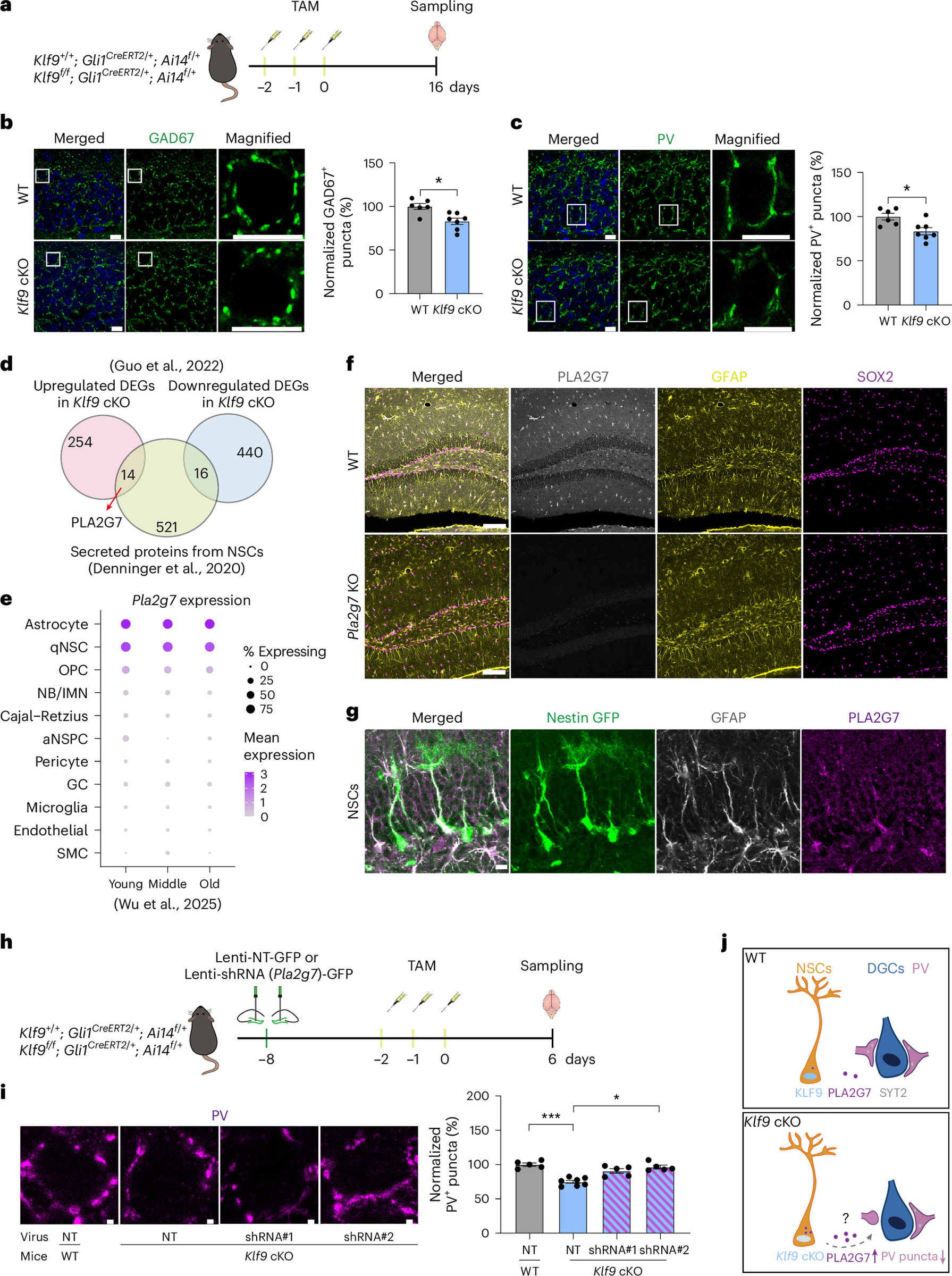
In experiments in aged mice, researchers suppressed PLA2G7, a fat-processing enzyme released by neural stem cells. These cells can make new nerve cells and persist in the adult hippocampus, a brain region involved in memory. Suppressing the enzyme restored the function of inhibitory circuits, which help restrain nerve cell activity. It partly normalised an imbalance in circuit activity and improved cognition.
In mice, deleting the gene for this enzyme in neural stem cells also enhanced inhibitory inputs to cells in the dentate gyrus, part of the hippocampus. The findings identified a way these stem cells influence brain circuits beyond producing new neurons.
Why it matters
Age-related cognitive decline is associated with changes in signals that restrain nerve cell activity. The findings suggest PLA2G7 as a target for supporting cognitive function during aging.
Caveats
These experiments were in mice, not people, and do not show whether suppressing the enzyme would benefit human cognition.
- Phosphatidylcholine
- PLA2G7
- Lipid and ceramide metabolism
- Age-related cognitive decline
- Phospholipid composition
- Mice
The paper
Southern Medical University
Nature Aging, 14 Oct 2026