Spinal fluid proteins linked to Alzheimer’s markers
An observational study of older adults at elevated familial risk linked spinal fluid proteins to a rising Alzheimer’s marker over up to 12 years.
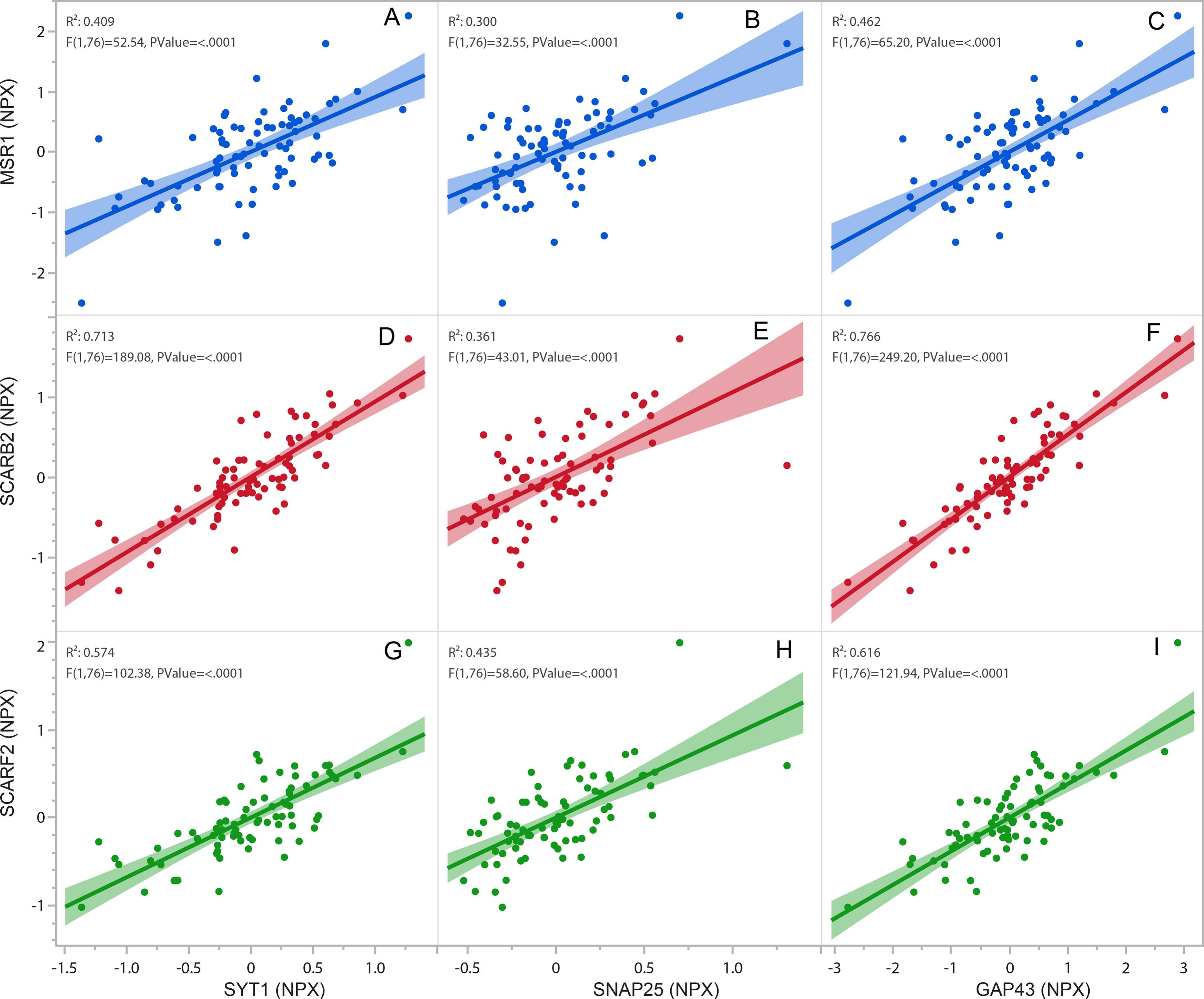
In older adults without cognitive impairment and with elevated familial risk of Alzheimer’s disease, researchers examined three scavenger receptors in fluid surrounding the brain and spinal cord. These receptors are proteins that help cells recognise and take up substances. The observational study used samples from the PREVENT-AD cohort.
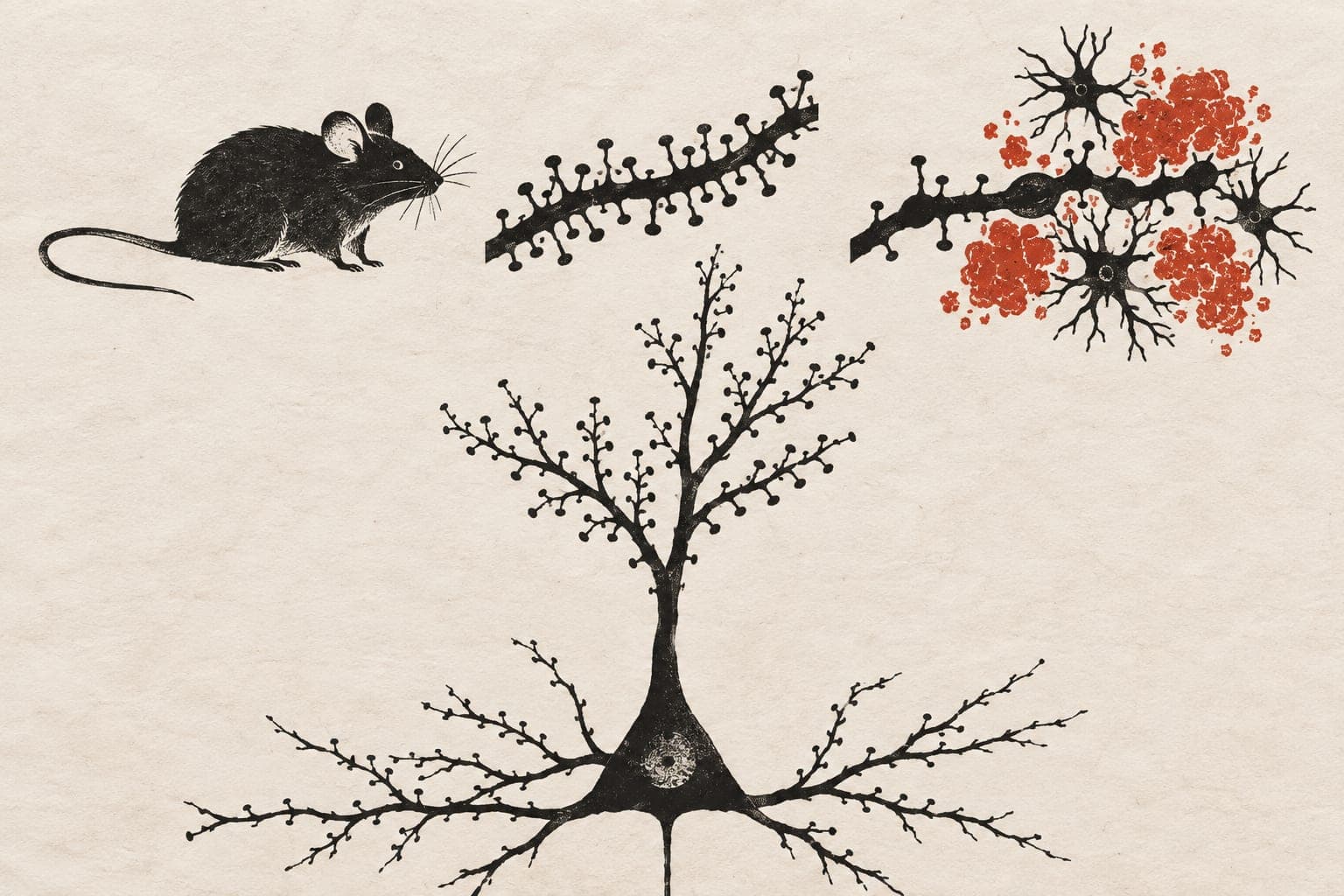
Higher receptor levels were linked to markers of synapses, the connections between nerve cells. SCARB2, one of the receptors, had the strongest relationships. Associations with markers of tau, a protein that supports nerve-cell structure, were consistently stronger than those with amyloid-beta, a protein fragment. Receptor levels at the start were also linked to increases in a tau marker over up to 12 years.
Why it matters
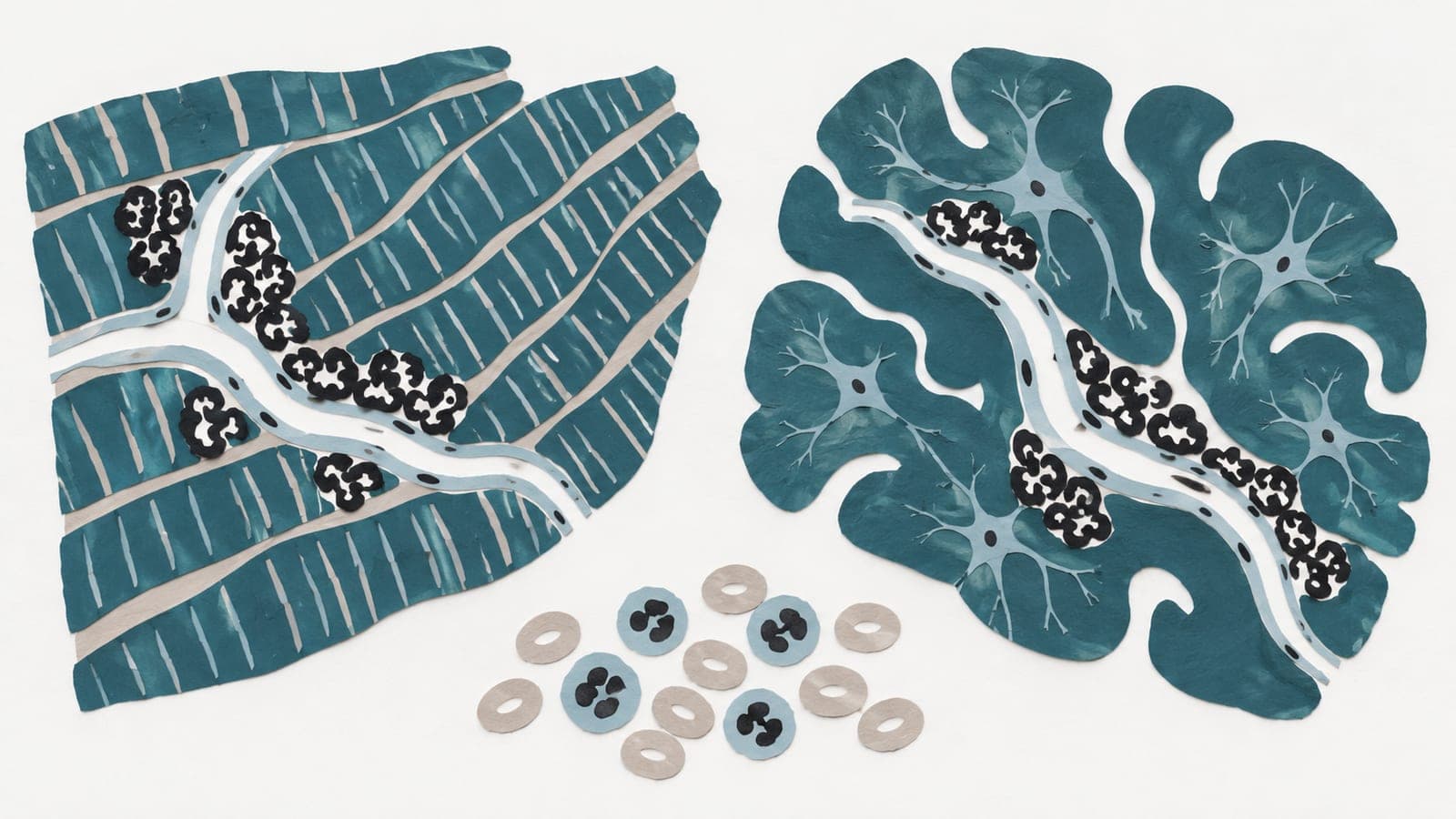
The work raises a question about early Alzheimer’s disease: whether these receptors may connect how cells handle fats with immune activity and vulnerability at nerve-cell connections.
Caveats
The observational design cannot establish whether these receptors cause changes in disease markers or nerve-cell connections. The cohort comprised older adults without cognitive impairment who had elevated familial risk.
- Extracellular matrix remodelling
- Immune response
- Lipid and ceramide metabolism
- Alzheimer's disease
- SCARB2
- Humans
The paper
Douglas Mental Health University Institute
Neurobiology of Disease, 9 Oct 2026