DNA methods appear complementary in human cells and tissues
Benchmarks using human cell lines and donor tissues produced data for nine samples and suggested that three DNA analysis approaches offer complementary information.
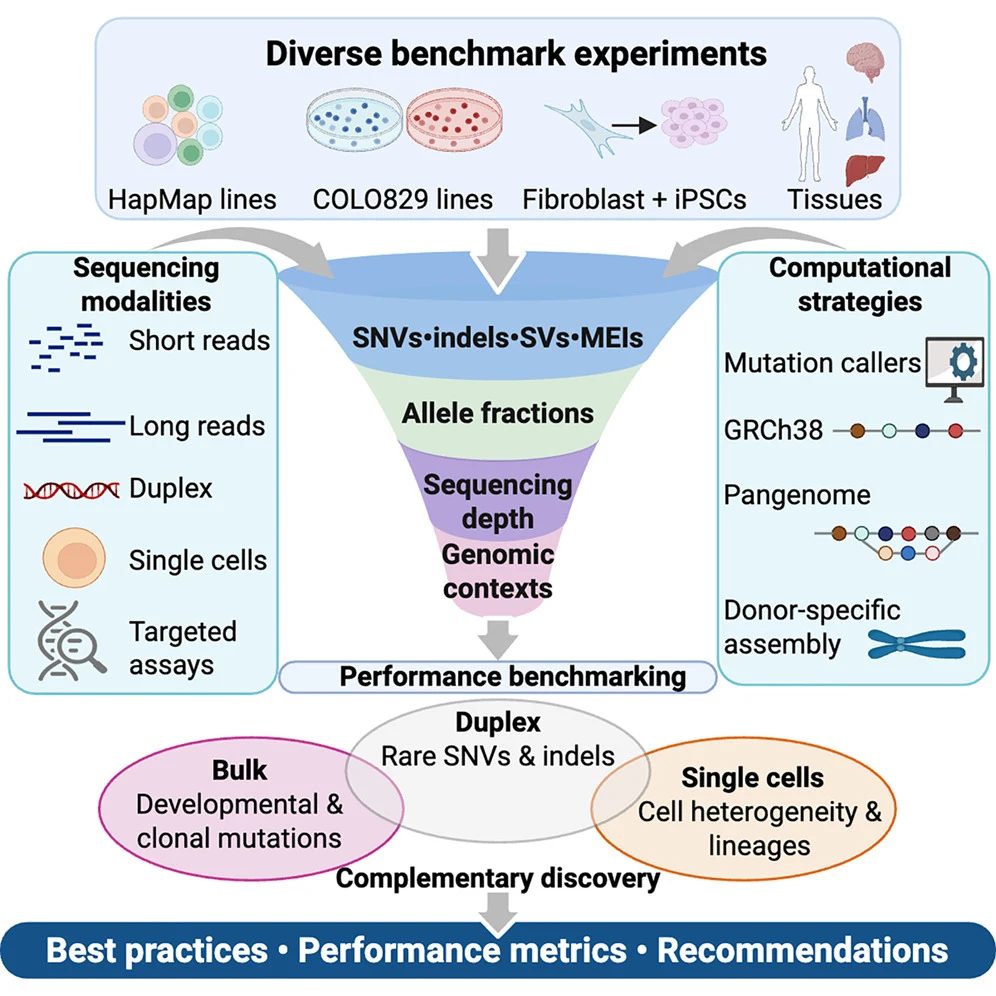
In human cell lines—cells maintained in the lab—and donor tissues, researchers ran benchmarking experiments to compare methods for detecting somatic mutations, DNA changes acquired by individual cells. They generated extensive DNA sequencing data, which record the order of DNA’s building blocks, for nine analysed samples.
The team compared six duplex technologies, which check both strands of DNA. Sequencing individual cells distinguished mutation patterns between cell types and variation among cells. The results indicated that single-cell sequencing, duplex methods and bulk sequencing, which analyses DNA from many cells together, complemented one another. Combining all three offered a comprehensive picture of DNA differences among cells within tissues.
Why it matters
Somatic mosaicism, genetic differences among cells in the same person, is increasingly recognised as a fundamental feature of human biology. The findings provide researchers and clinicians with a roadmap for analysing these differences across the genome.
Caveats
These experiments benchmarked measurement methods, rather than testing links between mutations and aging or health outcomes. The data resources covered nine analysed samples from cell lines and donor tissues.