Combining DNA data finds more candidate variants in human brains
The analysis expanded candidates supported by multiple methods by approximately two orders of magnitude compared with overlap between software-generated lists of DNA variants.
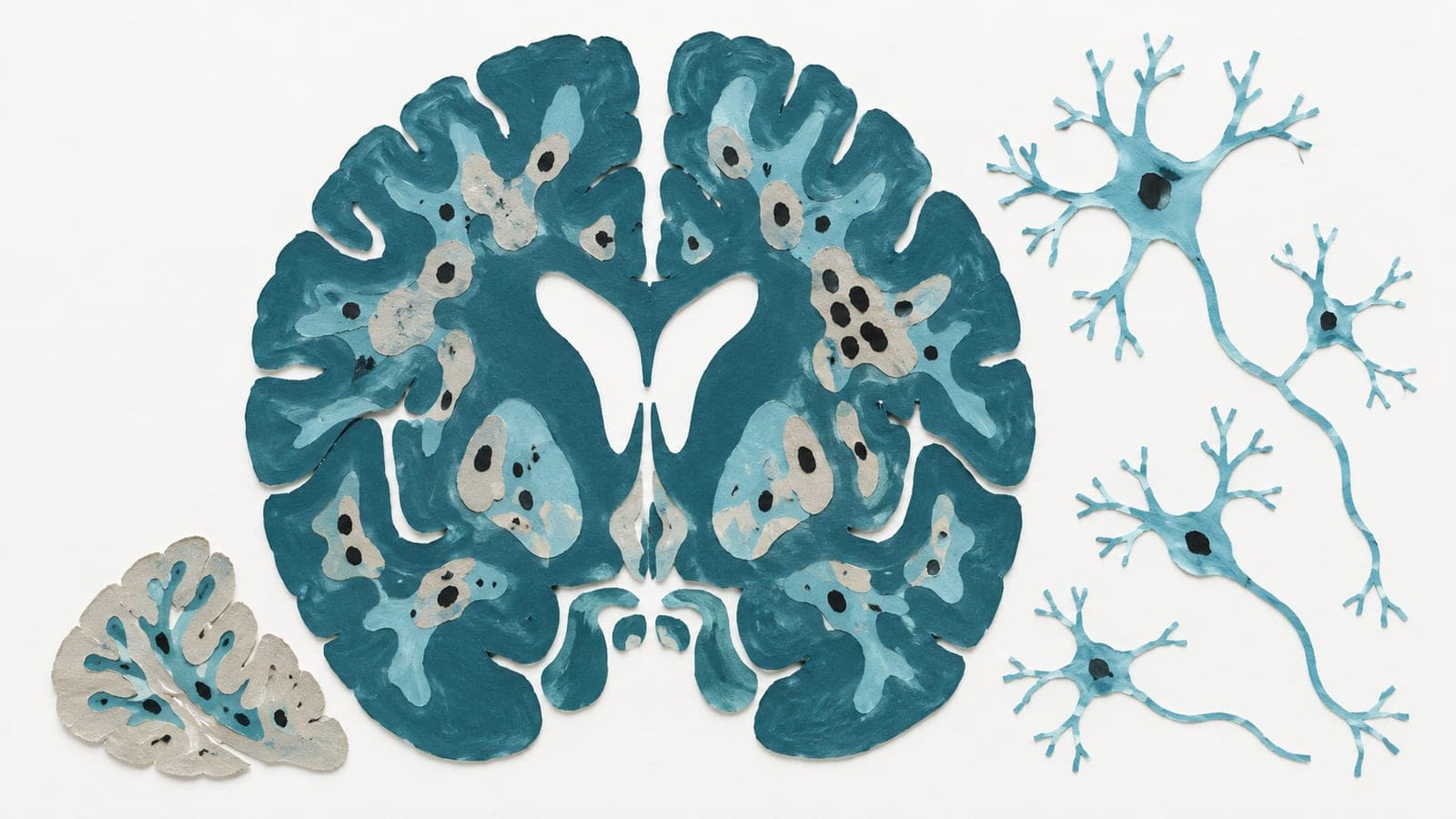
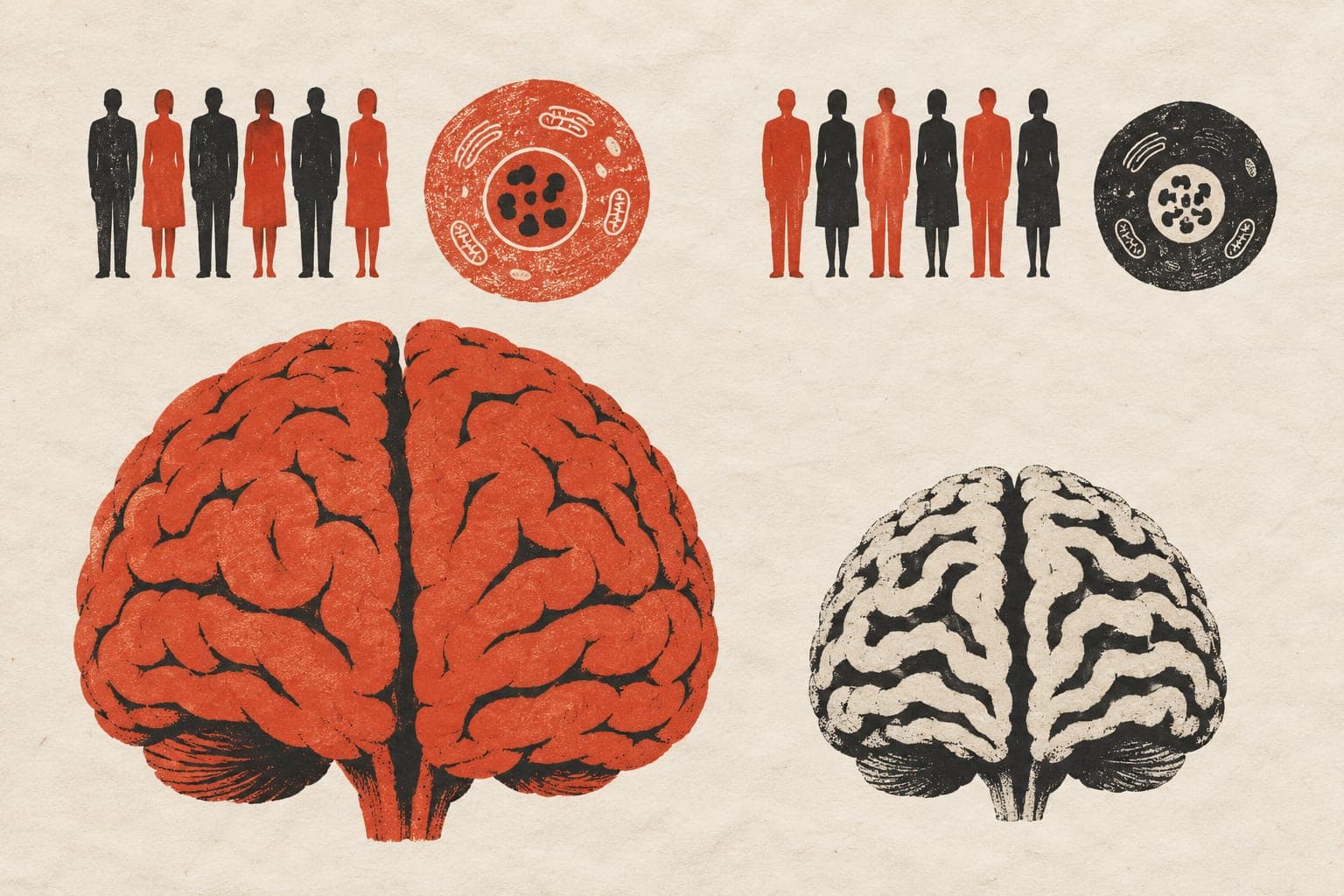
An observational study of matched human brain tissue compared four DNA-sequencing methods alongside sequencing of mixed-cell samples and individual neurons, the brain’s nerve cells. Researchers looked for mosaic variants: DNA differences present in some cells but not others.
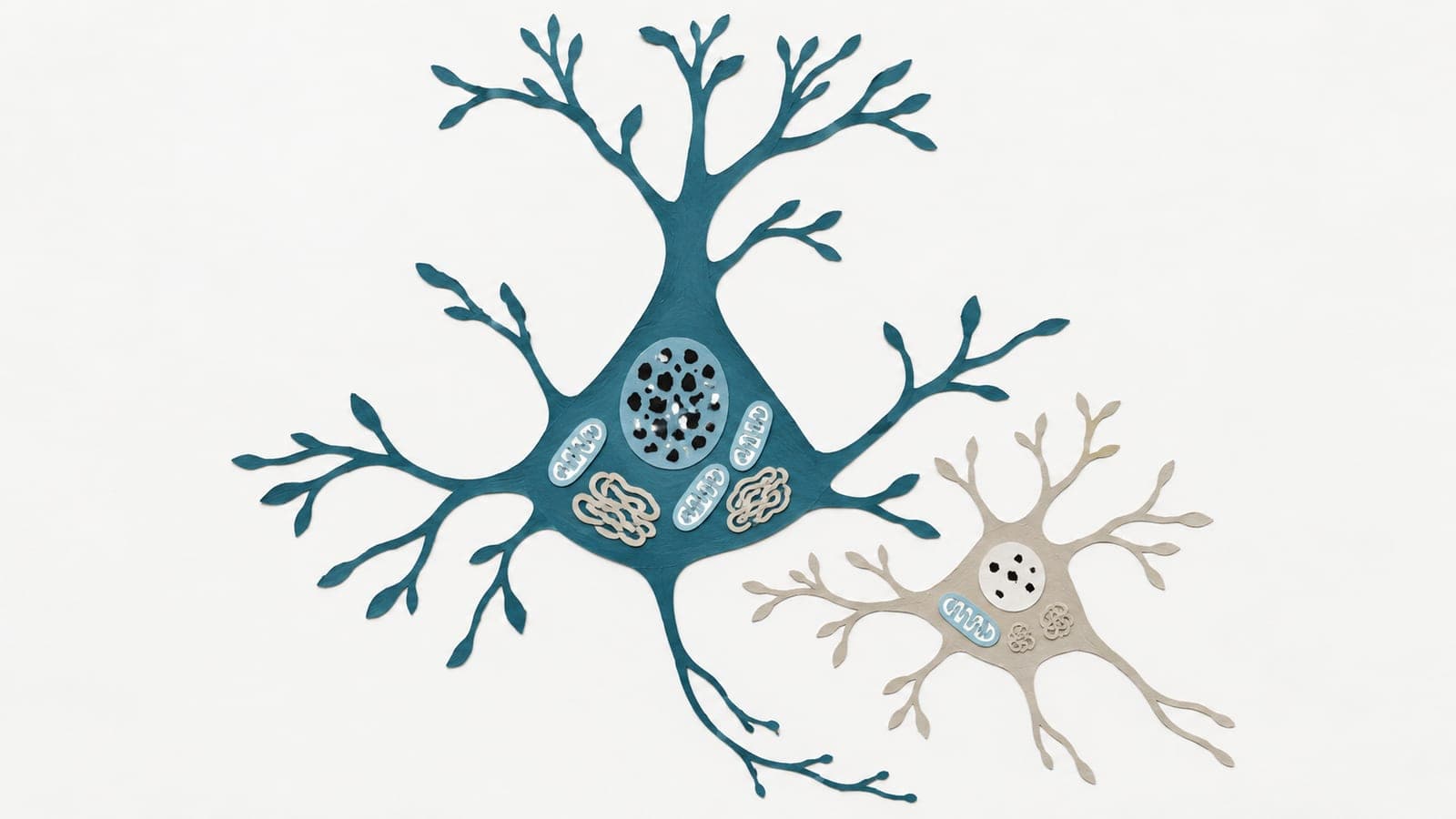
The methods recovered different variants, and their software-generated lists showed limited agreement. Comparing the underlying DNA readings revealed much greater support across methods. The team developed an analysis to collect this evidence, expanding the pool of candidates supported by multiple methods. Independent sequencing across brain and tissues outside the brain validated approximately half of the tested rescued candidates. Variants recovered from one brain region distinguished groups of cells sharing an origin that were broadly distributed or regionally restricted. They also provided information about lineage relationships among individual neurons.
Why it matters
DNA differences that trace cell ancestry offer markers for investigating how populations of related cells change during human aging and disease.
Caveats
This observational methods comparison did not test aging outcomes. The paper is a preprint and has not been peer-reviewed.
The paper
Benchmarked sequencing methods reveal hidden mosaic variation in the human brain
University of California San Diego
bioRxiv, 13 Oct 2026, CC BY, Preprint, not peer-reviewed